
Loft Conversion Drawings
AC Design Solution provides loft conversion drawings and architectural design services for homeowners across the UK. Our work is delivered by MCIAT-qualified architectural designers with a 98% first-submission approval rate. Whether you need planning permission or your roof conversion falls under permitted development, our loft conversion plans and drawings are ready in 5–10 days. If your property is terraced or semi-detached, you will also need a party wall agreement for loft conversions before work begins.
loft conversion drawings
All time
Established
Trusted since
Qualified
Professionally accredited
BC Submission Included
No hidden costs
Loft Conversion Drawing Costs for Homeowners
Turning your loft conversion planning drawings into building regs plans is simple with AC Design Solution. Every package is fixed price with no hidden costs. We include submission management for council approval, MCIAT-qualified architectural drawings, delivery within 5–10 days, loft conversion specification and construction notes, plus help with your lawful development certificate or certificate of lawfulness.
DORMER ONLY
” _builder_version=”4.27.6″ _module_preset=”default” default_font=”Poppins|800|||||||” default_text_align=”center” default_text_color=”#555555″ default_font_size=”26px” suffix_font=”Poppins|300|||||||” suffix_text_color=”#440099″ custom_margin=”||10px||false|false” custom_padding=”||||false|false” global_colors_info=”{}”][/dipi_pricing_table_item][dipi_pricing_table_item admin_label=”Subtitle” text_content=”
FROM
” _builder_version=”4.27.4″ _module_preset=”default” default_font=”Poppins|300|||||||” default_text_align=”center” default_text_color=”#15022A” default_font_size=”14px” default_line_height=”1em” global_colors_info=”{}”][/dipi_pricing_table_item][dipi_pricing_table_item item_type=”Price” price=”500″ price_prefix=”£” price_suffix=” ” price_suffix_placement=”middle” _builder_version=”4.27.4″ _module_preset=”default” default_font=”|700|||||||” default_text_color=”#000000″ default_font_size=”60px” prefix_font=”|300|||||||” prefix_text_color=”#15022A” prefix_font_size=”16px” prefix_letter_spacing=”0px” suffix_font=”|300|||||||” suffix_text_color=”#15022A” suffix_font_size=”14px” suffix_line_height=”2.1em” custom_padding=”||20px|20px|false|false” border_width_bottom=”1px” border_color_bottom=”rgba(21,2,42,0.1)” global_colors_info=”{}”][/dipi_pricing_table_item][dipi_pricing_table_item text_content=”
Site visit to do a measure survey, scan to BIM, existing and proposed plans and submission for lawful development certificate for dormer only.
” _builder_version=”4.27.4″ _module_preset=”default” default_font=”Poppins|300|||||||” default_text_align=”center” default_font_size=”14px” custom_padding=”|30px||30px|false|false” global_colors_info=”{}”][/dipi_pricing_table_item][dipi_pricing_table_item item_type=”Button” button_text=”GET FREE QUOTE” button_url=”https://acdesignsolution.com/architectural-services/loft-conversions/#contact-form” button_url_new_window=”1″ _builder_version=”4.27.4″ _module_preset=”default” background_color=”RGBA(255,255,255,0)” background_enable_color=”on” custom_button=”on” button_text_size=”14px” button_text_color=”#FFFFFF” button_bg_color=”#f36150″ button_border_width=”0px” button_border_color=”#f36150″ button_border_radius=”35px” button_font=”|600|||||||” button_use_icon=”off” button_alignment=”center” button_custom_margin=”||||false|false” button_custom_padding=”15px|40px|15px|40px|false|false” custom_margin=”40px||||false|false” global_colors_info=”{}”][/dipi_pricing_table_item][/dipi_pricing_table]
HIP TO GABLE
” _builder_version=”4.27.6″ _module_preset=”default” default_font=”Poppins|800|||||||” default_text_align=”center” default_text_color=”#15022A” default_font_size=”26px” suffix_font=”Poppins|300|||||||” suffix_text_color=”#440099″ custom_margin=”||10px||false|false” custom_padding=”||||false|false” global_colors_info=”{}”][/dipi_pricing_table_item][dipi_pricing_table_item admin_label=”Subtitle” text_content=”
FROM
” _builder_version=”4.27.4″ _module_preset=”default” default_font=”Poppins|300|||||||” default_text_align=”center” default_text_color=”#15022A” default_font_size=”14px” default_line_height=”1em” global_colors_info=”{}”][/dipi_pricing_table_item][dipi_pricing_table_item item_type=”Price” price=”800″ price_prefix=”£” _builder_version=”4.27.4″ _module_preset=”default” default_font=”|700|||||||” default_text_color=”#ffffff” default_font_size=”60px” prefix_font=”|300|||||||” prefix_text_color=”#ffffff” prefix_font_size=”16px” prefix_letter_spacing=”0px” suffix_font=”|300|||||||” suffix_text_color=”#15022A” suffix_font_size=”14px” suffix_line_height=”2.1em” custom_padding=”||20px|20px|false|false” border_width_bottom=”1px” border_color_bottom=”rgba(21,2,42,0.1)” global_colors_info=”{}”][/dipi_pricing_table_item][dipi_pricing_table_item text_content=”
Site visit to do a measure survey,
Scan to BIM
existing and proposed plans and submission for lawful development certificate.
” _builder_version=”4.27.4″ _module_preset=”default” default_font=”Poppins|300|||||||” default_text_align=”center” default_font_size=”14px” custom_padding=”|30px||30px|false|false” global_colors_info=”{}”][/dipi_pricing_table_item][dipi_pricing_table_item item_type=”Button” button_text=”GET FREE QUOTE” button_url=”https://acdesignsolution.com/architectural-services/loft-conversions/#contact-form” button_url_new_window=”1″ _builder_version=”4.27.4″ _module_preset=”default” custom_button=”on” button_text_size=”14px” button_text_color=”#f36150″ button_bg_color=”#fbf4eb” button_border_width=”0px” button_border_color=”#440099″ button_border_radius=”30px” button_font=”||||||||” button_use_icon=”off” button_alignment=”center” button_custom_margin=”||||false|false” button_custom_padding=”15px|40px|15px|40px|false|false” custom_margin=”40px||||false|false” global_colors_info=”{}”][/dipi_pricing_table_item][/dipi_pricing_table]
DOUBLE DORMER
” _builder_version=”4.27.6″ _module_preset=”default” default_font=”Poppins|800|||||||” default_text_align=”center” default_text_color=”#555555″ default_font_size=”26px” suffix_font=”Poppins|300|||||||” suffix_text_color=”#440099″ custom_margin=”||10px||false|false” custom_padding=”||||false|false” global_colors_info=”{}”][/dipi_pricing_table_item][dipi_pricing_table_item admin_label=”Subtitle” text_content=”
FROM
” _builder_version=”4.27.4″ _module_preset=”default” default_font=”Poppins|300|||||||” default_text_align=”center” default_text_color=”#15022A” default_font_size=”14px” default_line_height=”1em” global_colors_info=”{}”][/dipi_pricing_table_item][dipi_pricing_table_item item_type=”Price” price=”1100″ price_prefix=”£” price_suffix=” ” price_suffix_placement=”middle” _builder_version=”4.27.4″ _module_preset=”default” default_font=”|700|||||||” default_text_color=”#000000″ default_font_size=”60px” prefix_font=”|300|||||||” prefix_text_color=”#15022A” prefix_font_size=”16px” prefix_letter_spacing=”0px” suffix_font=”|300|||||||” suffix_text_color=”#15022A” suffix_font_size=”14px” suffix_line_height=”2.1em” custom_padding=”||20px|20px|false|false” border_width_bottom=”1px” border_color_bottom=”rgba(21,2,42,0.1)” global_colors_info=”{}”][/dipi_pricing_table_item][dipi_pricing_table_item text_content=”
Site visit to do a measure survey, scan to BIM, existing and proposed plans and submission for lawful development certificate. To include a double dormer
” _builder_version=”4.27.4″ _module_preset=”default” default_font=”Poppins|300|||||||” default_text_align=”center” default_font_size=”14px” custom_padding=”|30px||30px|false|false” global_colors_info=”{}”][/dipi_pricing_table_item][dipi_pricing_table_item item_type=”Button” button_text=”GET FREE QUOTE” button_url=”https://acdesignsolution.com/architectural-services/loft-conversions/#contact-form” button_url_new_window=”1″ _builder_version=”4.27.4″ _module_preset=”default” background_color=”RGBA(255,255,255,0)” background_enable_color=”on” custom_button=”on” button_text_size=”14px” button_text_color=”#FFFFFF” button_bg_color=”#f36150″ button_border_width=”0px” button_border_color=”#f36150″ button_border_radius=”35px” button_font=”|600|||||||” button_use_icon=”off” button_alignment=”center” button_custom_margin=”||||false|false” button_custom_padding=”15px|40px|15px|40px|false|false” custom_margin=”40px||||false|false” global_colors_info=”{}”][/dipi_pricing_table_item][/dipi_pricing_table]
LOFT UNDER PLANNING
” _builder_version=”4.27.6″ _module_preset=”default” default_font=”Poppins|800|||||||” default_text_align=”center” default_text_color=”#555555″ default_font_size=”26px” suffix_font=”Poppins|300|||||||” suffix_text_color=”#440099″ custom_margin=”||10px||false|false” custom_padding=”||||false|false” global_colors_info=”{}”][/dipi_pricing_table_item][dipi_pricing_table_item admin_label=”Subtitle” text_content=”
INDIVIDUAL
” _builder_version=”4.27.6″ _module_preset=”default” default_font=”Poppins|300|||||||” default_text_align=”center” default_text_color=”#15022A” default_font_size=”14px” default_line_height=”1em” global_colors_info=”{}”][/dipi_pricing_table_item][dipi_pricing_table_item item_type=”Price” price=”Quote” price_suffix=” ” price_suffix_placement=”middle” _builder_version=”4.27.4″ _module_preset=”default” default_font=”|700|||||||” default_text_color=”#000000″ default_font_size=”60px” prefix_font=”|300|||||||” prefix_text_color=”#15022A” prefix_font_size=”16px” prefix_letter_spacing=”0px” suffix_font=”|300|||||||” suffix_text_color=”#15022A” suffix_font_size=”14px” suffix_line_height=”2.1em” custom_padding=”||20px|20px|false|false” border_width_bottom=”1px” border_color_bottom=”rgba(21,2,42,0.1)” global_colors_info=”{}”][/dipi_pricing_table_item][dipi_pricing_table_item text_content=”
Site survey to do a measured survey, Planning and D&A statement, existing and proposed plans and submission to the local council
” _builder_version=”4.27.6″ _module_preset=”default” default_font=”Poppins|300|||||||” default_text_align=”center” default_font_size=”14px” custom_padding=”|30px||30px|false|false” global_colors_info=”{}”][/dipi_pricing_table_item][dipi_pricing_table_item item_type=”Button” button_text=”GET FREE QUOTE” button_url=”https://acdesignsolution.com/architectural-services/loft-conversions/#contact-form” button_url_new_window=”1″ _builder_version=”4.27.4″ _module_preset=”default” background_color=”RGBA(255,255,255,0)” background_enable_color=”on” custom_button=”on” button_text_size=”14px” button_text_color=”#FFFFFF” button_bg_color=”#f36150″ button_border_width=”0px” button_border_color=”#f36150″ button_border_radius=”35px” button_font=”|600|||||||” button_use_icon=”off” button_alignment=”center” button_custom_margin=”||||false|false” button_custom_padding=”15px|40px|15px|40px|false|false” custom_margin=”40px||||false|false” global_colors_info=”{}”][/dipi_pricing_table_item][/dipi_pricing_table]
What drawings do you need for a loft conversion?
drawings
drawings
calculations

Planning drawings
Planning drawings are submitted to your local council for a lawful development certificate or full planning permission application. They show existing and proposed floor plans, elevations and roof plans drawn to your council's submission standards. The plans confirm the best layout for your new room and how it sits within the existing roof.
A lawful development certificate gives written confirmation that the proposed loft conversion is lawful. This can help protect you when selling the property. You can check whether planning permission may be needed using the UK Government guidance on the Planning Portal.
Loft conversion building regulations drawings
Loft conversion building regulations drawings are detailed technical drawings showing how the conversion will meet building standards. They can include section drawings, structural details, insulation build-ups, fire safety information, ventilation notes, staircase details, escape window positions and construction specifications for your builder.
Building regulations approval is required when converting a loft or attic into a habitable space such as a loft bedroom, suite or home office.


Structural calculations
Structural calculations are prepared by a structural engineer. They confirm that steel beams, modified rafters, timber floor joists and load paths through the existing roof structure are sound. This is the engineering for loft conversions side of the project, and it covers loft conversion structural design, span checks for new joists, and any structural alterations needed to strengthen the existing roof.
Adequate head height is also checked at survey stage. This means the proposed layout can be designed to give you real, useful extra space.
AC Design Solution can coordinate all three as part of one clear drawing package. Planning, lawful development and building control submissions are managed by our team where required.
What's included in your loft conversion drawing package?
Measured survey
We begin with a measured survey of the property. This means the loft conversion drawings are based on accurate existing dimensions, roof form and structural layout.
Existing and proposed floor plans
Plans show the current layout and the proposed loft arrangement. This includes room positions, staircase location, doors, windows and usable floor space.
Roof plans and elevations
Drawings show how the roof will change on the outside. This covers dormers, rooflights, Velux windows, hip-to-gable alterations, mansard profiles or other visible changes. Adding windows in the right positions also brings in plenty of natural light.
Building regulation sections and notes
Technical sections and construction notes cover insulation build-ups, fire protection, staircase design, escape routes, ventilation and other key construction details. These notes confirm the loft is safe and habitable.
Structural coordination
We coordinate steel beams, new timber joists, altered rafters and other structural alterations needed to strengthen the existing roof. This makes the loft conversion safe and buildable, and avoids common structural issues such as undersized timber joists or weak floor spans.
Submission support
We can help prepare and submit the right package for lawful development, planning permission or building control. The path depends on what your project actually needs.
Ready to start your loft conversion drawings?
Get free quoteWhy choose AC Design Solution?
Clear drawings, fixed prices and professional support
A loft conversion can involve planning drawings, lawful development drawings, building regulation details, structural design input and council submissions. We bring those stages together. You are not left coordinating several different people yourself.
Our MCIAT-qualified team prepares accurate drawings for dormer, mansard, hip-to-gable and L-shaped loft conversions. We check the existing property, prepare the required plans, coordinate structural information where needed and help manage the submission process.
You get a clear fixed-price package, realistic timescales and drawings that your builder, structural engineer and building control officer can work from. Our wider architectural services also support homeowners who need planning, technical design or building regulation drawings for other residential projects.
Client Reviews for Loft Conversion Drawings
Don’t just take our word for it — hear from clients who trusted AC Design Solution with technical drawings, building control support and design services.
Still Have Questions? Contact Our Team
Whether you need planning drawings, building regulation drawings, or a lawful development certificate, our MCIAT-qualified team is here to help. We cover all London boroughs and across the UK — fixed prices from £500, delivered in 5–10 days.
Whether you’re wondering about timescales, costs, or what your local council needs, we’re happy to discuss your loft conversion project and give honest professional advice.
Recent Loft Conversion Drawing Projects
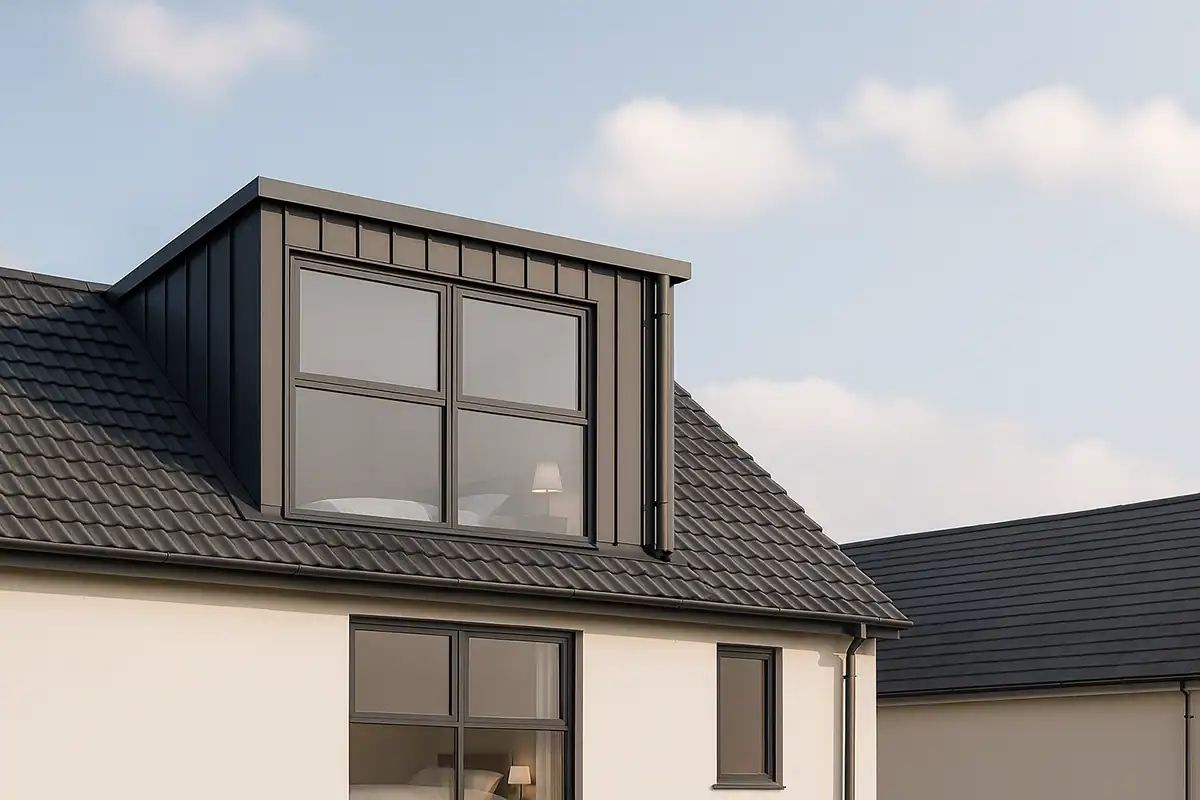
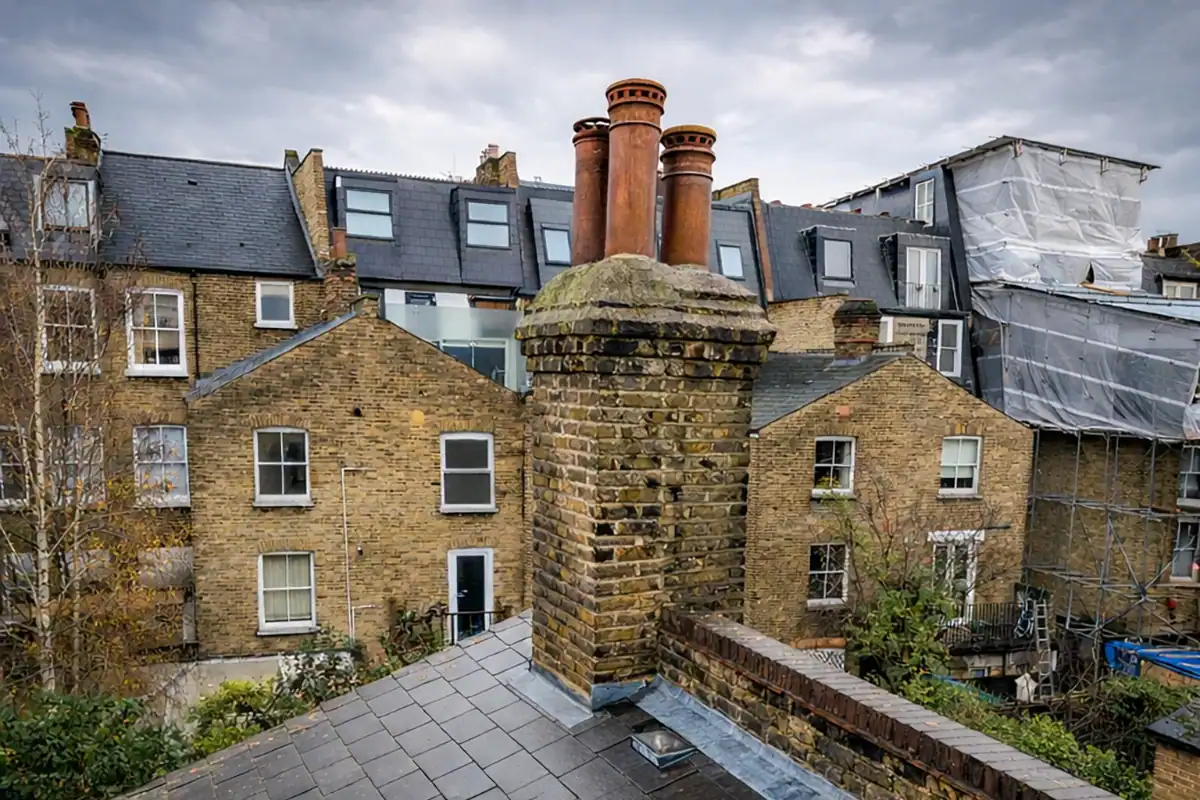
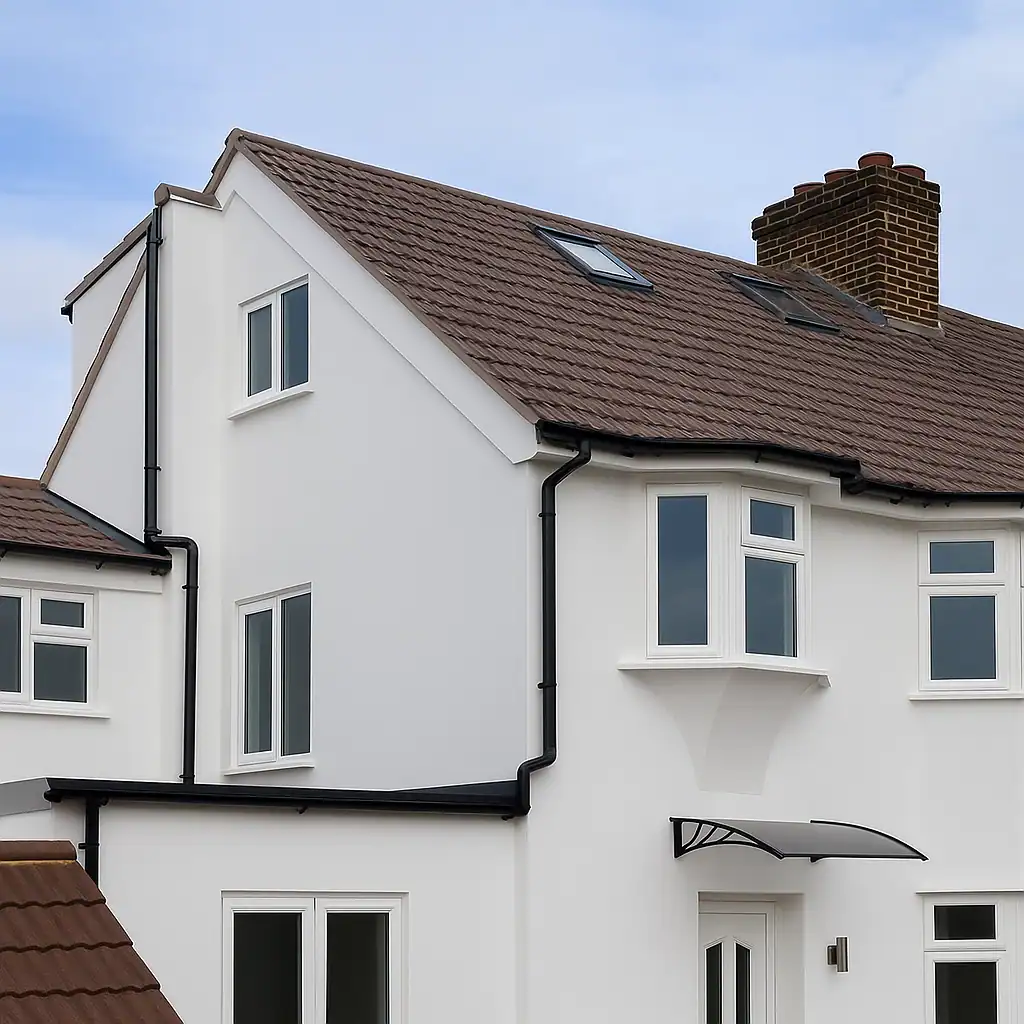
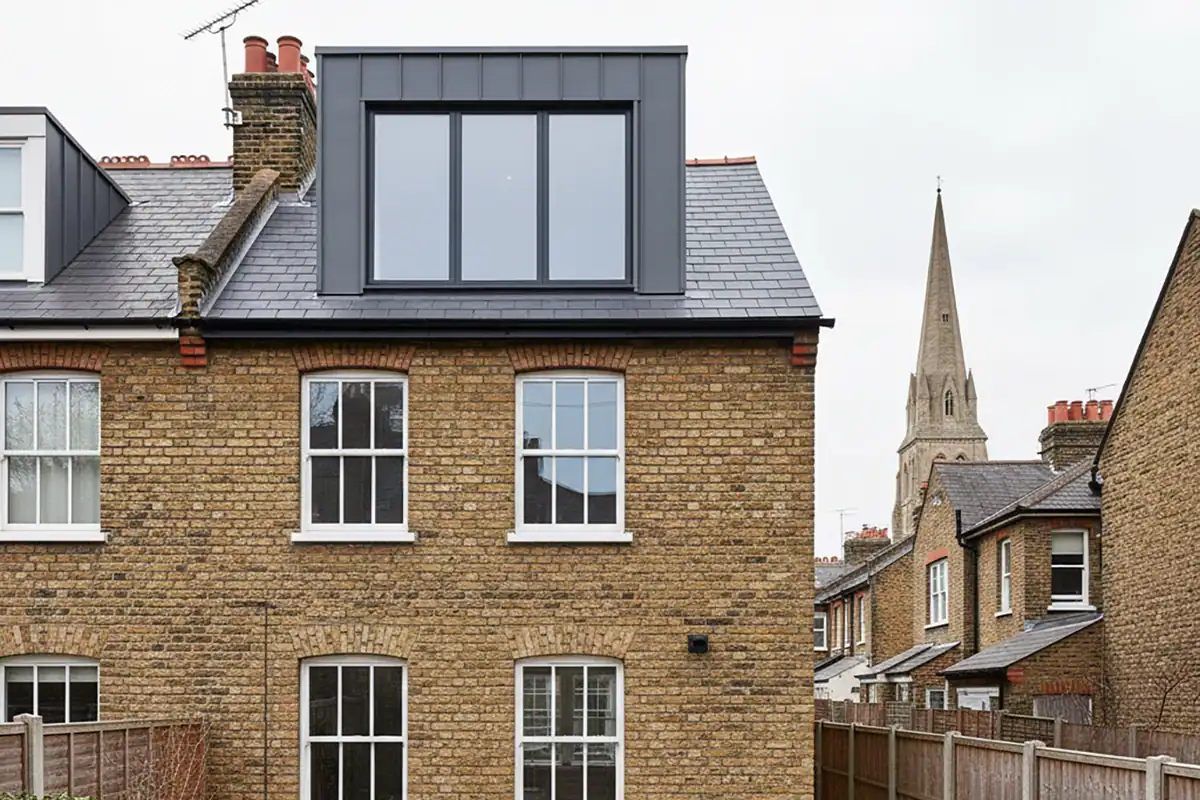
A selection of dormer, mansard, hip-to-gable, Velux and rooflight loft conversions delivered for homeowners across London and the Home Counties.





Ready to Convert Your Loft? Get Your Drawings Sorted Today
Talk to our MCIAT-qualified team about your loft conversion project. We cover all London boroughs and across the UK — fixed prices from £500, delivered in 5–10 days.
How long does a loft conversion actually take?
1–2 weeks
Survey & drawings
We survey your property and deliver your first set of drawings. Planning and lawful development drawings are included where needed.
4–8 weeks
Planning or LDC approval
Lawful development certificate applications typically take 4–6 weeks. Full planning permission applications take 8–10 weeks. We manage the submission.
4–12 weeks
Builder start
Builder availability varies. Most clients start on site 4–12 weeks after receiving approvals. Building regulations run alongside or after planning.
6–12 weeks
Build programme
Most loft conversions take 6–12 weeks on site. Mansard and L-shaped conversions typically take longer than dormer or rooflight projects.
The steps
Our Loft Conversion Drawings Process
Property Survey
We inspect your property within a week of booking. We check head height, the existing roof structure, and the roof pitch. This confirms what type of loft conversion is achievable. You will know early whether you need planning permission or whether the work falls under permitted development without planning permission being required.
[/dipi_timeline_item][dipi_timeline_item module_class=”faq-white” ribbon=”Step 2″ timeline_icon=”3||divi||400″ timeline_icon_color=”#696969″ ribbon_circle_color=”#f46150″ use_icon=”on” font_icon=”||fa||900″ icon_color=”#ffffff” icon_placement=”left” use_icon_font_size=”on” icon_font_size=”40px” card_padding=”40px|30px|40px|30px|true|false” child_animation=”none” icon_placement_tablet=”left” icon_placement_phone=”top” icon_placement_last_edited=”on|phone” card_padding_tablet=”40px|30px|40px|30px|true|false” card_padding_phone=”40px|20px|40px|20px|true|true” card_padding_last_edited=”on|phone” _builder_version=”4.27.6″ _module_preset=”default” header_level=”h3″ header_font=”|600|||||||” header_text_color=”#000000″ header_font_size=”20px” header_line_height=”1.4em” body_font=”|300|||||||” body_text_color=”#696969″ body_letter_spacing=”0.2px” body_line_height=”1.8em” ribbon_text_font=”|600|||||||” ribbon_text_text_color=”#f46150″ ribbon_text_font_size=”14px” background_color=”#f46150″ background_enable_color=”on” header_text_align_last_edited=”off|phone” header_font_size_tablet=”20px” header_font_size_phone=”16px” header_font_size_last_edited=”on|phone” body_text_align_last_edited=”off|phone” body_font_size_tablet=”” body_font_size_phone=”14px” body_font_size_last_edited=”on|phone” ribbon_text_text_align_tablet=”” ribbon_text_text_align_phone=”center” ribbon_text_text_align_last_edited=”on|phone” ribbon_text_font_size_tablet=”16px” ribbon_text_font_size_phone=”12px” ribbon_text_font_size_last_edited=”on|phone” border_radii=”on|10px|10px|10px|10px” box_shadow_style=”preset1″ box_shadow_blur=”35px” box_shadow_color=”rgba(89,49,180,0.1)” global_colors_info=”{}” ribbon_circle_color__hover_enabled=”on|hover” ribbon_circle_color__hover=”#f46150″ custom_css_timeline_item_ribbon_text_last_edited=”on|tablet” custom_css_timeline_item_ribbon_text_phone=”width: 100%;”]
Initial Design
We prepare concept layouts that maximise loft space and meet all structure and stair standards. We review headroom, insulation, and the best layout for your loft floor area. The aim is to create a functional living space that works for a loft bedroom, home office or guest suite. The architectural design is discussed with you before any drawings are finalised.
[/dipi_timeline_item][dipi_timeline_item module_class=”faq-white” ribbon=”Step 3″ timeline_icon=”3||divi||400″ timeline_icon_color=”#696969″ ribbon_circle_color=”#f46150″ use_icon=”on” font_icon=”||fa||900″ icon_color=”#ffffff” icon_placement=”left” use_icon_font_size=”on” icon_font_size=”40px” card_padding=”40px|30px|40px|30px|true|false” child_animation=”none” icon_placement_tablet=”left” icon_placement_phone=”top” icon_placement_last_edited=”on|phone” card_padding_tablet=”40px|30px|40px|30px|true|false” card_padding_phone=”40px|20px|40px|20px|true|true” card_padding_last_edited=”on|phone” _builder_version=”4.27.6″ _module_preset=”default” header_level=”h3″ header_font=”|600|||||||” header_text_color=”#000000″ header_font_size=”20px” header_line_height=”1.4em” body_font=”|300|||||||” body_text_color=”#696969″ body_letter_spacing=”0.2px” body_line_height=”1.8em” ribbon_text_font=”|600|||||||” ribbon_text_text_color=”#f46150″ ribbon_text_font_size=”14px” background_color=”#f46150″ background_enable_color=”on” header_text_align_last_edited=”off|phone” header_font_size_tablet=”20px” header_font_size_phone=”16px” header_font_size_last_edited=”on|phone” body_text_align_last_edited=”off|phone” body_font_size_tablet=”” body_font_size_phone=”14px” body_font_size_last_edited=”on|phone” ribbon_text_text_align_tablet=”” ribbon_text_text_align_phone=”center” ribbon_text_text_align_last_edited=”on|phone” ribbon_text_font_size_tablet=”16px” ribbon_text_font_size_phone=”12px” ribbon_text_font_size_last_edited=”on|phone” border_radii=”on|10px|10px|10px|10px” box_shadow_style=”preset1″ box_shadow_blur=”35px” box_shadow_color=”rgba(89,49,180,0.1)” global_colors_info=”{}” ribbon_circle_color__hover_enabled=”on|hover” ribbon_circle_color__hover=”#f46150″ custom_css_timeline_item_ribbon_text_last_edited=”on|tablet” custom_css_timeline_item_ribbon_text_phone=”width: 100%;”]
Planning Application Management
We prepare and submit your loft conversion planning drawings to your local council. If you are applying for a lawful development certificate, we handle all forms and correspondence. You then get written confirmation from your local authority that your project is lawful. Our team makes sure that every document meets current planning and building regulation criteria. If full planning permission is required, we manage the whole application to get planning permission on your behalf.
[/dipi_timeline_item][dipi_timeline_item module_class=”faq-white” ribbon=”Step 4″ timeline_icon=”3||divi||400″ timeline_icon_color=”#696969″ ribbon_circle_color=”#f46150″ use_icon=”on” font_icon=”||fa||900″ icon_color=”#ffffff” icon_placement=”left” use_icon_font_size=”on” icon_font_size=”40px” card_padding=”40px|30px|40px|30px|true|false” child_animation=”none” icon_placement_tablet=”left” icon_placement_phone=”top” icon_placement_last_edited=”on|phone” card_padding_tablet=”40px|30px|40px|30px|true|false” card_padding_phone=”40px|20px|40px|20px|true|true” card_padding_last_edited=”on|phone” _builder_version=”4.27.6″ _module_preset=”default” header_level=”h3″ header_font=”|600|||||||” header_text_color=”#000000″ header_font_size=”20px” header_line_height=”1.4em” body_font=”|300|||||||” body_text_color=”#696969″ body_letter_spacing=”0.2px” body_line_height=”1.8em” ribbon_text_font=”|600|||||||” ribbon_text_text_color=”#f46150″ ribbon_text_font_size=”14px” background_color=”#f46150″ background_enable_color=”on” header_text_align_last_edited=”off|phone” header_font_size_tablet=”20px” header_font_size_phone=”16px” header_font_size_last_edited=”on|phone” body_text_align_last_edited=”off|phone” body_font_size_tablet=”” body_font_size_phone=”14px” body_font_size_last_edited=”on|phone” ribbon_text_text_align_tablet=”” ribbon_text_text_align_phone=”center” ribbon_text_text_align_last_edited=”on|phone” ribbon_text_font_size_tablet=”16px” ribbon_text_font_size_phone=”12px” ribbon_text_font_size_last_edited=”on|phone” border_radii=”on|10px|10px|10px|10px” box_shadow_style=”preset1″ box_shadow_blur=”35px” box_shadow_color=”rgba(89,49,180,0.1)” global_colors_info=”{}” ribbon_circle_color__hover_enabled=”on|hover” ribbon_circle_color__hover=”#f46150″ custom_css_timeline_item_ribbon_text_last_edited=”on|tablet” custom_css_timeline_item_ribbon_text_phone=”width: 100%;”]
Technical Drawing Package
We finalise the loft conversion building regulations drawings with specifications, relevant detailed section drawings, and construction notes. Each design is checked by a building control officer before approval. When possible, projects are completed under permitted development without planning permission. This saves time and keeps the build cost-effective.
[/dipi_timeline_item][/dipi_timeline]
Loft Conversion Drawings by Project Type
Dormer Loft Conversion Drawings
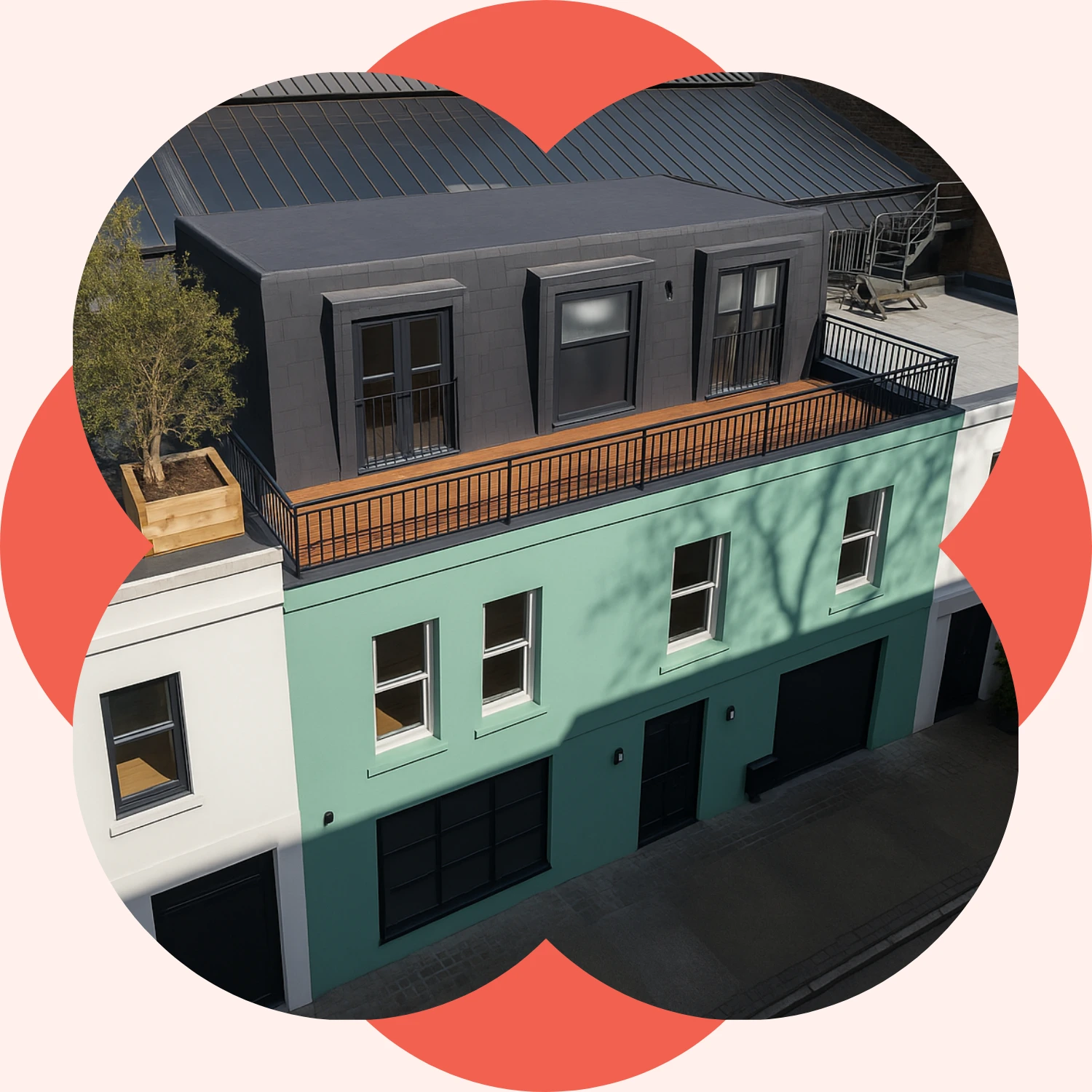
A dormer loft conversion extends the existing roof outward with a flat-roofed structure, creating full standing height across most of the new floor. It is the most common loft conversion type in London and suits terraced, semi-detached and detached properties. Our drawings cover existing and proposed floor plans, roof plans, front and rear elevations, and section drawings. Where the dormer falls under permitted development, we prepare the lawful development certificate application as part of the package. Materials are matched to your existing roof to satisfy permitted development conditions.
Mansard Loft Conversion Drawings
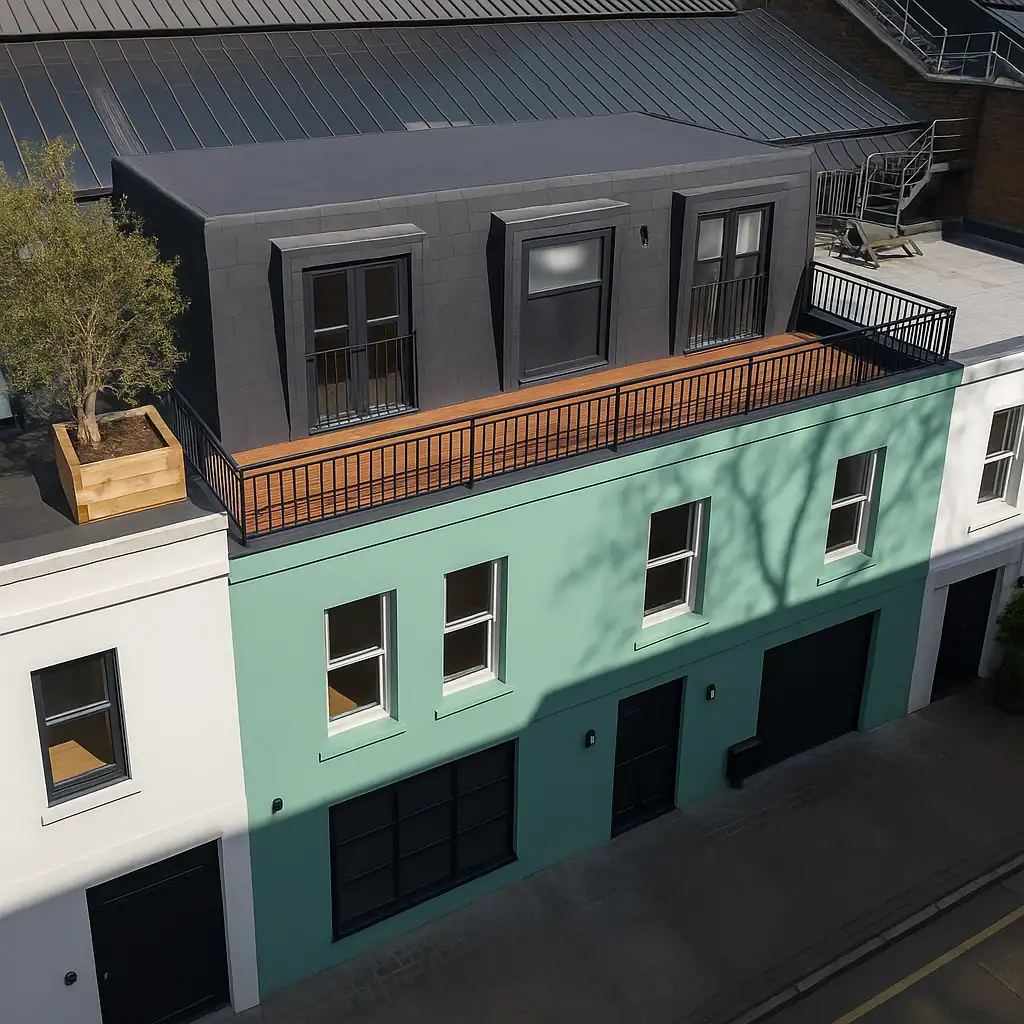
A mansard loft conversion replaces the sloping rear roof with a near-vertical wall at around 72 degrees, topped with a flat roof. This creates the maximum usable floor area of any loft conversion type and is particularly common on terraced properties across inner London. Mansard conversions almost always require full planning permission. Our drawings package includes planning drawings, design and access statement, floor plans, roof plans, sections and elevations. Structural calculations are typically required — AC Design Solution coordinates both. Read our full terraced house loft conversion guide for more detail.
Hip-to-Gable Loft Conversion Drawings
A hip-to-gable loft conversion replaces the inward-sloping hip end of the roof with a vertical gable wall, significantly increasing usable floor area. It is the most popular conversion type for semi-detached and end-of-terrace properties with hipped roofs. Hip-to-gable conversions often fall under permitted development when combined with a rear dormer, provided the total additional volume does not exceed 50m³. Structural input is required to redesign the roof at the hip end — we coordinate architectural and structural drawings as one package. Read our full semi-detached loft conversion guide for more detail.
L-Shaped Loft Conversion Drawings
An L-shaped loft conversion combines two dormer sections — one over the main rear roof and one over the back addition or outrigger. This creates an L-shaped floor plan and is one of the most space-efficient conversion types, commonly delivering enough room for two bedrooms or a bedroom with a separate home office and bathroom. L-shaped conversions suit Victorian and Edwardian terraced houses with a rear outrigger. Most fall under permitted development provided the combined volume stays within the 40m³ limit for terraced houses.
Rooflight Loft Conversion Drawings
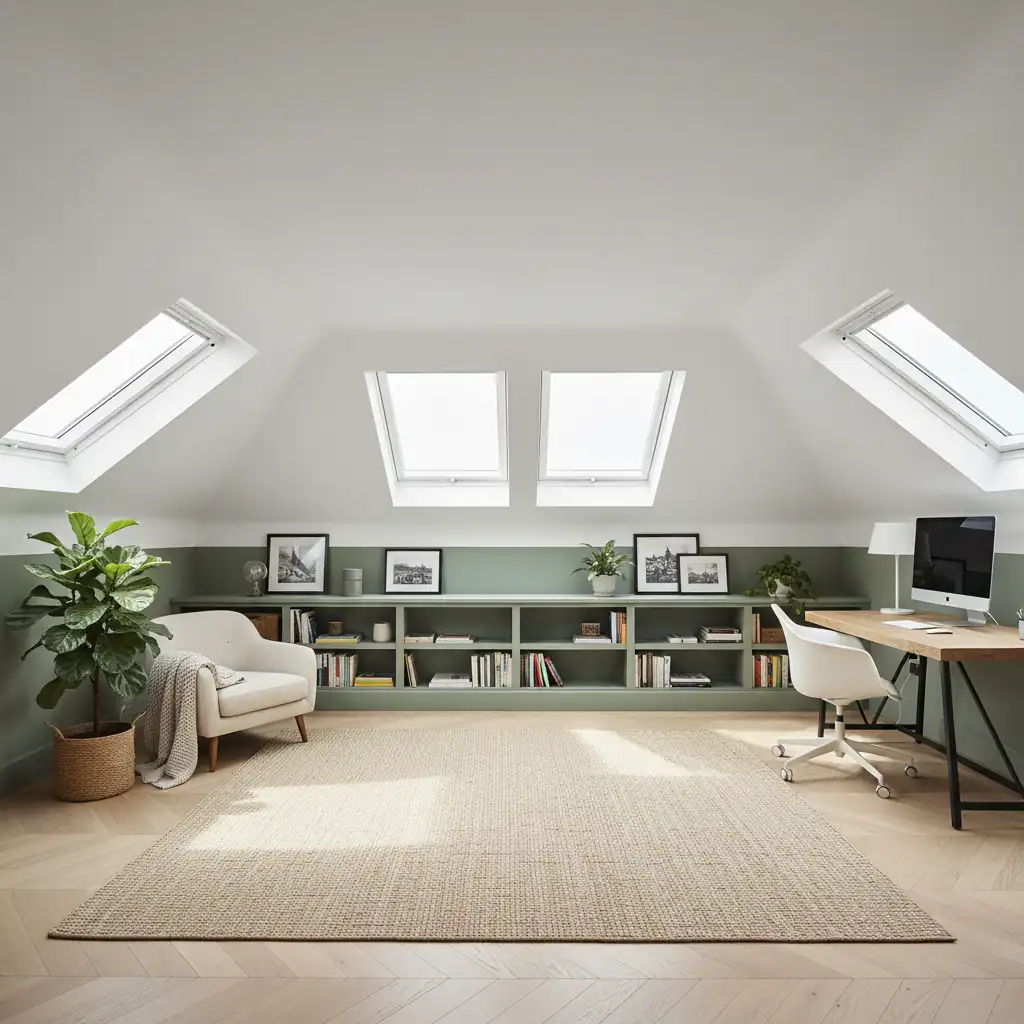
A rooflight loft conversion keeps the existing roofline completely unchanged. Velux or similar rooflights are fitted between the existing rafters to bring in natural light and ventilation. There is no dormer and no change to the roof profile, making it the most cost-effective conversion type and almost always within permitted development. Building regulations approval is still required. Our drawings show rooflight positions, the strengthened floor structure, staircase layout, fire door positions, insulation specification and ventilation details. We check head height at survey stage and advise whether a rooflight or small dormer is the better route.
Loft Conversion or Home Extension: Which Is Right for You?
A loft conversion and a ground floor extension both add usable space but suit different properties and budgets. In London, where garden space is limited, a loft conversion is often the more practical route and generally less disruptive during the build. Extensions suit homeowners who need open-plan ground floor space or a room connecting directly to the garden. If you are weighing up both options, AC Design Solution can help with house extension drawings and advise on the most suitable route during your free initial consultation.

Ready to start your loft conversion drawings?
Get Free QuoteLoft Conversion FAQ
Do I need an architect for my project?
Do I need planning permission for a loft conversion?
Most loft conversions in England fall under permitted development rights under Class B of the General Permitted Development Order. This means you do not need full planning permission, but you do need a lawful development certificate to confirm the work is lawful. Permitted development applies provided the additional volume does not exceed 40m³ for terraced houses or 50m³ for detached and semi-detached houses. The materials used on the exterior must match the existing property, and the roof height must not be increased. Mansard conversions and most conversions in conservation areas or on listed buildings require full planning permission. The current planning application fee in England is £258. We advise on the correct route at survey stage and manage the submission on your behalf.
What if my project needs building regulations approval?
Building regulations approval is required for all loft conversions where the space is converted to a habitable room — regardless of whether planning permission is needed. Building control fees are set by your local authority and typically range from £500 to £900 depending on the scope of the project. Our building regulations drawings cover structural details, insulation build-ups, fire escape routes, staircase design, ventilation and all technical information building control needs. We can submit a full plans application on your behalf so the drawings are checked and approved before work begins on site.
What will my loft conversion cost?
Our loft conversion drawing packages start from £500 for a simple dormer under permitted development. Full build costs vary — our loft conversion cost guide covers typical budgets for dormer, hip-to-gable loft, and mansard conversions across the UK. All drawing packages are fixed price from the start with no hidden costs.
Can I combine my loft conversion with an extension?
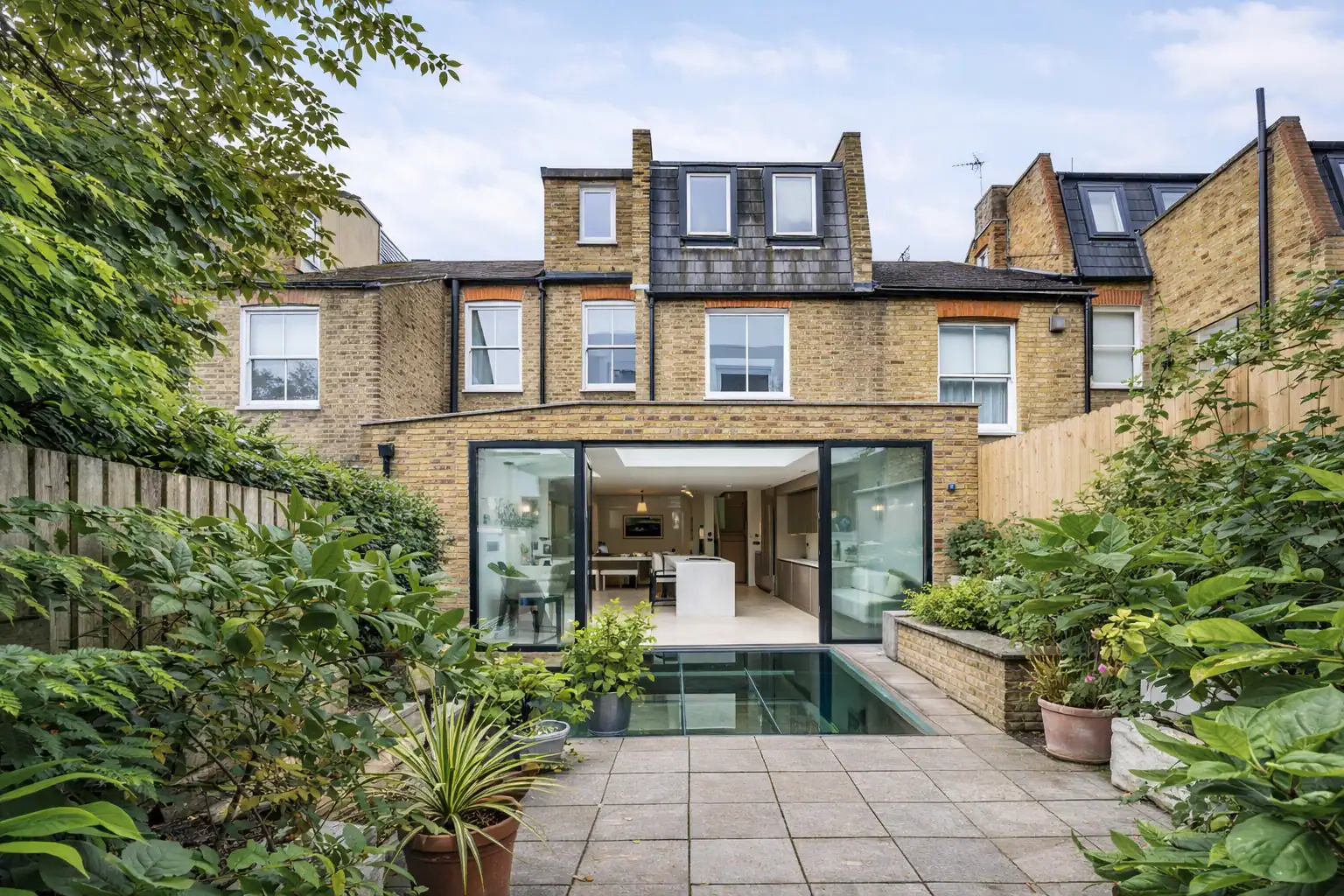
Yes. We often design loft conversion and home extension projects together. This creates larger, continuous living areas. Combining a loft conversion with a single or double storey home extension can be more cost effective than carrying out the building work separately. A single set of loft conversion plans and drawings can cover both elements.
Do I need a party wall agreement for a loft conversion?
You may need a party wall agreement if the building work affects a shared wall, boundary wall, or excavation near a neighbour’s property. Under the Party Wall etc. Act 1996, you must serve a Party Wall Notice on any adjoining owner before work begins. If your neighbour dissents, appointed surveyors agree a Party Wall Award — this does not block your loft conversion project but ensures the building work is carried out legally and safely. AC Design Solution also provides party wall surveying services.
Can my neighbour stop my loft conversion?
A neighbour cannot stop a compliant loft conversion. If you need a party wall agreement because the building work affects a shared wall, the Party Wall Act process runs alongside your planning and building regulations approval. It does not block your project. Our team can advise on whether party wall notices are required as part of your initial consultation.
Is my project covered by permitted development rights?
Many loft conversion types fall under permitted development without planning permission being required. The permitted development volume limit is 40m³ for terraced houses and 50m³ for detached and semi-detached properties. Properties in a conservation area or those subject to an Article 4 direction may need full planning permission even for smaller conversions. We confirm your permitted development status at survey stage. We then advise whether a lawful development certificate application is needed. You can also check the UK Government guide on the Planning Portal before contacting us.
Expert Loft Conversion Drawings Advice
Our blog covers everything homeowners need to know before starting a loft conversion project — from permitted development rules to loft conversion types, costs, and party wall requirements.