
Planning a loft conversion is one of the most effective ways to add space and value to your home.
However, any building work that involves party walls shared with adjoining properties or an adjoining wall will usually require party wall agreements under the Party Wall etc. Act 1996.
This Act protects both homeowners and neighbours when structural work affects a shared wall or boundary. It also helps you comply with the party wall procedures.
If you’re considering a loft conversion, this guide explains when a party wall agreement for loft projects is needed. You’ll learn how to serve a party wall notice, and what happens once the party wall notice is served. It includes everything you need to know about obtaining a party wall agreement. Plus, you’ll understand the steps you must follow to reach an agreement legally.
What Is a Party Wall?
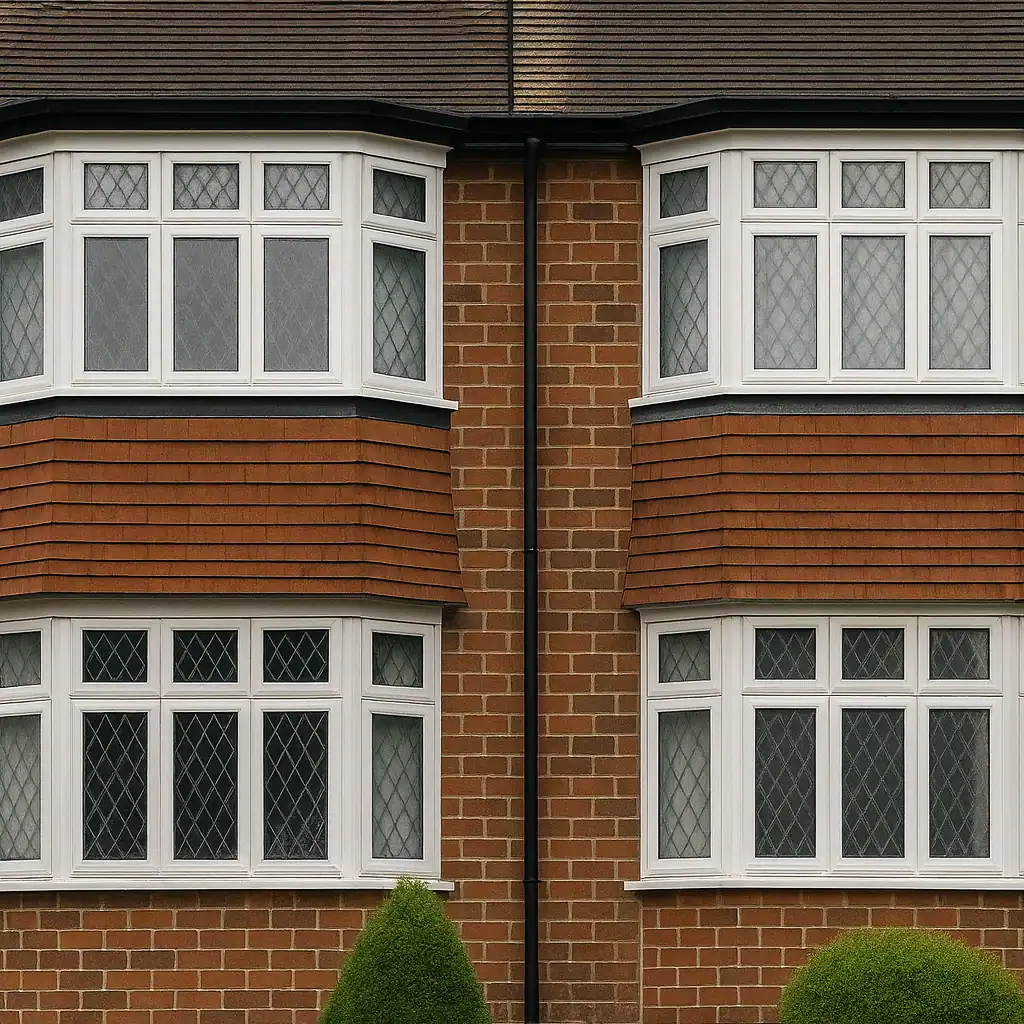
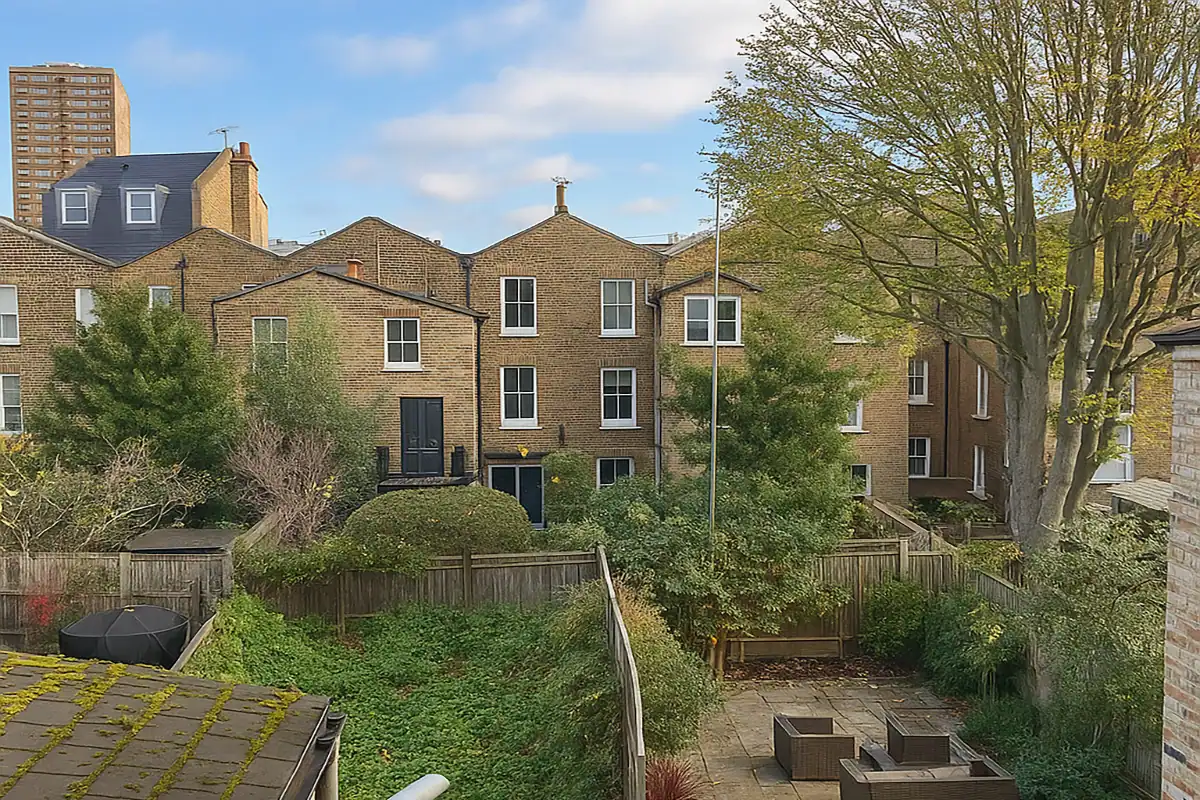
A party wall is the wall or structure that separates adjoining properties. These include terraced or semi-detached houses. It is a wall that is shared by both owners. It may include any equivalent to the party wall between buildings.
It may be the wall between living spaces. It could be a wall agreement for a loft that supports new steels. It might even be a column rather than the party wall itself if both buildings rely on it.
The thickness of the party wall is shared equally by both owners.
Any work that involves a wall requires an agreement and proper notice under the Party Wall Act 1996. This includes cutting into, raising, or thickening it. Even drilling into a party wall needs permission.
If you plan to work on a party wall as part of your loft project, you’ll need a written agreement before you start.
What Is the Party Wall etc. Act 1996?
The Party Wall etc. Act 1996 protects homeowners and their adjoining neighbours. It applies when one side intends to carry out building work that might affect party walls or shared structures.
The Act provides the procedure for notices, disputes, and party wall awards.
It covers:
- Building on a boundary line (new walls).
- Structural changes to shared walls—cutting in steels or inserting beams.
- Excavations within three metres of another foundation.
The Party Wall Act provides a framework to prevent party wall issues. It ensures each owner’s rights are respected. It also clarifies when a party wall agreement is needed. Plus, it ensures that any notice is only valid if it follows the proper process.
What Is a Party Wall Agreement?
A party wall agreement—also called a Party Wall Award—is a written agreement between the building owner and the adjoining owner.
It is prepared by one or more qualified party wall surveyor. The document records how the work will be carried out safely. You may need to appoint a surveyor or even two surveyors to prepare a party wall (we have written an article whether hiring a party surveyor is worth it)award. This depends on whether both parties consent or dissent.
A wall agreement is a written document that sets out:
- The proposed loft alterations or other building work.
- Access rights and timing.
- The Schedule of Condition of the neighbour’s property.
- Repair obligations and costs of the party wall.
- Signatures of each agreed surveyor.
When the party wall agreement is in place, both owners have legal clarity. Construction can begin lawfully. The parties must appoint a party wall surveyor before any disagreement arises. This ensures the project runs smoothly.
Do I Need a Party Wall Agreement for a Loft Conversion?
Yes, most loft conversions require party wall agreements. The reason is simple—the design almost always affects party walls. The party wall etc act 1996 clearly states that you must have a party wall agreement when carrying out building work on a shared structure.
Examples of loft conversion party wall works include:
- Inserting steel beams into the wall you share with your neighbour.
- Raising or thickening the wall to create a dormer.
- Removing shared chimney stacks.
- Excavating for new pads or columns close to another foundation — see the 3 metre rule guide.
The Party Wall Act 1996 protects both owners by requiring written consent or a party wall award. This must be done before any work that involves a wall or structure shared between homes can start. This means you must appoint a party wall surveyor before starting.
Tip: Speak with our Party Wall Surveyors in London before you make any loft alterations. We ensure your loft conversion requires a party wall agreement that meets all legal standards. We also ensure it complies with
loft conversion building regulations.

Can I Do a Loft Conversion Without an Agreement?
You cannot start building work on a shared wall without an agreement.
The law treats this as a breach of the Act 1996. Your neighbour can stop the project with an injunction.
Even if your neighbour seems happy, party walls require that you obtain written permission or a party wall award before starting construction. Ignoring the requirement can prevent building work. It can also lead to costly delays.
If your loft conversion party wall agreement is missing, your neighbour can challenge the work. So it’s essential to prepare a party wall award before starting.
Party Wall Agreement Template
A correct party wall agreement template or notice should include:
- Names and addresses of both owners.
- Description of the loft conversion or building works.
- Proposed start date and access details.
- Reference to the Party Wall Act 1996.
Many homeowners attempt wall agreements without the help of a professional. But errors can invalidate the notice.
A qualified party wall surveyor ensures the wording complies with the Act. This way, the notice must be served correctly.
If you’re unsure how much does a party wall agreement cost, or how long it takes, a surveyor can guide you through everything you need to know. They’ll prepare a party wall document that complies with the Act.
How Long in Advance Do I Need to Serve the Notice?
You must serve a party wall notice at least two months before the planned start date for structural works. For excavation work, you need one month before.
Your neighbour has 14 days to respond. If there’s no reply within 14 days, the law assumes dissent. At that point, surveyors need to be appointed. A formal Party Wall Award will follow.
What Happens After I Serve the Notice?
Once the party wall notice is served, three possible outcomes occur:
- Consent – the neighbour signs, giving written agreement for you to proceed.
- Dissent with one surveyor – both parties appoint an agreed surveyor to act impartially.
- Dissent with two surveyors – each side appoints its own surveyor. They then select a third if disputes arise.
The party wall award becomes the binding document controlling how the building work proceeds. It also controls how damage, if any, will be rectified. A valid party wall agreement is needed before any work begins.
The Role of the Adjoining Owner
The adjoining owner (your neighbour) can:
- Appoint a party wall surveyor of their choice.
- Inspect the property before work begins.
- Request copies of drawings and the party wall notice.
- Have the surveyor’s fees covered by you, the building owner — see our Party Wall Surveyor Cost Guide.
Loft Conversion Works That Require a Party Wall Agreement
Common loft conversion party wall examples include:
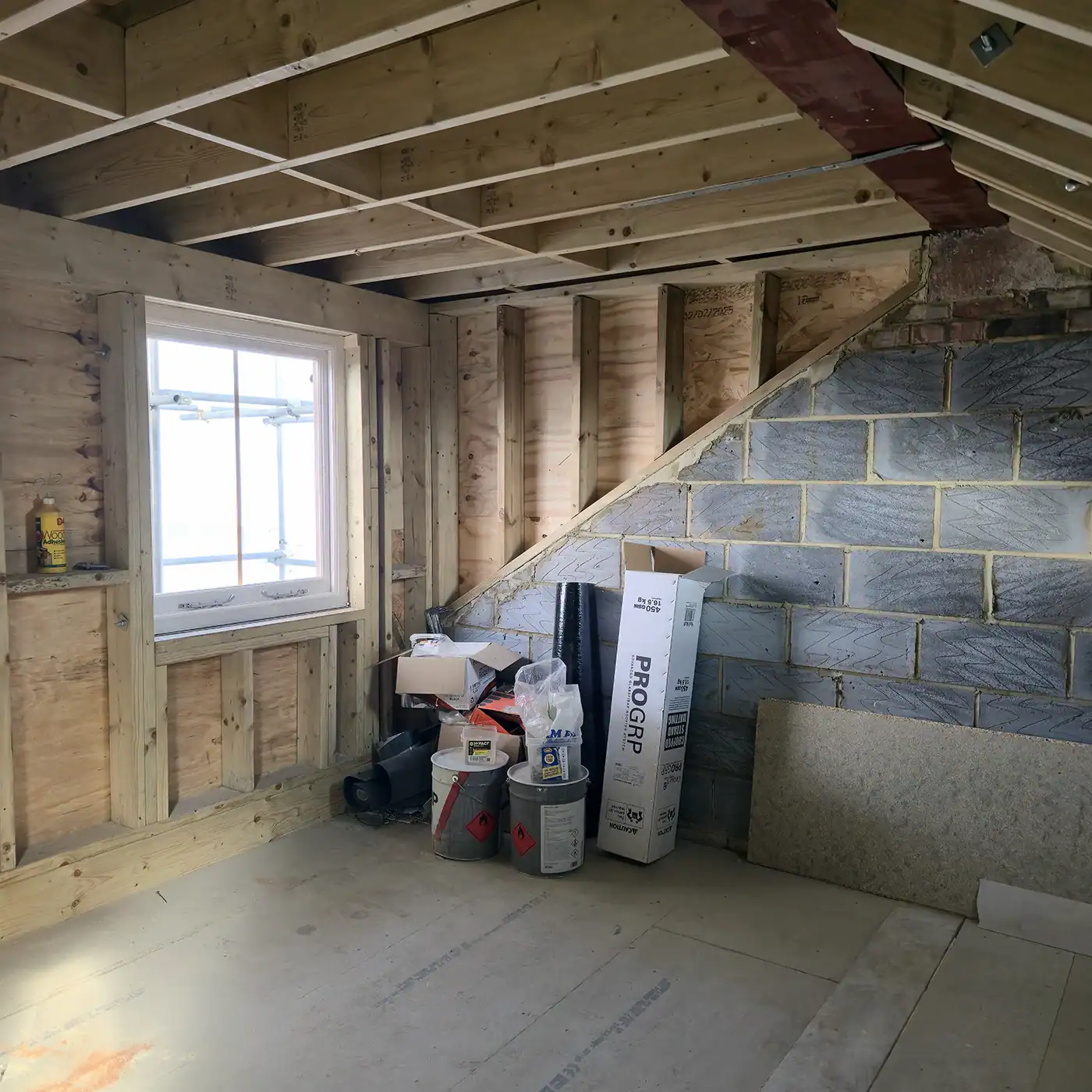
- Inserting steels to support new joists.
- Raising the wall to form dormer cheeks.
- Removing or rebuilding a shared chimney.
- Forming new roof openings that sit directly on the wall you share with your neighbour.
- Excavating near another property’s foundation.
Loft Conversion with AC Design Solution
At AC Design Solution, we manage wall agreements for loft conversions from start to finish. Our CIAT-Chartered team prepares drawings, structural calculations, and serves compliant notices under the Party Wall Act 1996.
Contact our Party Wall Surveyors in London for expert help with party wall agreements without confusion or delay.
Get our comprehensive guide explaining the Party Wall Act, your rights and obligations, notice requirements, and what to expect from the surveyor process.
Download the free guide →