
Dormer Loft Conversion Drawings
A dormer loft conversion is one of the most popular ways to add a full-height room to a London property. Getting the drawings right is what moves your project from idea to building control approval — and whether your property is terraced, semi-detached or detached, the process starts with a measured survey and a clear set of loft conversion drawings prepared to planning and building control standard.
At AC Design Solution, we handle everything from initial assessment through to building regulation drawings and building control submission. Our CIAT Chartered Architectural Technologists have delivered over 10,000 UK projects across all loft conversion types.
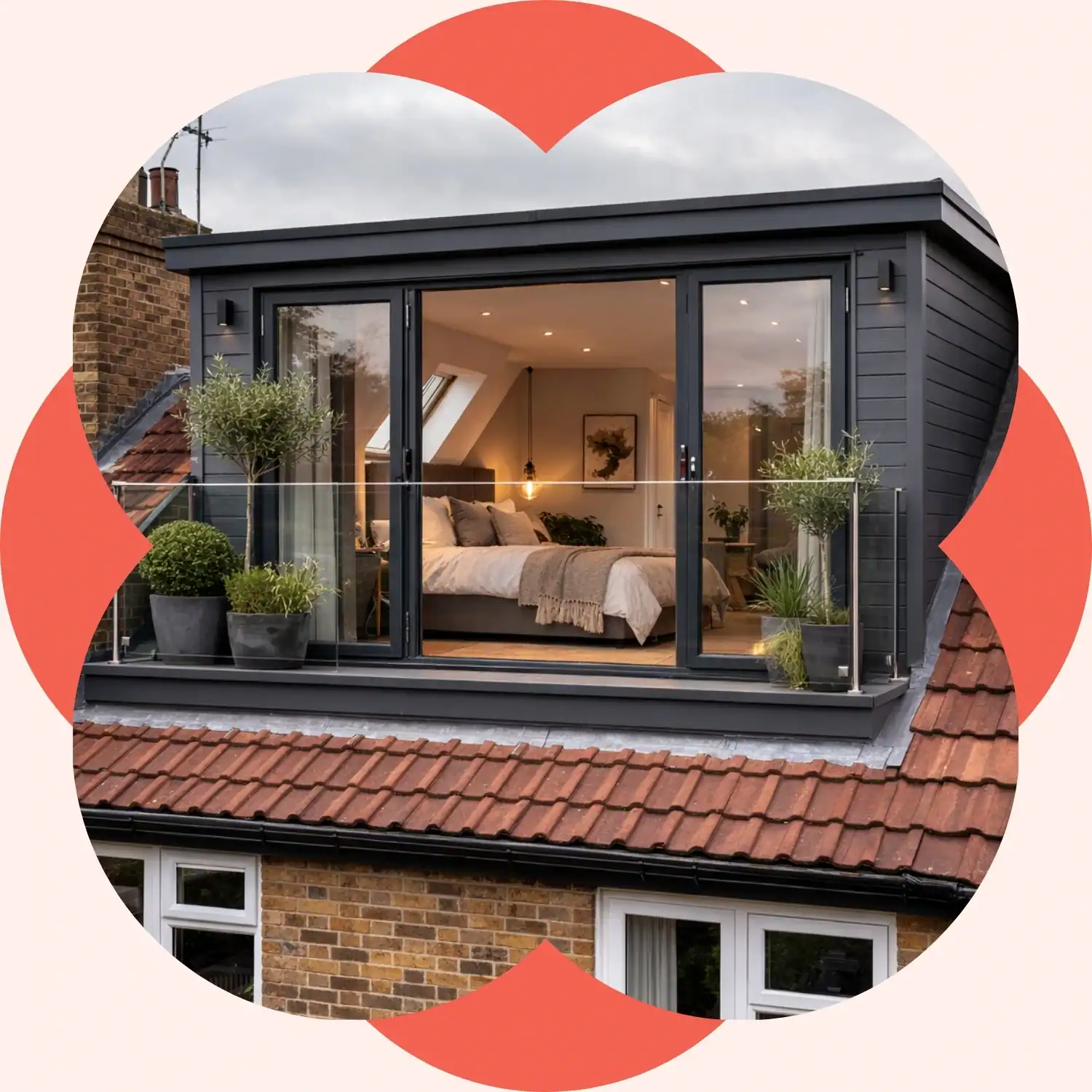
What Is a Dormer Loft Conversion?
A dormer loft conversion adds a vertical-walled extension to the slope of your existing roof. The dormer roof projects outward with its own small roof section, usually flat, creating additional headroom and floor area inside the existing roof space. Without a dormer, a simple loft conversion using only roof windows leaves sloping ceilings on both sides. A dormer solves that by creating a full-height zone where you actually need it.
Types of Dormer Loft Conversion
The right conversion type depends on your roof structure, the space you want to create, and what your local planning authority will allow. We prepare dormer loft conversion drawings for all of the following types, coordinated with structural input where required.
The most common type on London terraces and semis. Most fall under permitted development rights so you do not need planning permission. Flat-roofed and creates the most usable internal headroom.
Covers the rear slope of the main roof and the rear slope of a back addition. Popular on Victorian terraces and creates significantly more floor area than a single rear dormer. Most fall under permitted development within the 40m³ limit. Read our full terraced house loft conversion guide for more detail.
Rebuilds a hipped end of the roof into a vertical gable wall, opening up the full width of the new loft space. Usually combined with a rear dormer. See our guide to hip to gable loft conversion for what to expect. Structural drawings are essential for hip to gable work.
Rebuilds the entire rear roof slope to nearly vertical, at around 72 degrees. Creates the maximum usable space of all loft conversion types but almost always requires a full planning application. Read our complete mansard loft conversion guide for full detail.
Lowest cost option and easiest to get building regulations approval, but usable floor area is limited by the original roof pitch. No change to the external roof profile.
Roof Type and Suitability
Traditional cut rafter roofs on Victorian and Edwardian properties give you open roof space to work with from day one. These are the most straightforward to convert and suit all dormer types. Hipped roofs reduce usable volume on the side — a hip to gable loft conversion addresses that directly. Modern trussed roofs fill the roof space with a webbed framework that needs structural alteration before conversion work can start.
Head height is the key check before any dormer loft conversion drawings are prepared. You need at least 2.2m from ceiling joist to ridge. Building regulations require a minimum ceiling height of 2.1m over 50% of the habitable floor area — anything below 2.2m at the ridge makes a usable loft room very difficult to achieve.
What Do Dormer Loft Conversion Drawings Include?
- Planning drawings Existing and proposed floor plans, roof plans, front and rear elevations, and a site location plan. Required where the project needs full planning permission or a lawful development certificate application.
- Building regulation drawings Detailed construction drawings showing structural information, insulation to Part L U-values, ventilation under Part F, fire safety provisions, and stair design under Part K. Submitted to building control as a full plans application before work starts.
- Structural calculations Required for any dormer involving new steel beams, altered rafters, or a hip to gable conversion. We coordinate architectural and structural drawings as one package.
- Stair drawings Every loft staircase must meet Part K of the Building Regulations covering riser height, tread depth, headroom, and guarding. We include dimensioned stair drawings in every building regulations package.
CALL US TODAY ON 020 8152 4006
Client Stories
Don’t just take our word for it – hear directly from satisfied clients about their experience working with us. These real stories demonstrate why businesses trust us to deliver outstanding results every time
Do You Need Planning Permission?
Most rear dormers fall under permitted development rights and don’t need a planning application. Exceptions include conservation areas, listed buildings, flats, properties with Article 4 directions, and cases where previous works have used up the permitted development volume allowance.
Lawful Development Certificate
A lawful development certificate gives you formal written confirmation that your dormer was built under permitted development rights. It’s not required before starting work but buyers’ solicitors frequently ask for it on sale, so it’s worth applying for once the work is complete.

Roof Type and Suitability
Cut rafter, hipped and trussed roofs
Traditional cut rafter roofs on Victorian and Edwardian properties give you open roof space to work with from day one. These are the most straightforward to convert and suit all dormer types. Hipped roofs reduce usable volume on the side — a hip to gable loft conversion addresses that directly. Modern trussed roofs fill the roof space with a webbed framework that needs structural alteration before conversion work can start.
Head height is the key check
Head height is the key check before any dormer loft conversion drawings are prepared. You need at least 2.2m from ceiling joist to ridge. Building regulations require a minimum ceiling height of 2.1m over 50% of the habitable floor area — anything below 2.2m at the ridge makes a usable loft room very difficult to achieve.

What Do Dormer Loft Conversion Drawings Include?
Planning drawings
Existing and proposed floor plans, roof plans, front and rear elevations, and a site location plan. Required where the project needs full planning permission or a lawful development certificate application.
Building regulation drawings
Detailed construction drawings showing structural information, insulation specification to current Part L U-values, ventilation under Part F, fire safety provisions including escape windows and fire doors, and stair design under Part K. These are submitted to building control as a full plans application before work starts on site.
Structural calculations
Required for any dormer involving new steel beams, altered rafters, or a hip to gable conversion. We coordinate architectural and structural drawings as one package so nothing gets missed between disciplines.
Stair drawings
Every loft staircase must meet Part K of the Building Regulations covering riser height, tread depth, headroom, and guarding. Minimum headroom on the stair is 2m at the pitch line. We include dimensioned stair drawings in every building regulations package.
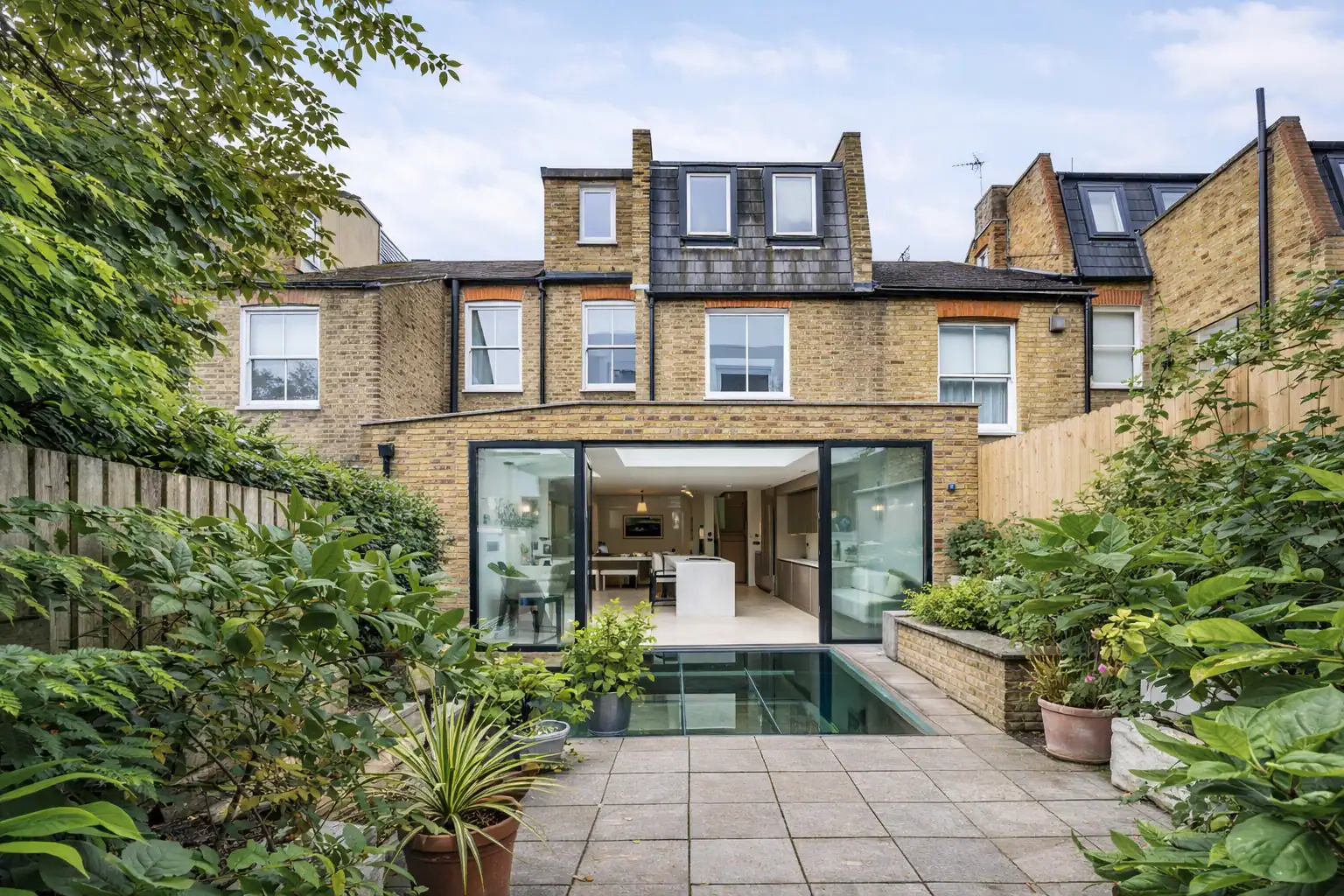

Dormer Windows, Glazing and Cladding
Flat roof finish
The flat roof section is finished in EPDM rubber, GRP fibreglass, or felt — EPDM and GRP last 20 to 25 years.
Dormer cheek cladding
Dormer cheeks are typically clad in zinc, slate tiles, timber weatherboarding, or render. Conservation areas may have specific material requirements, which your dormer loft conversion drawings will reflect.

Ready to start your dormer loft conversion drawings?
Get free quoteLet's Talk About Your Home Improvement Project
Ready to start your building project? Contact AC Design Solution today for expert building regulations drawings services. We ensure compliance and smooth building control approval
Do You Need Planning Permission?
Permitted Development Size Limits
- Dormer must not exceed the highest point of the existing roof
- No overhang beyond the existing roof slope at the eave
- No side-facing windows overlooking a neighbouring property
- Materials similar in appearance to the existing house
- Terraced houses: up to 40 cubic metres of additional roof space
- Detached and semi-detached houses: up to 50 cubic metres
- Limits are cumulative — previous loft works on the property count toward the total
Lawful Development Certificate
A lawful development certificate gives you formal written confirmation from your local planning authority that your dormer was built under permitted development rights. It is not required before starting work but buyers' solicitors routinely ask for it on sale. Worth applying for once the dormer is complete — applications typically take four to eight weeks.
Do You Need Building Regulations Approval?
Yes, always. Every dormer loft conversion requires building regulations approval regardless of whether planning permission is needed. Your dormer loft conversion drawings submitted to building control must cover structural drawings and calculations, fire safety, insulation to Part L U-values, ventilation under Part F, stair design under Part K, and any electrical or plumbing work for an en-suite.
Full plans is the right route for any dormer loft conversion. You submit detailed drawings and specifications to building control before work starts on site. Design issues get resolved before they cost money on the build, and building control issues a completion certificate at the end — which you need when you sell.
On a semi-detached loft conversion or terraced house, work near the shared wall will likely trigger the Party Wall Act 1996. AC Design Solution handles party wall agreements for loft conversions and party wall surveying in-house as members of the Institute of Party Wall Surveyors.
Insulation, Ceiling Height and Interior Layout
Most pre-2000 London homes have insulation laid flat on the loft floor joists. Once the space converts to a loft room that insulation becomes redundant — the thermal envelope moves up to the roof slope and walls and must meet current Part L standards. Your dormer loft conversion drawings will specify the correct insulation build-up to achieve the required U-values.
Building regulations require 2.1m headroom over 50% of the habitable floor area. A well-designed rear dormer gives 2.2 to 2.4m at the dormer face, stepping down toward the eaves. Eave areas work best as built-in storage rather than dead space.
Dormer Loft Conversion Costs and Drawing Fees
Dormer loft conversion cost in London typically runs from £35,000 to £60,000 for the build. Hip to gable and L-shaped conversions at higher specification cost more.
Drawing fees at AC Design Solution are fixed-price. Our dormer loft conversion drawings packages cover planning drawings where required, building regulations plans, structural coordination, and building control submission — fixed-fee quotes between £1,500 and £3,000 depending on the scope. We can produce sample plans before you commit to the full package. Our design and build coordination service manages drawings and specifications alongside contractor pricing so nothing gets lost between design and build.
Ready to start your dormer loft conversion drawings?
Get free quoteFrequently Asked Questions
Do I need planning permission for a dormer loft conversion?
Most rear dormers fall under permitted development rights — 40 cubic metres for terraced houses, 50 for detached and semi-detached. Exceptions include conservation areas, listed buildings, flats, Article 4 properties, and cases where previous loft works have already used up the permitted volume. We check your planning history before any drawings are started.
Do I need building regulations approval for a loft conversion?
Yes, without exception. Building regulations approval is required for every loft conversion regardless of planning permission — the two are completely separate processes. It covers structural safety, fire escape, insulation, ventilation, and stair design. Building control issues a completion certificate at the end which you’ll need when you come to sell.
What is a lawful development certificate?
Formal written confirmation from your local planning authority that your dormer was built under permitted development rights. You don’t need one before starting work, but buyers’ solicitors routinely ask for it on sale. Worth applying for once the dormer is complete applications typically take four to eight weeks.
Do You Need Drawings for a Loft Conversion?
Yes. You need drawings and structural calculations for Building Control. They show insulation, structure, fire safety and ventilation. Without them, construction cannot legally begin.
What is a full plans application?
Detailed drawings and specifications submitted to building control before work starts on site. Building control reviews them and issues a decision notice before construction begins. The right route for any loft conversion involving structural alterations, fire safety, or party wall works — and it gives your builder a clear document to price from accurately.
What size dormer can I build under permitted development?
Terraced houses up to 40 cubic metres, detached and semi-detached up to 50 cubic metres. The dormer cannot exceed the ridge height, overhang the eave, or include side-facing windows at eave level. Limits are cumulative so previous loft works on the property count toward the total.
Do I need a party wall agreement for a loft conversion?
If your property is terraced or semi-detached, work on or near the shared wall will likely trigger the Party Wall Act 1996. Notices must be served on neighbours before work starts. If a neighbour dissents, a party wall surveyor draws up a party wall award. We handle this in-house as members of the Institute of Party Wall Surveyors.
What's the minimum ceiling height for a loft conversion?
Building regulations require 2.1m headroom over 50% of the habitable floor area. You need at least 2.2m from ceiling joist to ridge for a conversion to be viable. A well-designed rear dormer on a typical London terrace gives around 2.2 to 2.4m at the dormer face, stepping down toward the eaves.
What is a flat roof dormer loft conversion?
A flat roof dormer has a flat rather than pitched roof section and is the most common dormer type on London terraces. It creates the most usable internal headroom and is more cost-effective to build than a pitched dormer. The flat roof is waterproofed using EPDM, GRP, or felt, with modern systems lasting 20 to 25 years.