
Building Regulation Drawings for Extensions
Building building regulation drawings are required for most home extensions before building work can begin. These drawings are used by Building Control to check that the proposed extension complies with UK Building Regulations and can be built safely, correctly and in line with current building standards.

Understanding Building regulations
They are detailed technical drawings. They focus on structure, fire safety, insulation, drainage and ventilation. They are not the same as planning drawings, which mainly deal with layout, size and appearance.
For homeowners, building regulation drawings are the documents that allow inspections to proceed smoothly and enable the project to be signed off at completion.
Do I need Building Regulations drawings for my home extension?
Yes. In almost all cases, a home extension requires Building Regulations approval, and building regulation drawings form part of that approval process.
You will normally need Building Regulations if the extension involves new foundations, new external walls or roofs, structural openings or steel beams, changes to insulation or energy performance, drainage alterations, or kitchens and bathrooms that require ventilation.
If the work affects structure, fire safety, insulation, drainage or ventilation, it is classed as work that requires building regulations. Drawings will be needed so Building Control can assess compliance before construction progresses.
When do I need Building Regulations drawings?
Building regulation drawings are usually required before building work starts, particularly where a Full Plans building control application is being made.
In practice, drawings are needed before submitting a building control submission, before inspections begin on site, and before foundations and structural work are carried out.
Starting work without drawings often leads to inspection failures, delays or requests to open up completed work so compliance can be checked properly.
Getting Building Regulations approval for an extension
Getting Building Regulations approval involves submitting a building control application with a set of application drawings and supporting technical information.
The drawings allow the building control department to assess whether the proposed extension complies with UK Building Regulations, meets current building standards and can be inspected safely during construction.
This process is sometimes referred to as “getting building approval”, but in practice it means providing detailed technical plans that Building Control can review and approve before work progresses.
Explore All Our Architectural Projects
AC Design Solution provides Building Regulation drawings for extensions and loft conversions across Uk
We coordinate architectural drawings, structural calculations, steel beam and foundation design all aligned with Building Control requirements. With 10,000+ UK projects completed, our drawings are clear, compliant, and ready for approval.
Need Building Regulation drawings for your extension?
Building regulation plans and building regs drawings explained
Building regulation plans, also known as building regs drawings or building regs plans, are detailed technical plans prepared specifically for compliance.
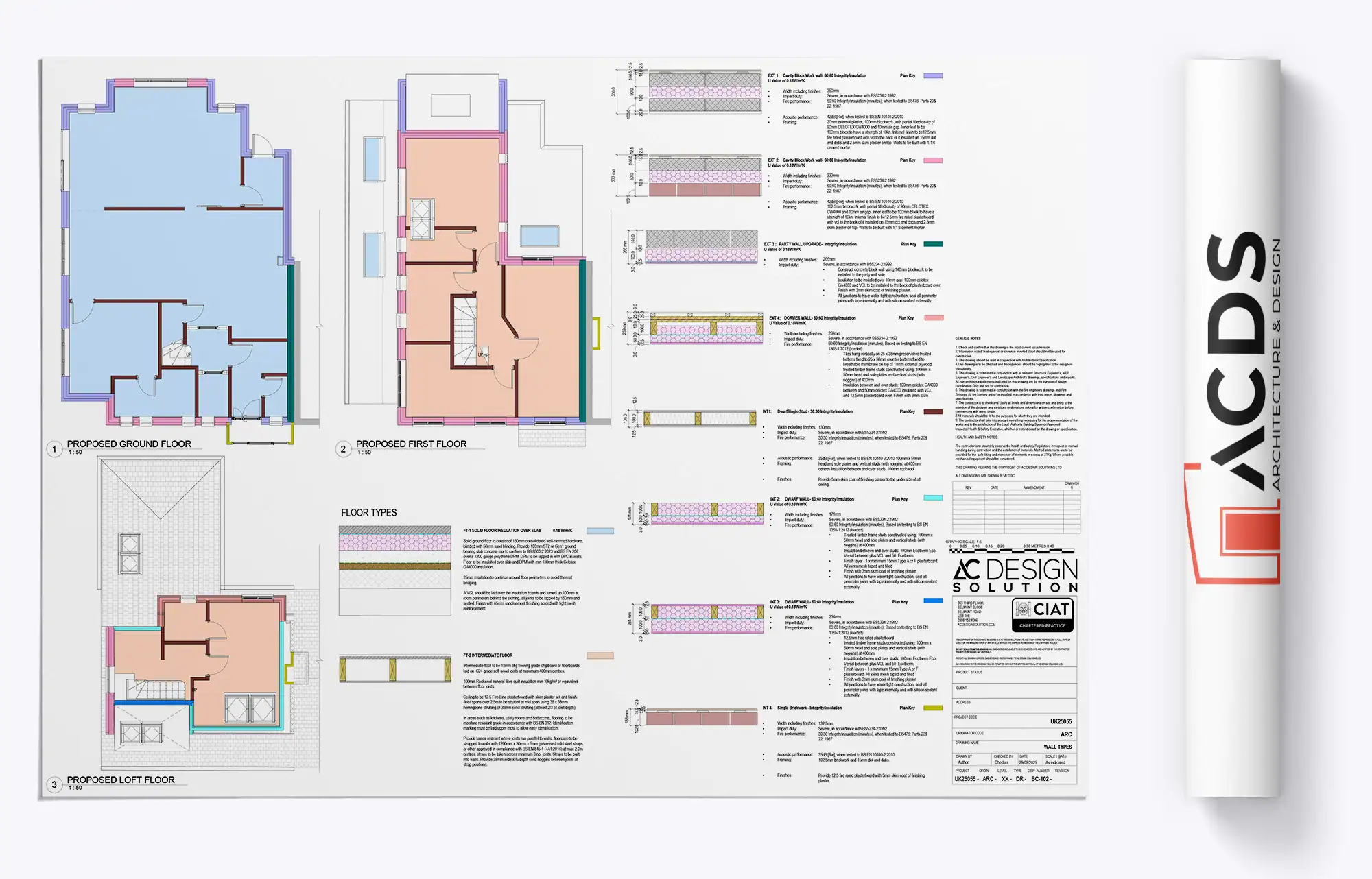
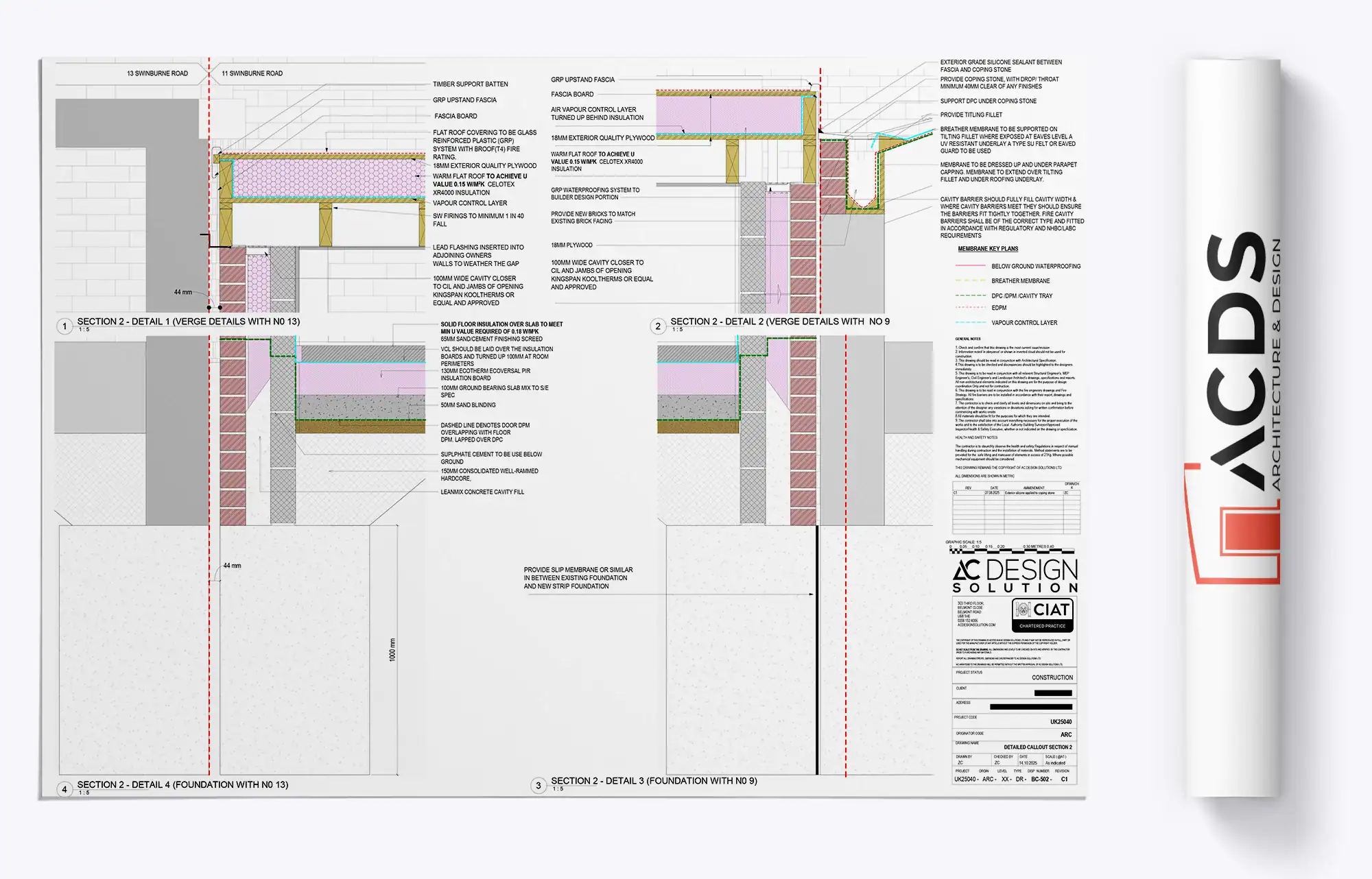
They show how the extension will be constructed and how it will meet building regulations, including structural layout, connections between new and existing construction, fire safety provisions, insulation and thermal performance, ventilation strategy and drainage arrangements.
These drawings are used throughout the project and during inspections at each stage of the build.
BUILDING REGULATIONS
Planning Permission and Building Regulations for Extensions
Planning permission and Building Regulations are two separate approval systems.
Planning permission focuses on appearance, size and impact. Building Regulations focus on how the work is built and whether it is safe and compliant.
Even where planning permission is granted, a separate Building Regulations application is still required. Planning drawings alone do not contain enough technical detail for Building Control to assess structure, insulation, ventilation and drainage.
If you want a detailed explanation of the difference, see planning drawings vs building regulation drawings .
GET FREE QUOTEBUILDING REGULATIONS
What if My Extension Is Under Permitted Development?
Permitted Development only removes the need for planning permission. It does not remove the requirement to comply with Building Regulations.
Even where an extension is permitted development:
- Building regulation drawings are still required
- Building Control inspections still apply
- A completion certificate will still be needed
This is one of the most common misunderstandings with house extensions and often causes delays once building work has already started.
GET FREE QUOTEBUILDING REGULATIONS
Why are Building Regulation Drawings Important?
Building regulation drawings are important for several practical reasons.
They demonstrate legal compliance with UK Building Regulations and help show that the extension meets required standards. They improve construction accuracy by giving builders clear construction details to follow, reducing guesswork on site.
They also support smoother Building Control inspections, as inspectors use the drawings to check the work at each stage. Finally, they help protect property value, as solicitors, surveyors and lenders often request Building Regulations completion certificates during sale or refinancing.
GET FREE QUOTEBUILDING REGULATIONS
Can a Builder Proceed Without Building Regulations Drawings?
A builder can physically start work without drawings, but it is not recommended.
Without approved drawings, inspections are more likely to fail, work may need to be altered or removed, and Building Control may refuse to issue a completion certificate.
In many cases, drawings are then requested retrospectively, which is more expensive and more difficult than preparing them properly before work begins.
How Building Control uses drawings during inspections
Building Control do not only review drawings at the start of a project. They use them throughout the building work.
Drawings are referenced during inspections at key stages, including foundations, structural elements, drainage installation, insulation and ventilation, and final completion.
If the building work carried out does not match the approved drawings, Building Control may require changes, additional details or further justification before signing off the work.
GET FREE QUOTEWhat’s included in a typical drawings package for an extension?
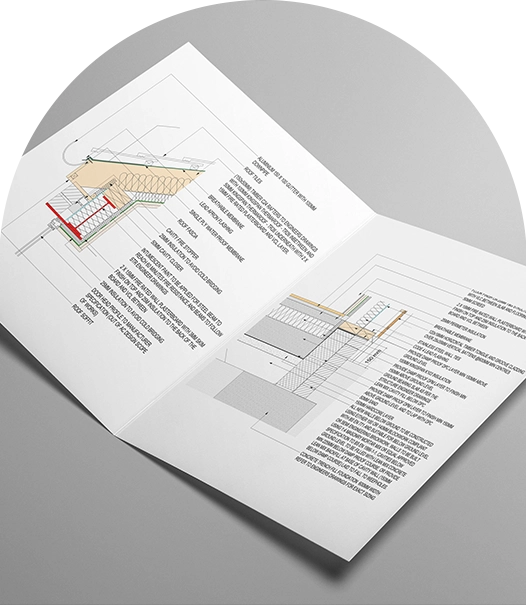
A typical drawings package for an extension includes existing and proposed building plans, sections through the extension and existing house, detailed technical plans at key junctions, insulation build-ups for walls, floors and roofs, drainage and ventilation layouts, and details and building regulations notes.
For more complex projects, the drawings package may also include structural calculations prepared by a structural engineer.
Yes. In almost all cases, a home extension requires Building Regulations approval, and building regulation drawings form part of that approval process.
You will normally need Building Regulations if the extension involves new foundations, new external walls or roofs, structural openings or steel beams, changes to insulation or energy performance, drainage alterations, or kitchens and bathrooms that require ventilation.
If the work affects structure, fire safety, insulation, drainage or ventilation, it is classed as work that requires building regulations. Drawings will be needed so Building Control can assess compliance before construction progresses.
Client Stories
Don’t just take our word for it – hear directly from satisfied clients about their experience working with us. These real stories demonstrate why businesses trust us to deliver outstanding results every time


Detailed building regulations plans for extension projects
Detailed building regulations plans are prepared to show exactly how building an extension will comply with current Building Regulations.
These plans are technical documents used by Building Control to assess compliance before work starts and to inspect the building work as it progresses on site.
For most projects, the extension will need a clear set of application drawings that demonstrate how the proposed construction will meet building regulations. This applies whether the work is a rear extension, side extension or part of a larger building project.
Building control submission and application drawings
A building control submission normally includes a full set of application drawings and supporting technical information.
Applying for building control approval involves submitting drawings that clearly show how the work will meet building regulations. This allows Building Control to assess the proposal and confirm that the design complies before inspections begin.
The drawings provide the technical clarity needed to avoid uncertainty during construction and reduce the risk of failed inspections.
Types of building work that require building regulations
Building regulations apply to many types of building work, including building an extension, a rear extension or side extension, drawings for a loft conversion, converting a house into flats, structural alterations and major refurbishments, and certain new build projects.
Each type of building work has different requirements, but all must meet building regulations and be supported by appropriate drawings.
Building plans and drawings for conversions and loft projects
While this page focuses on extensions, building regulations also apply to conversions.
Drawings for a loft conversion or converting a house will focus on different technical details, such as floor structure, fire escape routes and separation between spaces. In all cases, the drawings provide the information Building Control need to assess safety and compliance.
Building work and stages of the build
Building Control inspections usually take place at set stages of the build. These stages commonly include foundations, drainage, insulation and final completion.
Building regulation drawings act as the reference document at each stage. If building work carried out differs from the approved drawings, compliance issues can arise and may need to be resolved before work continues.
Building Regulation drawings cost for extensions
Drawings cost varies depending on the complexity of the project.
Factors that affect cost include the size and layout of the extension, foundation design, drainage alterations, and whether conversion or loft work is included.
For a detailed breakdown, see building regulation drawings cost.
What happens if building work is carried out without approval?
If building work is carried out without Building Regulations approval, Building Control may require a regularisation application.
This often involves opening up parts of the work so inspections can take place. Additional drawings and construction details may also be requested, which can delay completion and increase costs.
Frequently asked questions about Building Regulation drawings for extensions
Do I need Building Regulation drawings for a small extension?
In most cases, yes. Size does not determine whether Building Regulations apply. Safety and performance do.
Are planning drawings enough for Building Control approval?
No. Planning drawings do not contain the level of technical detail required for Building Control.
Do Building Regulations apply to loft conversions and conversions?
How do Building Regulation drawings protect property value?
They provide evidence that the work was compliant and signed off, which is often required during sale or refinancing.
Building Regulations Areas We Cover
Tap an area to view your local Building Regulation drawings page.
Our Building regulation articles
Rear Extension Building Regulations (UK Guide)
Summary not available. Please add an excerpt manually.
Building Regulations for Single Storey Extensions: Do You Need Planning Permission for a House Extension?

Building Control Drawings – Examples, Requirements & Complete Guide to Building Regulations Drawings
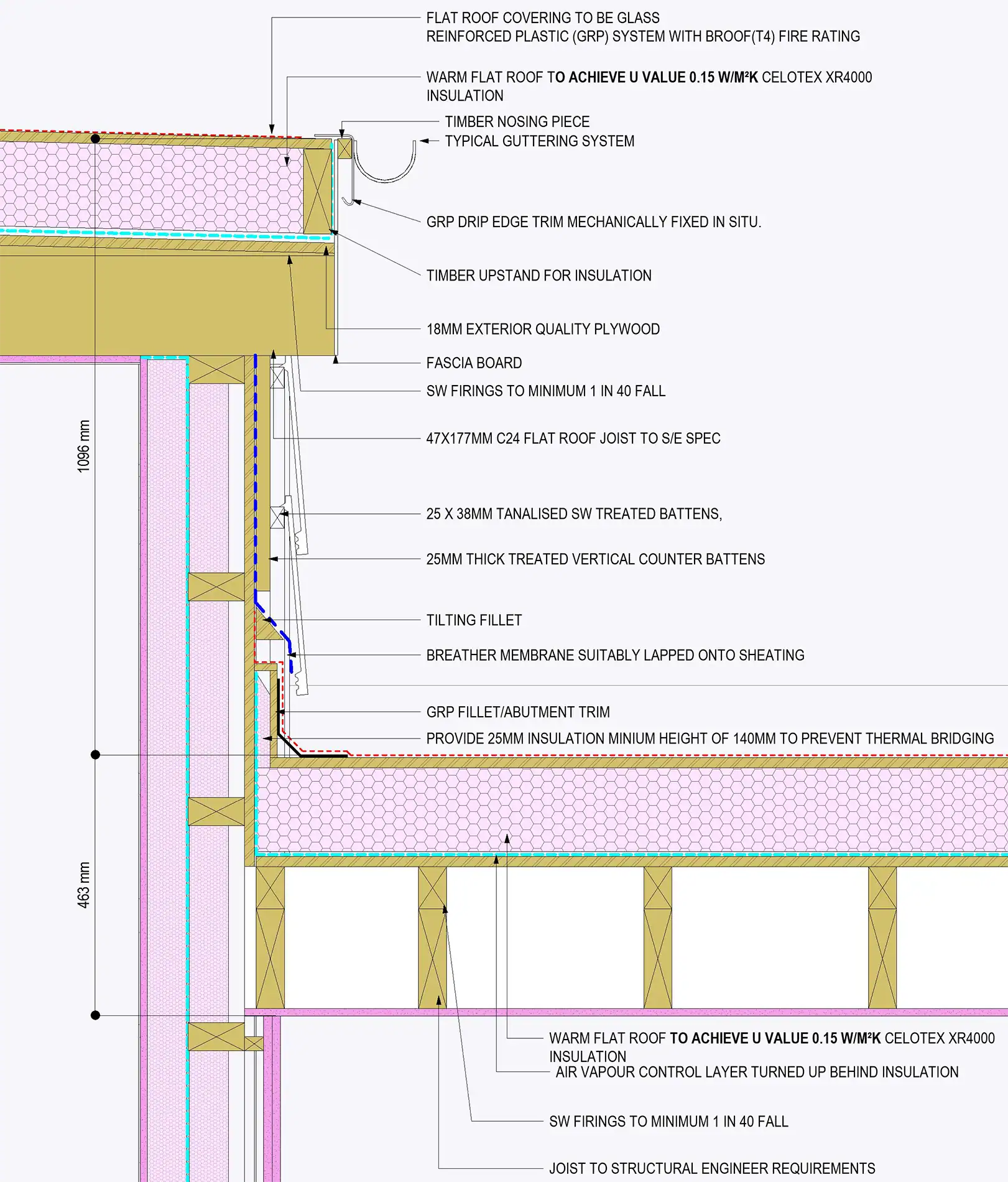
Building Regulation Drawings vs Planning Drawings: Understanding the Difference Between Planning and Building Control
Summary not available. Please add an excerpt manually.
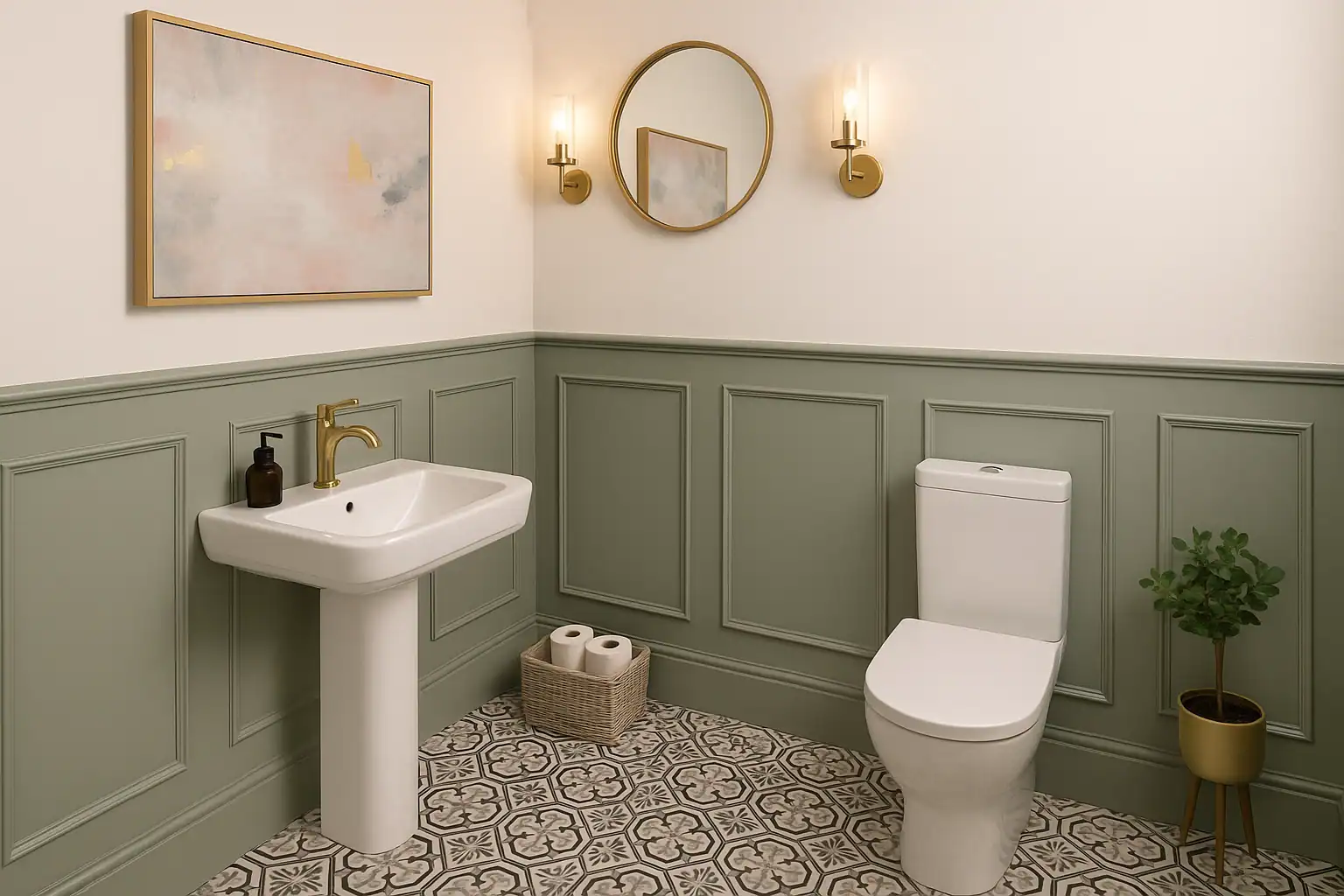
Installing a Downstairs Toilet bathroom: Complete Building Regulation Guide
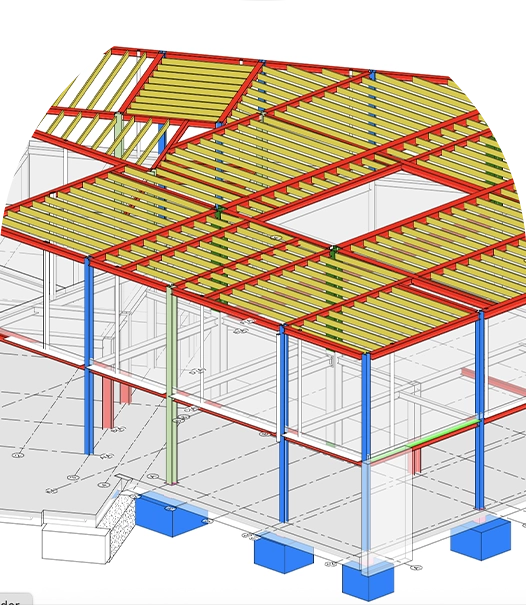
Structural Engineer Drawings vs Building Regulation Drawings: A Simple Guide
The History of Building Regulations and Building Control
Building Regulations Part A Structure: Complete Guide to Approved Document A 2025
A Guide To Domestic Stairs: UK Building Regulations Part K
Loft Conversion: UK 2025 Building Regulation, Planning & Fire Safety
Summary not available. Please add an excerpt manually.