
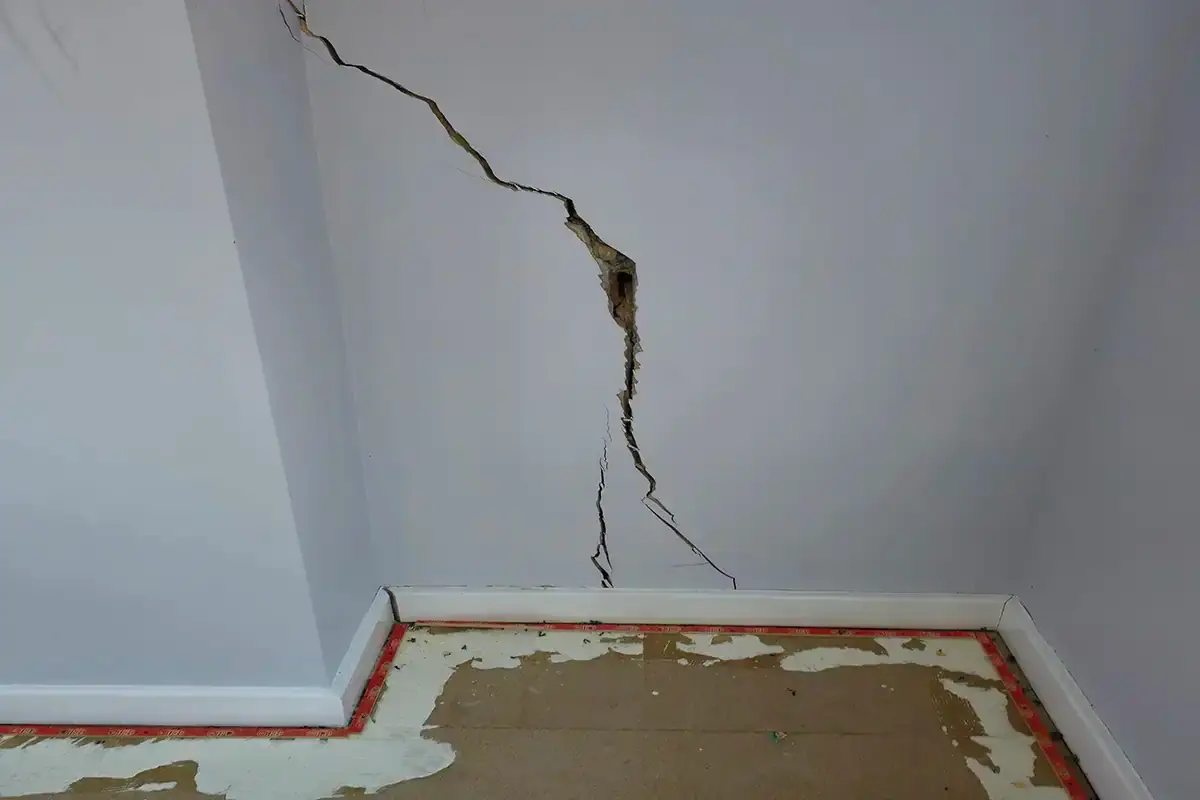
Subsidence is one of the most serious problems a property can face. If you’ve noticed cracks appearing in walls, doors that won’t close, or uneven floors, you could have a subsidence issue. Spotting the warning signs early is the best way to protect your property and avoid a huge repair bill.
At AC Design Solution, our structural engineering services cover everything from subsidence assessments to full foundation repairs across London and the Home Counties. This guide covers how to spot signs of subsidence and your options if you suspect a problem.
What Is Subsidence?
Subsidence occurs when the ground beneath a building shifts or washes away, causing the foundations to become unstable. It occurs when the ground beneath can no longer support the weight of the building above. When the ground beneath a building sinks, the foundations move with it. That stress causes subsidence cracks, sticking doors, and warped window frames.
Subsidence is not the same as settlement. Settlement happens naturally in new homes as the soil under your property compresses over time. Subsidence involves ongoing ground movement that gets worse without treatment. Where subsidence is ongoing, acting early always costs less.
How Much Does Subsidence Devalue a Property?
Industry estimates suggest properties with subsidence can lose 20% to 25% of their market value, and the Association of British Insurers advises homeowners to contact their insurer as soon as they suspect a problem. Even after repairs, mortgage lenders often require specialist surveys before lending. Declaring subsidence when selling is a legal obligation. Failing to do so is treated as misrepresentation.
What Is the Cause of Subsidence?
Several factors can trigger ground movement beneath a building. The most common causes of subsidence in the UK are:

Clay soil shrinkage. Clay soil is the single biggest cause of subsidence in London and the South East. During long periods of dry weather, clay shrinks and pulls away from the foundations, causing cracks to appear in walls and around openings.
Tree roots. Large trees close to your house pull water from the soil until it can no longer carry the weight of the structure. Tree root activity can disturb the ground beneath a property with no visible surface warning.
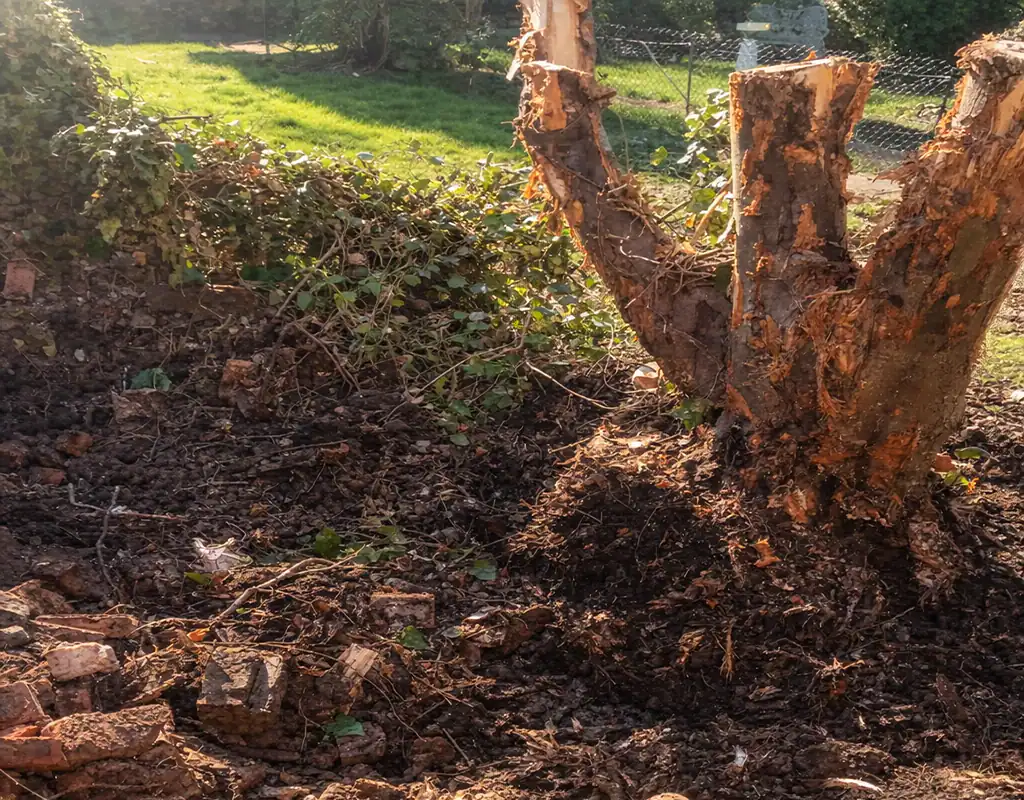
Leaking drains. This form of subsidence occurs when water from leaking drains and water mains washes away the particles that hold soil together, creating underground voids. The ground can then give way and subside.
Poor drainage and gutter defects. Blocked gutters let water pool at the base of a property, saturating the soil and making it easier for the ground beneath a building to shift.
Is My Home at Risk of Subsidence?
Your home may be at elevated risk if it sits on clay soil, has large trees growing close by, has old clay-jointed drainage, was built before the 1970s, or has gone through long periods of dry weather recently. If you’re buying a property in one of these areas, always get a full structural survey. It is far better to find a subsidence risk before you complete than to cover the cost of repairs after purchase.
How to Spot Signs of Subsidence
Learning to spot subsidence early can cut the cost and complexity of repairs. The signs of subsidence range from obvious structural movement to subtle seasonal changes in how doors and windows behave.

How to Spot Subsidence Cracks in Walls
The first sign of subsidence most homeowners notice is cracks appearing in walls. Subsidence cracks tend to be diagonal, often at 45 degrees from door or window corners, wider at the top than the bottom and wider than a 10p coin at their widest point. Hairline cracks and minor cracks under 0.5mm are unlikely to mean a subsidence problem. What you are looking for are cracks in walls that open during periods of dry weather and close slightly when wet. If cracks can appear and disappear with the seasons, ground movement is almost certainly involved.
Doors and Windows Sticking
When ground movement causes part of a building to sink, door and window frames go out of square. You will notice doors that won’t latch, windows that jam, or gaps between frames and walls. This is a telling warning sign of subsidence because it shows the whole structure is moving, not just a surface issue.
Sinking Floors, Leaning Walls, and Extensions Pulling Away
Sinking floors, leaning walls, and extensions pulling away from the main house are all serious subsidence signs. If you’ve recently had a load-bearing wall removal carried out, any new cracking near that area should be assessed promptly.
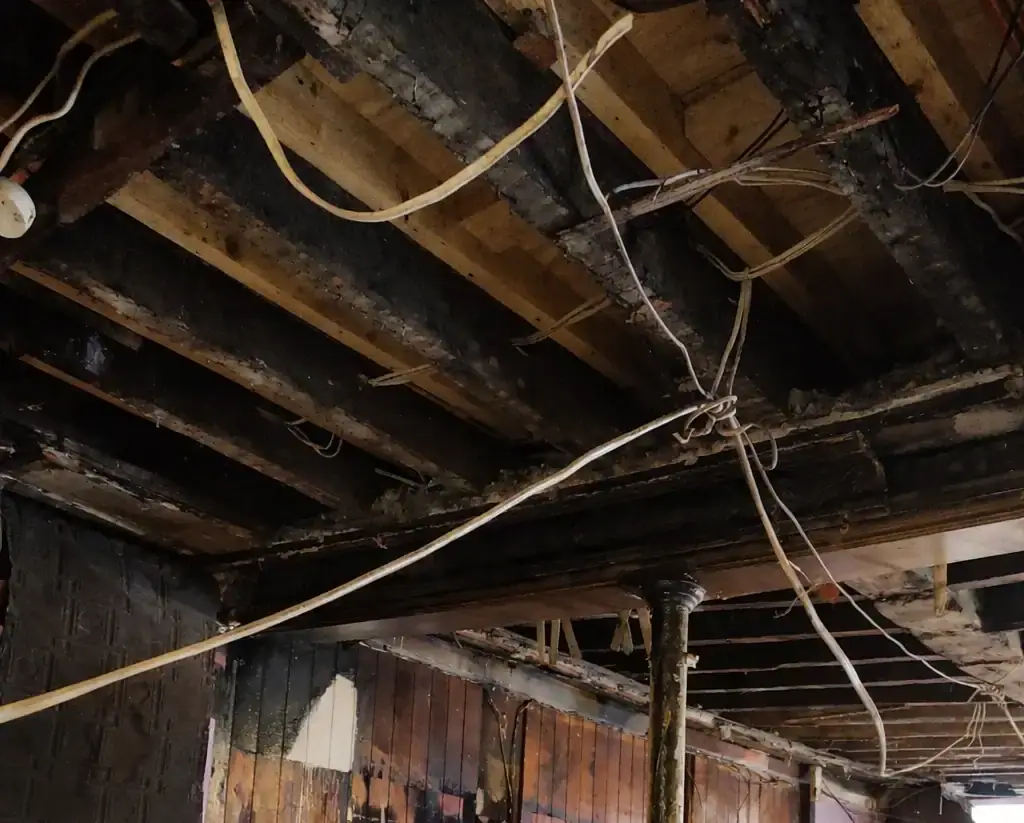
What Else to Look Out For: Heave, Landslip, and Settlement
Heave is the upward movement of ground beneath a building, usually caused by clay swelling after a tree is removed. Landslip is the sideways movement of soil on slopes. Settlement is the gradual natural compression of soil under a new structure. All three can produce cracking similar to subsidence but need different fixes.
How to Prevent Subsidence
Keep large trees well away from your home and get professional advice before removing mature trees close to the property. Fix any leaking drains as soon as you spot signs of a problem and keep gutters clear. Monitor minor cracks with dated photos over several weeks. The longer you leave it, the more it costs to get property stable again.
How to Fix Subsidence and What Does a Subsidence Survey Involve?
A house structural engineer will carry out a subsidence survey, inspecting crack patterns, reviewing soil type and nearby trees, and recommending CCTV drain checks or trial pit excavation where needed. Common repairs include underpinning, resin injection, drainage repair, and tree management. At AC Design Solution, our structural engineers assess cases of subsidence and produce full structural drawings and calculations for building regulations sign-off.
Subsidence repair costs range from £500 to £1,500 for a survey to £15,000 to £40,000 or more for full underpinning of a semi-detached house. Subsidence is expensive to fix, but the damage caused by subsidence left untreated is far greater.
Where underpinning works come close to or affect a neighbouring property, you will need a party wall agreement in place before work begins. Our party wall surveyor can handle this alongside the structural work, keeping everything on one project.
Does Buildings Insurance Cover Subsidence?
Most standard buildings insurance policies cover subsidence, heave, and landslip. If you suspect subsidence, contact your insurer as soon as possible.
Making a Subsidence Claim
When making a subsidence claim, your insurer will appoint a loss adjuster and specialist surveyor to assess the damage. Insurers generally monitor the property over one or two seasons to confirm whether subsidence is ongoing before committing to repairs. You can appoint your own structural engineer for an independent assessment to ensure your property gets a fair evaluation.
Suspect Subsidence? Get in Touch
If you suffer from subsidence or suspect ground movement in your property, don’t wait. The sooner you spot subsidence and act, the more options you have and the lower the bill.
AC Design Solution’s structural engineers carry out subsidence surveys across London, Essex, and the Home Counties. With over 10,000 UK projects delivered, our team will give you a clear, honest assessment and the most cost-effective path forward.
Get in touch to arrange an assessment, or explore our structural engineering services for the full range of support we provide.
Frequently Asked Questions
What is the difference between settlement and subsidence?
Settlement is the natural compression of soil under a new building and is rarely damaging. Subsidence occurs when ground movement is caused by clay shrinkage, leaking drains, or tree root activity and is often progressive without treatment.
What are the early signs of subsidence?
Diagonal cracks at door or window corners that are wider at the top, doors and windows sticking, sinking floors, and extensions pulling away from the main structure.
What can be mistaken for subsidence?
Thermal movement, new plaster shrinkage, and normal settlement in new homes can all cause minor cracking that looks like subsidence. A structural engineer’s assessment is the only reliable way to confirm the cause.
Can a house with subsidence be repaired?
Yes. The vast majority of cases of subsidence can be fixed. Once repaired with no further movement over a monitoring period, the property can be sold and mortgaged in most cases.


