

What Are Building Regulation Drawings?
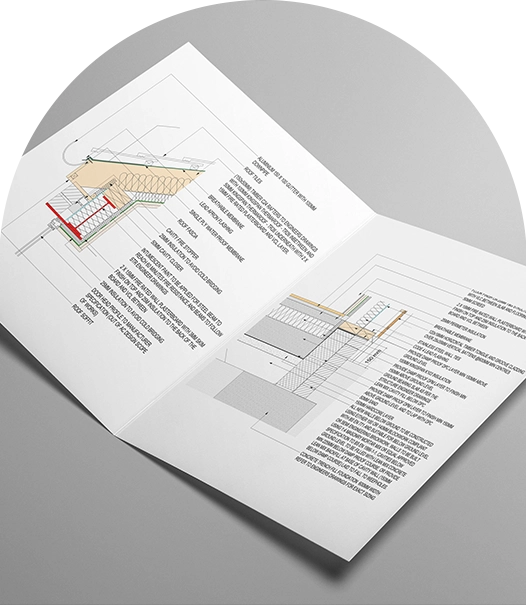
Building regulation drawings are detailed technical drawings and specifications for your construction project. They show your local authority building control that your build meets UK safety standards. This complete guide to building regulations drawings covers everything you need.
We’ll explain real examples, specifications, checklists, and approval steps. You’ll learn what’s needed for extensions, loft conversions, and new build projects. Every section covers the level of detail required for domestic building work.
Understanding Building Regulations and Technical Requirements
Building regulation drawings prove your project follows relevant building regulations. These building regulations drawings show structure, insulation, fire safety, and drainage. They make sure your home extension or new build is safe and compliant.
You need building regulations drawings for most building work. This includes structural changes, drainage, and electrical work. The drawings for building control also cover fire safety matters. These detailed technical drawings turn your architect’s ideas into clear construction notes.
The drawings give exact specifications to building control. They show you meet building regulations standards. These cover Parts A through P of the Building Regulations. Each part of the building has specific requirements to comply with.
What Building Regs Drawings Include
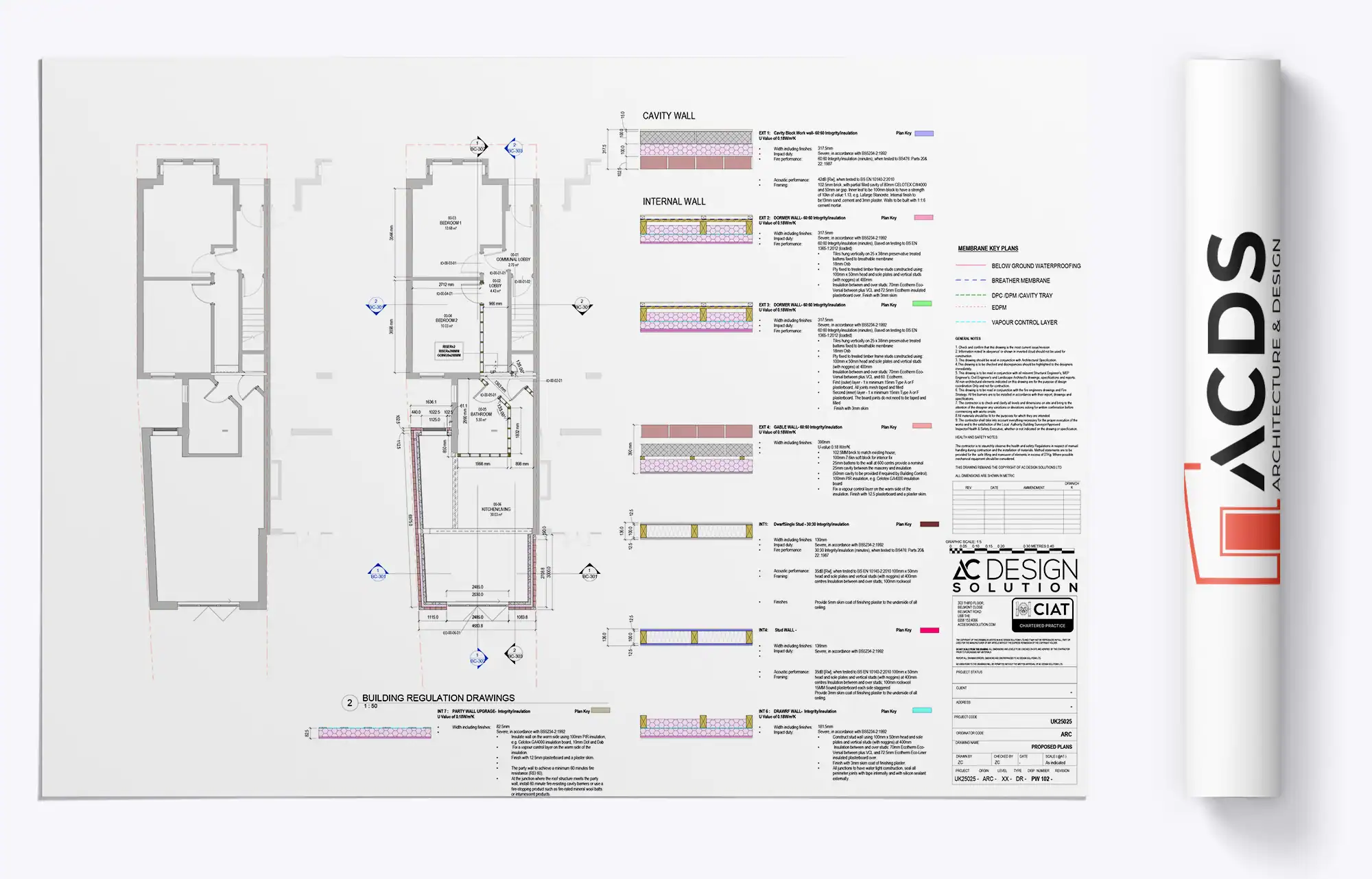
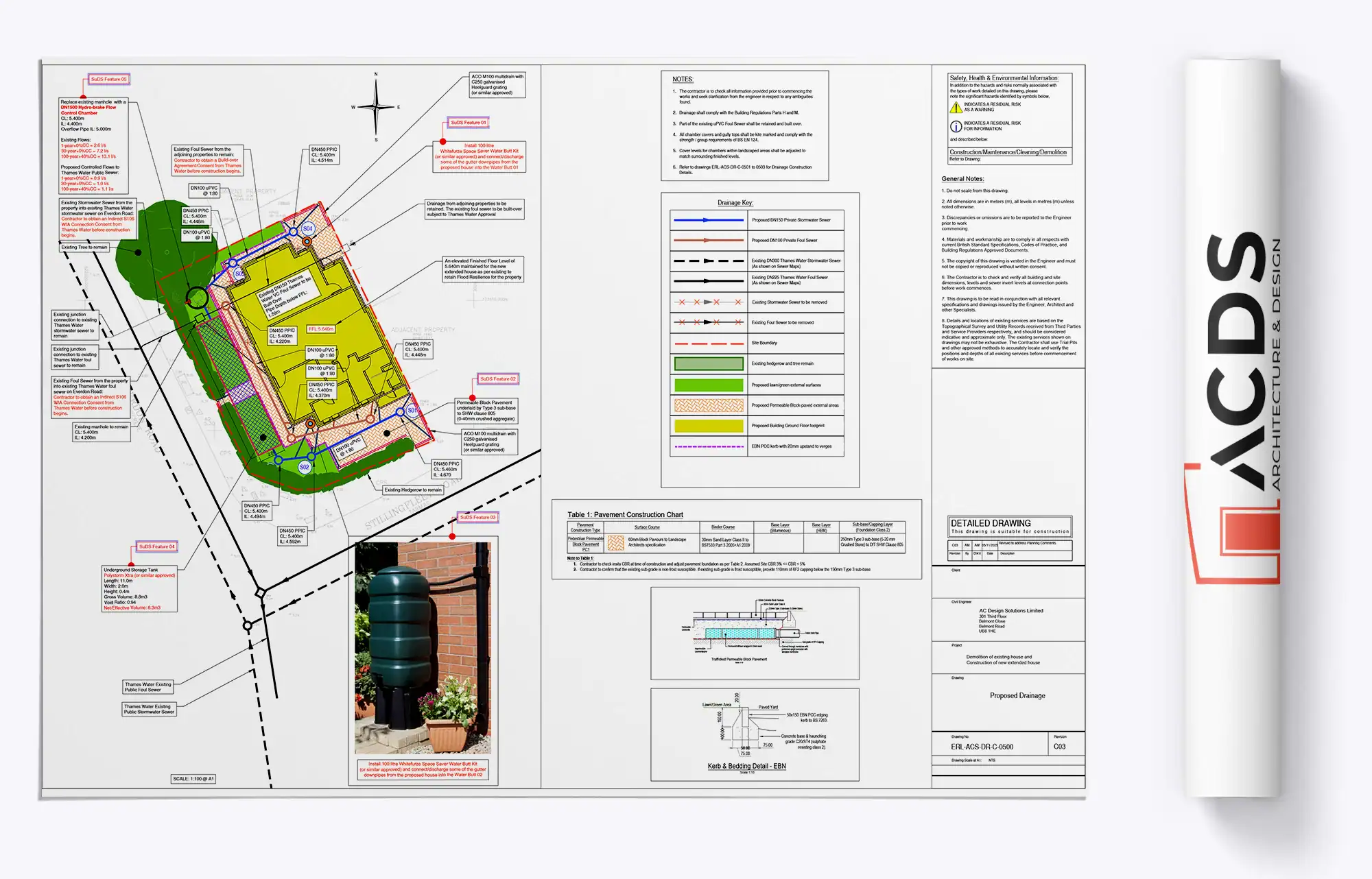
Building regs drawings aren’t simple sketches. They contain exact measurements and material specifications. They show technical details and structural drawings with calculations. The drawings include clear building regulations notes about compliance.
These detailed building control drawings become legal documents. They’re part of your property’s permanent records. You’ll need them for future sales or insurance claims. Keep this set of construction drawings safe after your project finishes.
Planning Drawings vs Building Regulations Drawings
Many people mix up planning drawings and building regulation drawings. They serve different purposes in the UK system. Planning permission decides if you can build based on appearance and layout. Building regulations check that construction drawings meet safety standards.
Key Differences Between Planning Drawings and Building Control Documentation
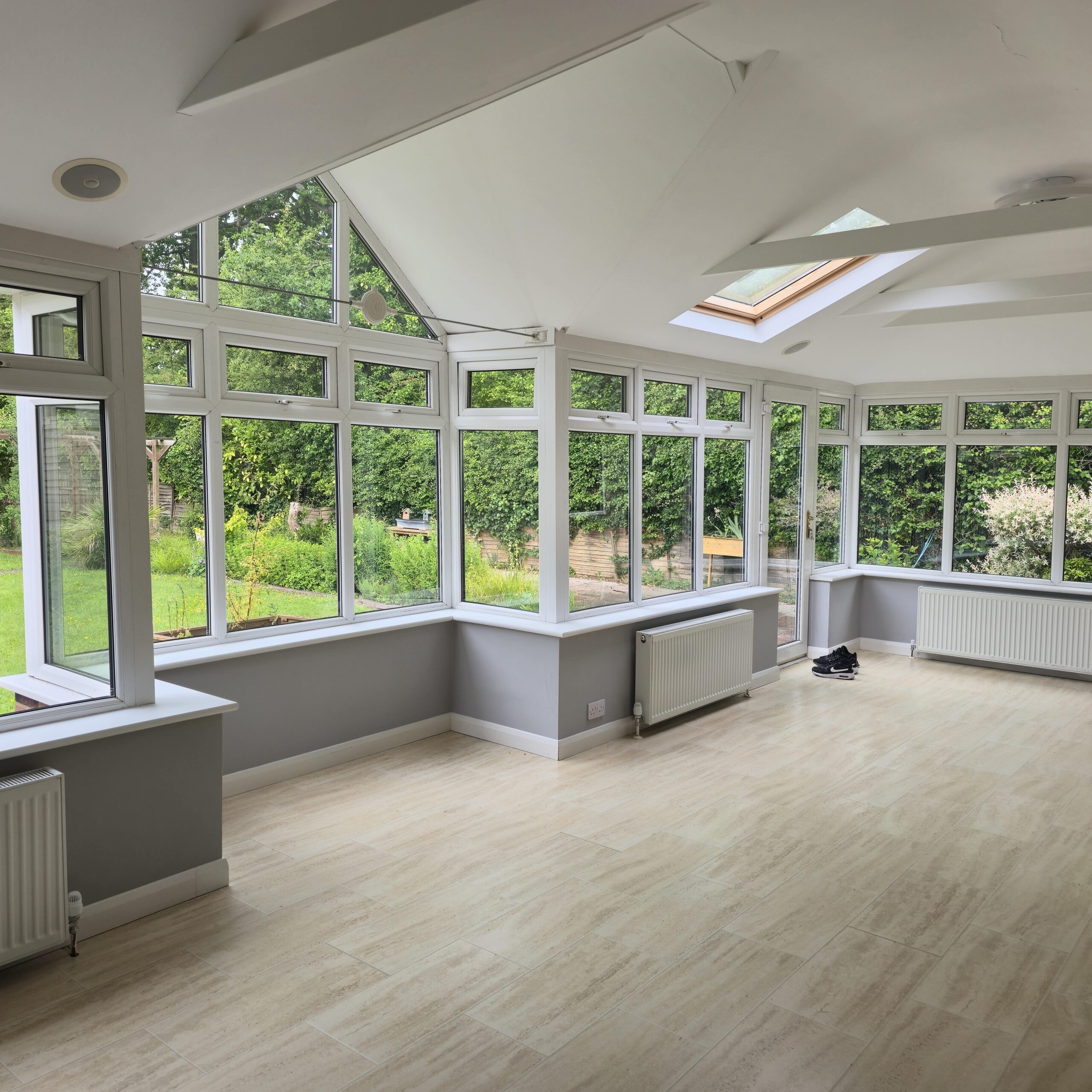
Planning drawings show how your project looks from outside. They show size and position on your land. They help councils see impact on neighbours. Planning drawings typically include floor plans at 1:50 or 1:100 scales.
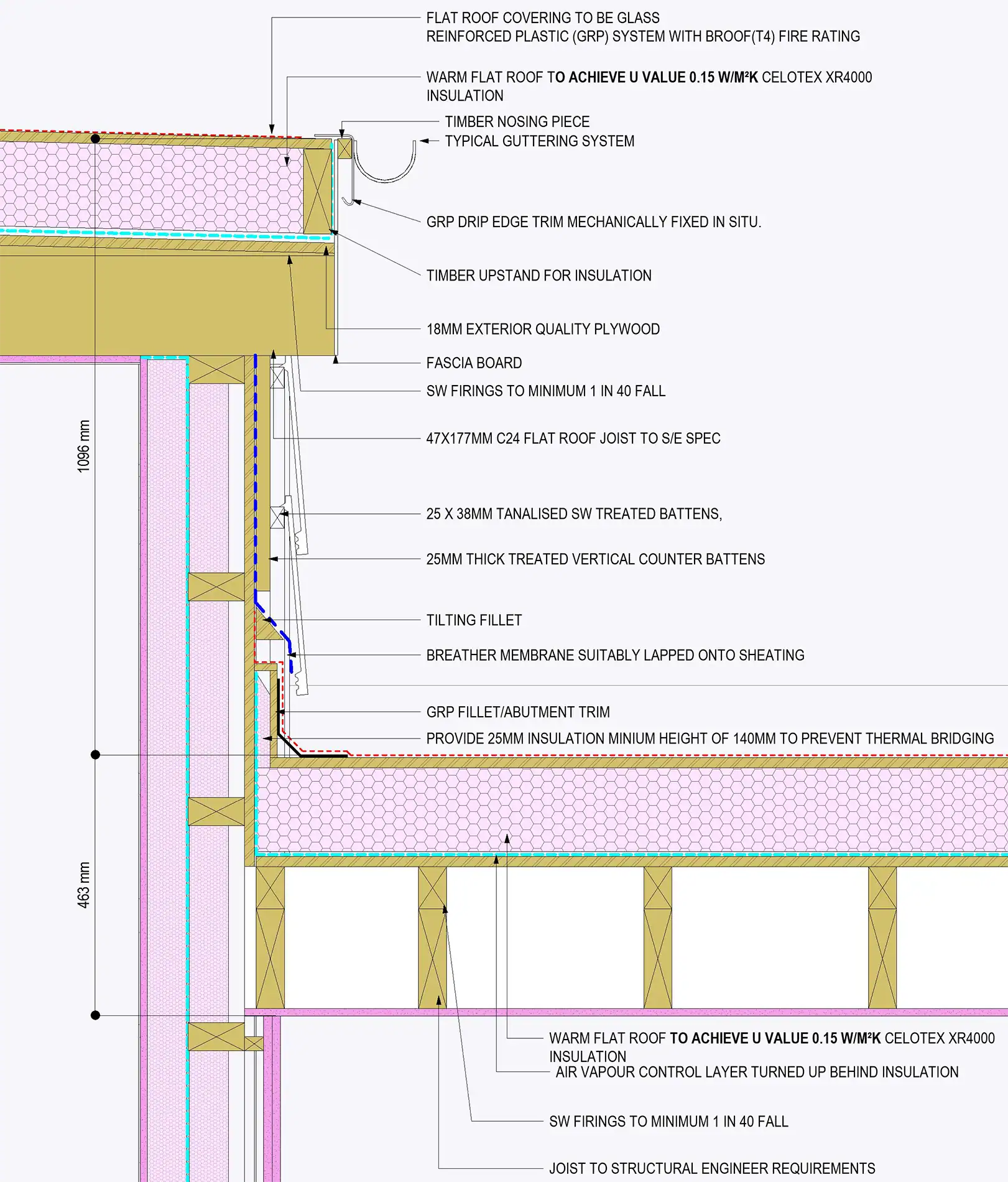
Building regulation drawings show hidden technical details. They specify beam sizes and insulation thickness. Foundation depths and building methods are shown clearly. These construction drawings include fire-resistant materials and sound insulation. They use detailed scales of 1:5 or 1:10.
The approval processes differ completely. Planning permission includes public consultation. Neighbours can object based on visual impact. Building regulations approval through your local authority building control is purely technical. Neighbours can’t object to building control applications.
Do I Need Building Regulations Approval?
Most building work needs building regulations approval. This applies even without planning permission. Permitted development projects still need building control approval. Every home extension needs proper documentation. Always check before starting work.
Types of Building Work Requiring Approval
You need building regulations for:
- Any size extension
- Loft conversions
- Garage conversions
- Removing load-bearing walls
- New build projects
- New windows
- New electrics
- Building use changes
- Foundation work
- Roof structures alterations
Building Work Exempt from Building Regulations
Some small jobs don’t need approval:
- Detached garages under 30m² (not for sleeping)
- Conservatories under 30m² with separation
- Porches under 30m² with external doors
- Kitchen or bathroom updates (same layout)
- Basic repairs and maintenance
Check with your local authority building control department if unsure. They’ll confirm what needs approval for your project.
Recent Changes to Building Regulations in the UK
Building Regulations changed after Grenfell and climate concerns. The Building Safety Act 2022 brought stricter construction rules. It added more checks for high-risk buildings. These changes affect all new build projects and extensions.
Part L needs better insulation specifications and less energy use. Part F increased fresh air requirements. Part O added overheating prevention rules. Fire safety rules for roof structures are stronger now. These cover escape routes, sprinklers, and fire compartments.
How to Get Building Control Approval
You have three ways to get building regulations approval. Each route works best for different projects and timelines. Your architect or surveyor can advise which suits best. Choose based on the size and complexity of your build.
Full Plans Application Process
Full Plans application gives certainty before you start building an extension or new build. You send detailed building regulation drawings to the local authority building control department. They check them against all relevant building regulations. This full plans application process takes 5–8 weeks.
Benefits of full plans:
- Approved drawings before building
- Less risk of non-compliance
- Clear records for selling
- Contractors know requirements
- Peace of mind before starting
Building Notice Application Route
Building Notice lets you start 48 hours after submitting a building notice application. It works for small home extension projects with experienced builders. Your builders must know compliance with building regulations well.
There’s no advance plan approval with a building notice. Site inspections check compliance during work. You can’t use building notice for structural work. It doesn’t suit projects where drawings requires calculations.
Private Approved Inspector Route
A private approved inspector offers an alternative to councils. The department or an approved inspector can handle your submission. They offer pre-application advice. They’re flexible with inspection times. Communication is often easier.
Building Control Submission Requirements
A complete building control submission prevents delays. Get your drawings package right first time. Missing specifications slow approval. The drawings must clearly show all requirements.
Essential Documents for Building Control Application
Your building control application needs:
- Application forms
- Location plan
- Current and proposed floor plans
- Detailed technical drawings
- Cross-sections
- Construction details and notes
- Fresh air strategy
- Insulation specifications
- Fire safety plan
- Drainage layout
- Structural drawings from engineer
What Your Building Regulations Drawings Must Show
Building regulation drawings must prove compliance with building regulations in:
- Structure and support systems
- Fire escape routes
- Weather protection
- Sound barriers
- Heat retention specifications
- Air flow systems
- Roof structures details
Each drawing shows how you’ll meet building regulations. The drawings ensure compliance with Approved Documents. The level of detail required depends on project complexity.
Preparing Building Regulations Plans for Different Project Types
Different building work needs different drawings. Preparing building regs plans takes time and expertise. Your architect creates these detailed building documents. Let’s see what each project needs.
Building Regulations Plans for Extensions
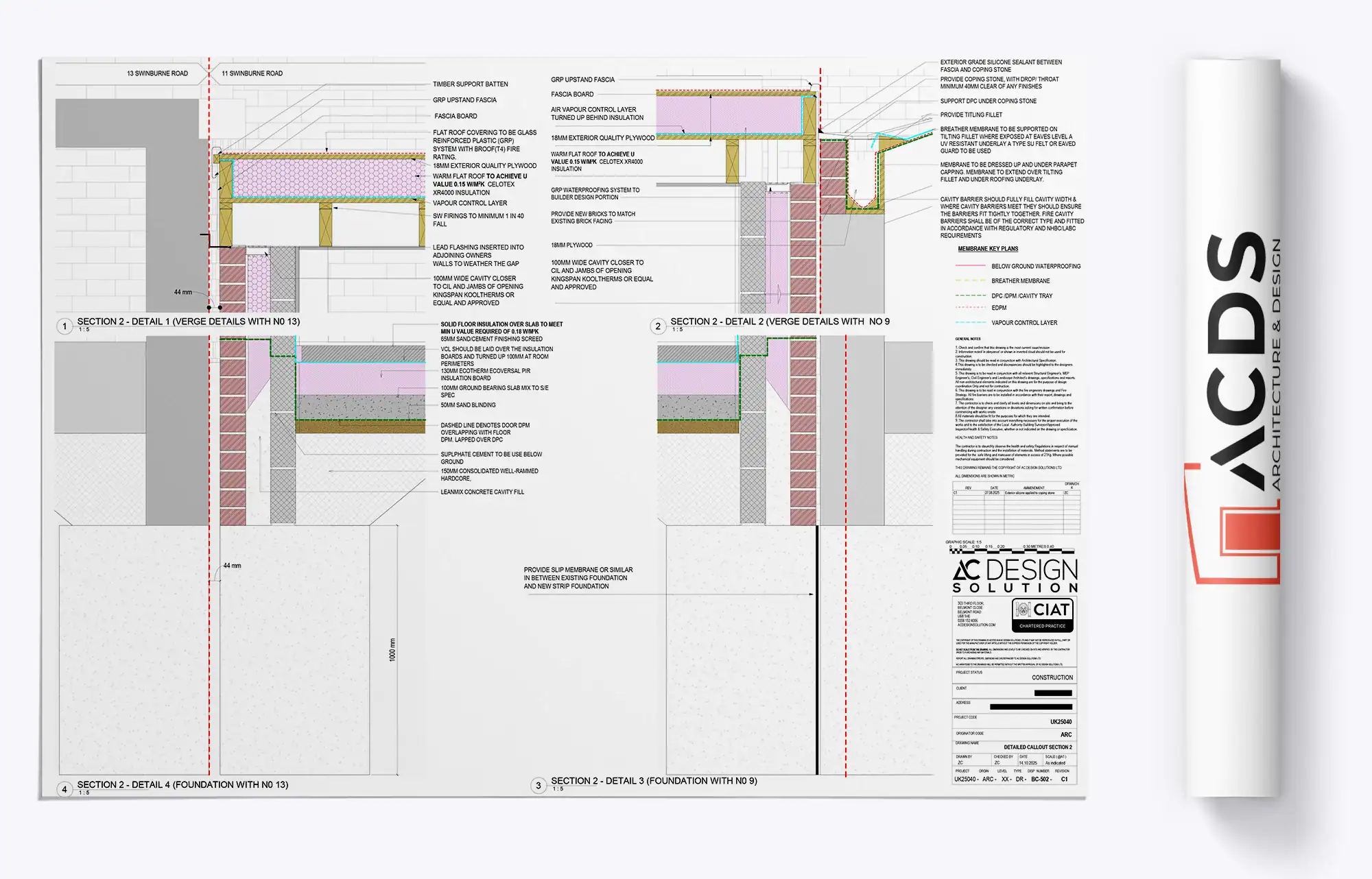
Extension drawings show where old meets new. They detail safe building connections. The drawings come with specifications for materials and methods. Align plans with existing structure carefully.
Key extension items:
- Foundation depths and specifications
- Wall construction details
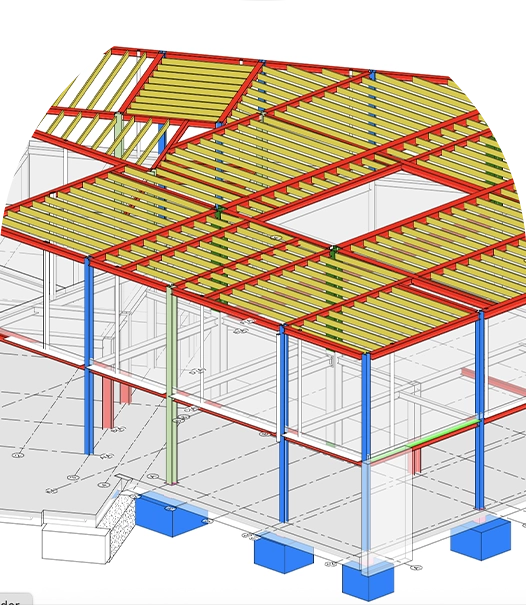
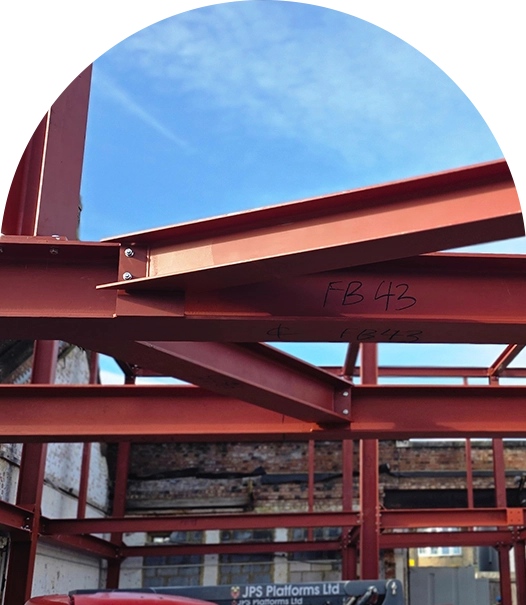
- Steel beam layout
- Insulation specifications
- Drainage connections


Building Regulations Plans for Loft Conversions
Loft conversion drawings show:
- New floor structure and joists
- Extra support needed
- Dormer construction
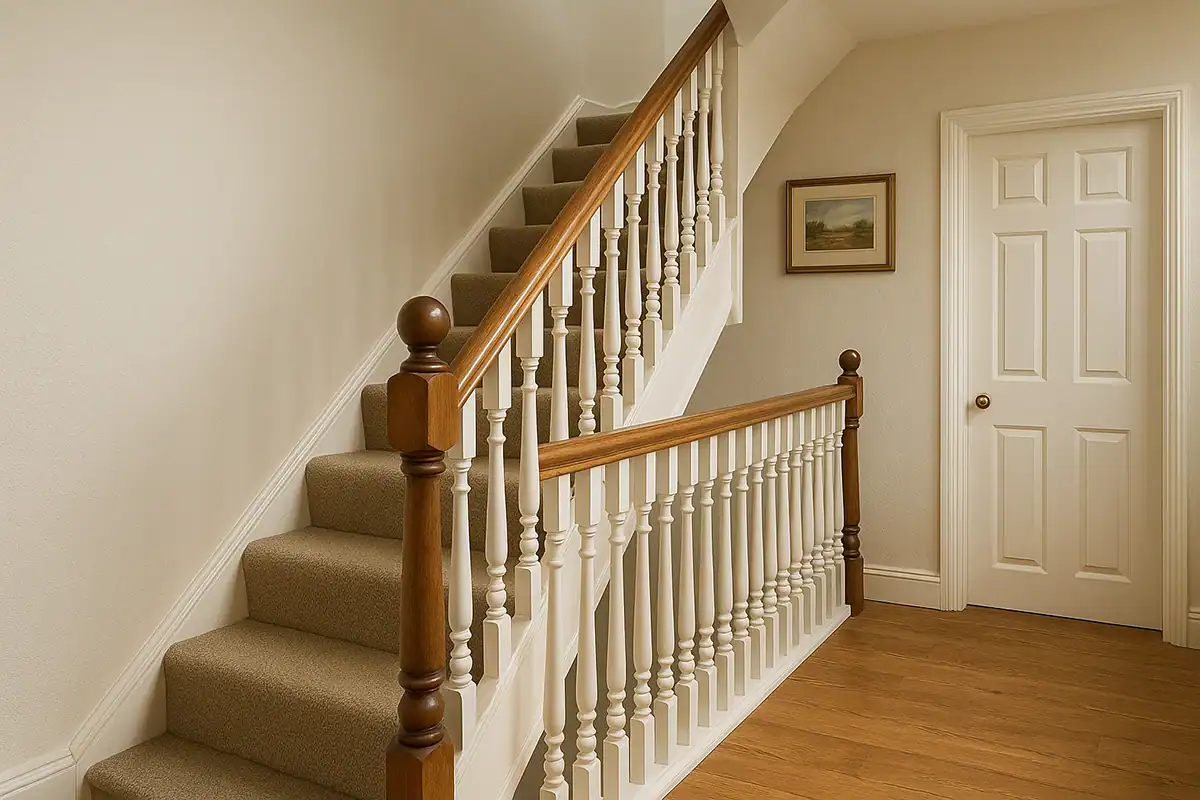
- Stairs that comply with building regulations
- Sound insulation specifications
These help building control check your plans. Each element needs careful detailing. The complexity of the project affects detail needed.


Building Regulations Plans for Property Conversions
Property conversions need:
- Fire separation details
- Escape routes clearly marked
- Sound barrier specifications
- New drainage systems
- Fresh air systems
The size and complexity affects detail required. Larger conversions need more comprehensive building regs plans.
Building Regulations Plans for New Builds
New build projects need the most information:
- Foundation design and specifications
- Main structure details
- Roof structures comprehensive plans
- Air systems specifications
- Energy efficiency calculations
- Green technology integration
These create a complete guide for builders. Every part of the building needs full documentation.
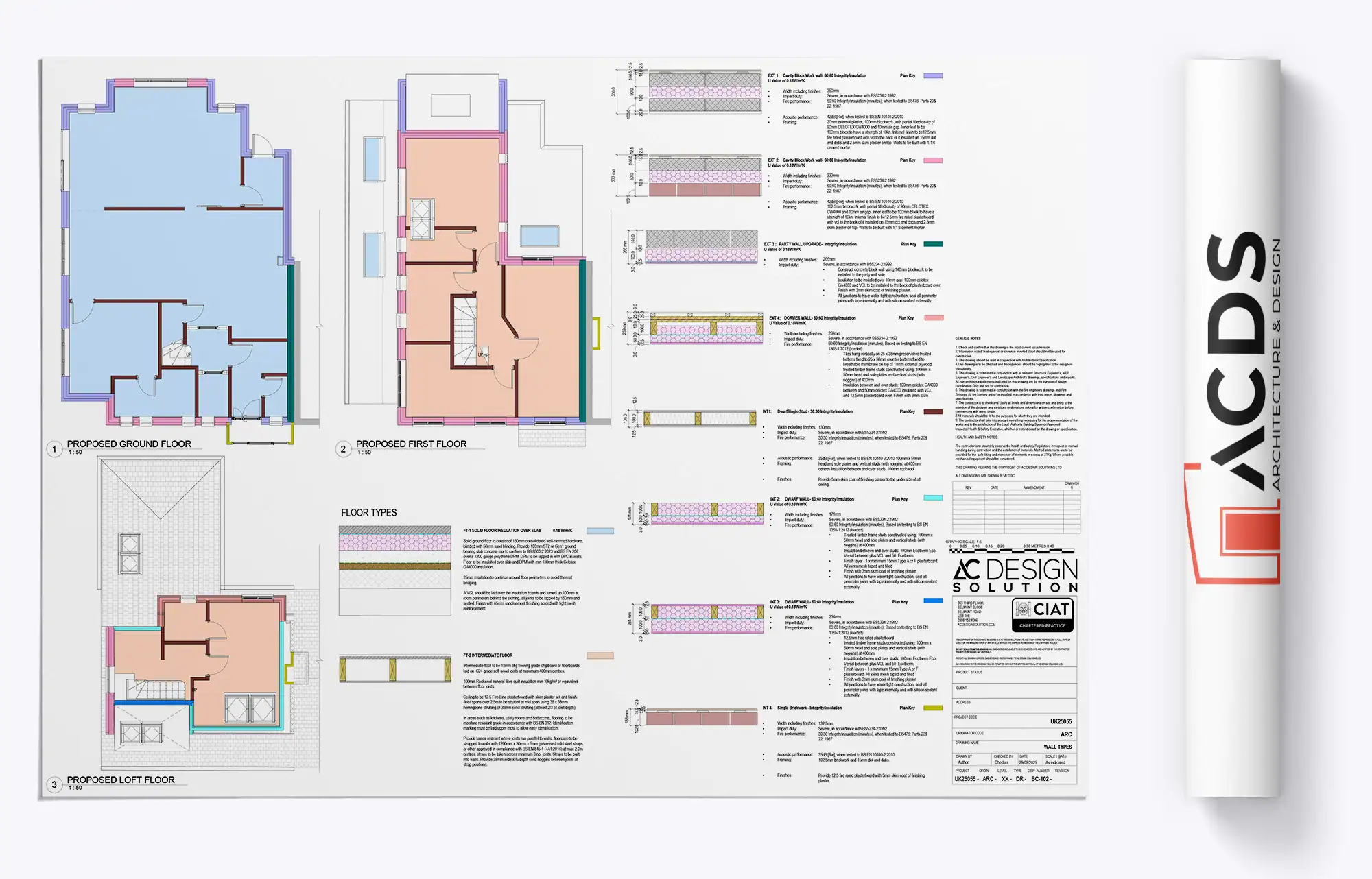
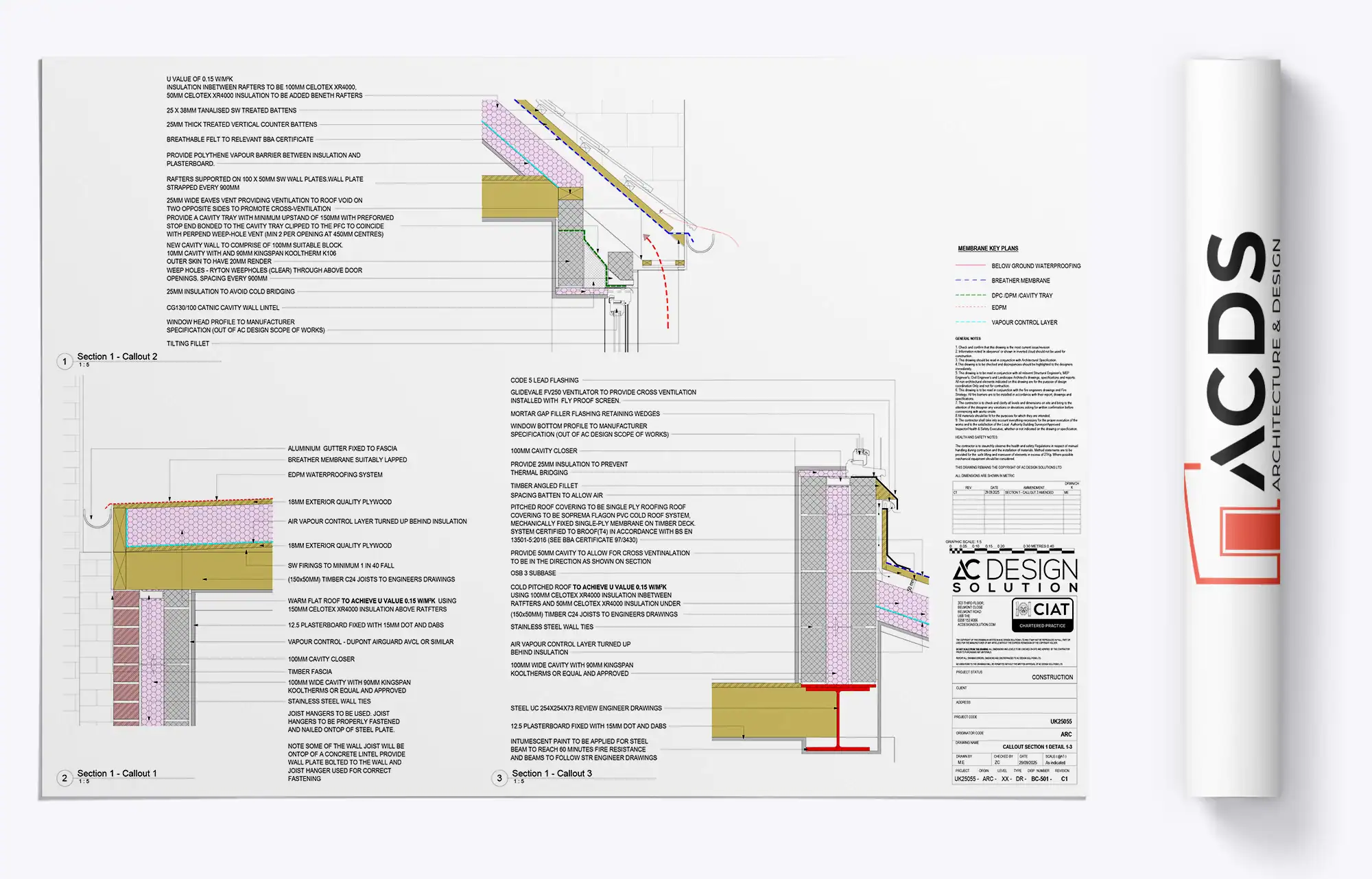
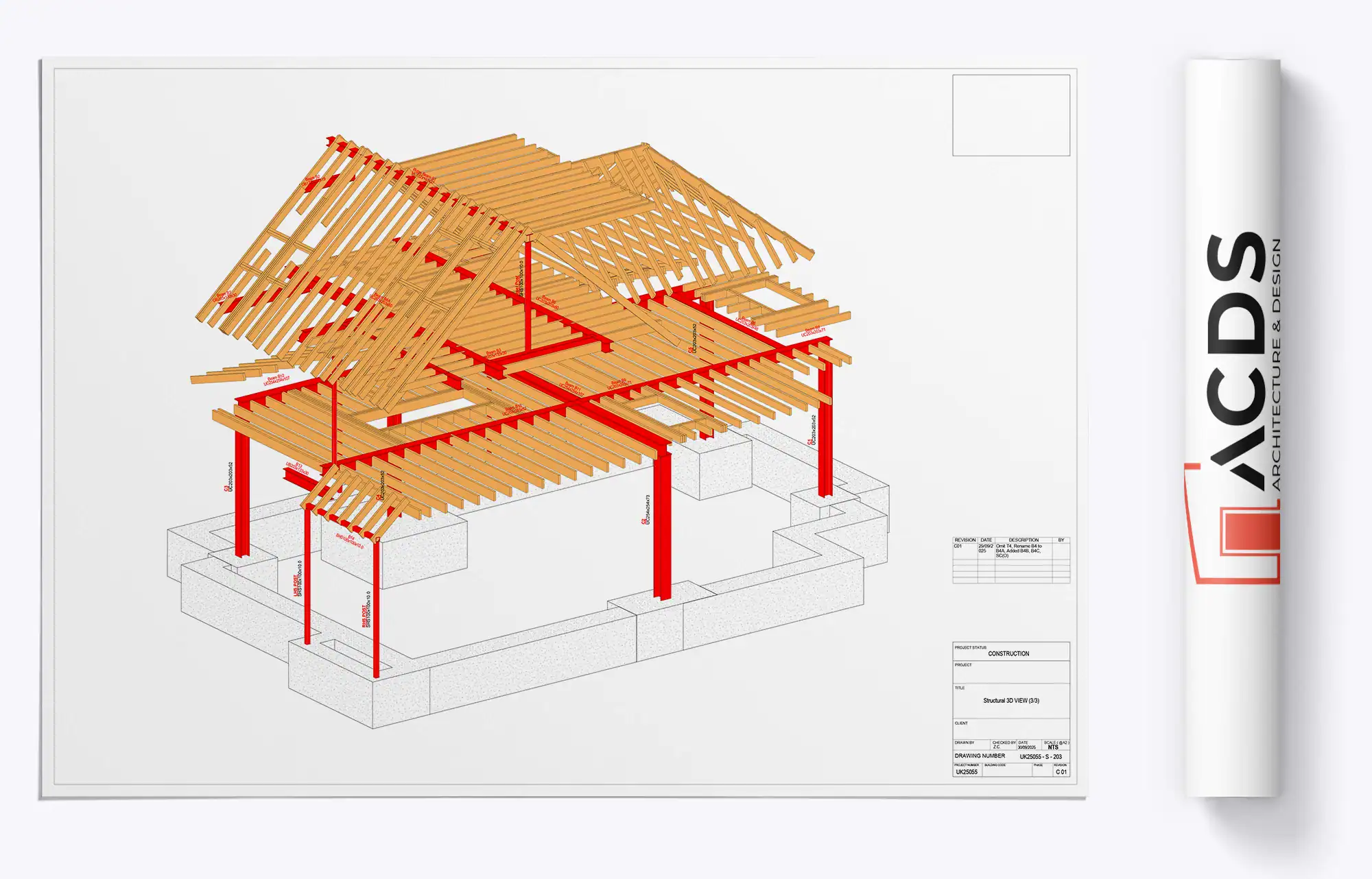
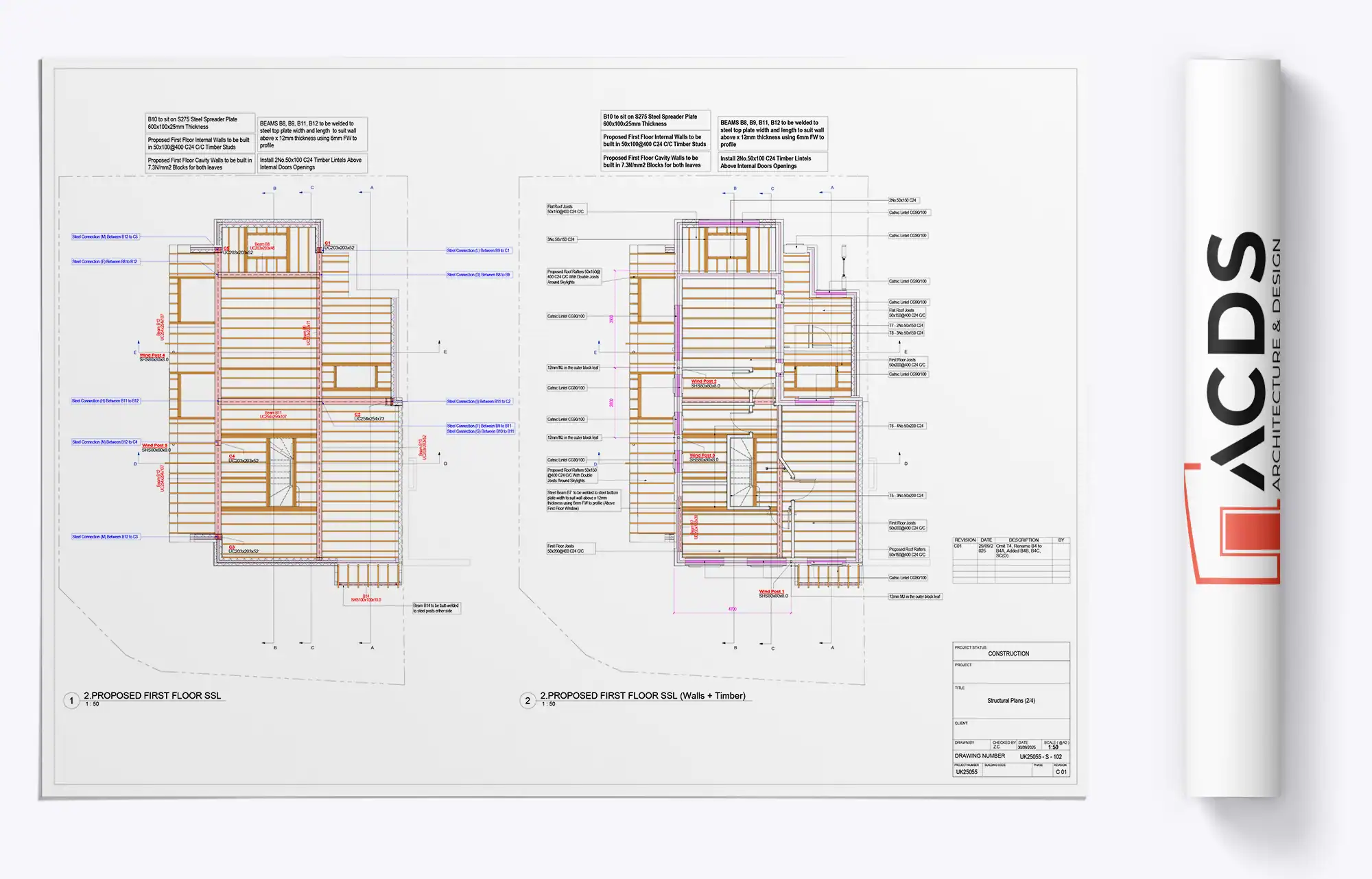

We prepare clear planning, structural, and building regulation drawings for every loft type. Accurate plans that help you secure approvals and give your builder everything they need.
Learn more about loft conversion drawings →Building Regulations Application Timescales
How Long Does Building Regulations Approval Take?
Approval timescales vary by route:
- Full Plans: 5–8 weeks
- Building Notice: Start in 48 hours
- Private approved inspector: 3–5 weeks
- Once started, approval lasts forever
What Happens Without Building Control Approval?
Starting without approval causes serious non-compliance issues:
- Legal notices stop work
- Tearing out finished work for site inspections
- Financial penalties apply
- Insurance won’t pay claims
- Can’t sell your property
Starting Building Work Without Notification
You must tell building control before starting work. Otherwise, you face legal problems and compliance with building regulations issues. Never start building an extension without notification.
Submitting a Building Notice After Work Has Started
Submitting a building notice retrospectively means:
- Creating new drawings
- Getting structural calculations
- Opening hidden work for site inspections
This costs time and money. Avoid non-compliance situations.
The Complete Drawings Package
Building regulation drawings aren’t full construction drawings. Your complete set of construction drawings needs both types. Construction drawings add builder detail beyond building regs drawings.
Construction drawings include:
- Setting-out information
- Fixing methods and construction notes
- Material lists and specifications
- Build sequence details
Building regs drawings prove compliance with building regulations. Construction drawings show building methods.
Building Regulations Drawings Cost Guide
How Much Does a Building Regulations Application Cost?
Building regulations application fees vary by size:
- Extensions: £400–£900
- Lofts: £450–£650
- New build: £750–£1,200
Professional Drawings Cost Breakdown
Building regulation drawings cost from your architect:
- Extensions: £800–£2,200
- Lofts: £1,000–£2,000+
- Conversions: £700–£4,000
- New build: £3,000–£10,000
The drawings cost reflects the complexity of the project.
VAT on Building Regulations Services
Most home extension projects pay 20% VAT. New build projects might get zero VAT on work. Professional fees from your architect or surveyor attract standard VAT. Check VAT rules for your project.
How Long Do Building Regulation Drawings Take to Produce?
Production times for building regulation drawings and specifications:
- Simple projects: 5–7 days
- Loft conversions: 7–10 days
- Complex new build: 15–20 days
Who Is Responsible for Notifying Building Control?
The homeowner always notifies the local authority building control department. This applies even if builders submit forms. Make sure paperwork is compliant and correct. Don’t rely on others.
When You Need a Structural Engineer
Structural Engineer Requirements
You need a structural engineer for structural drawings when:
- Steel beam design is needed
- Floor joist sizing calculations
- Roof structures changes
- Foundation work specifications
A structural engineer ensures compliance with building regulations. Their calculations support your building regulation drawings and specifications.
Have a Question About Building Regulations, Technical Design or Tender Packages?
AC Design Solution provides expert help with building regulations. We create your guide to building regulations drawings. We produce compliant building regs drawings and handle documentation. Our team combines architectural and structural engineering expertise.