
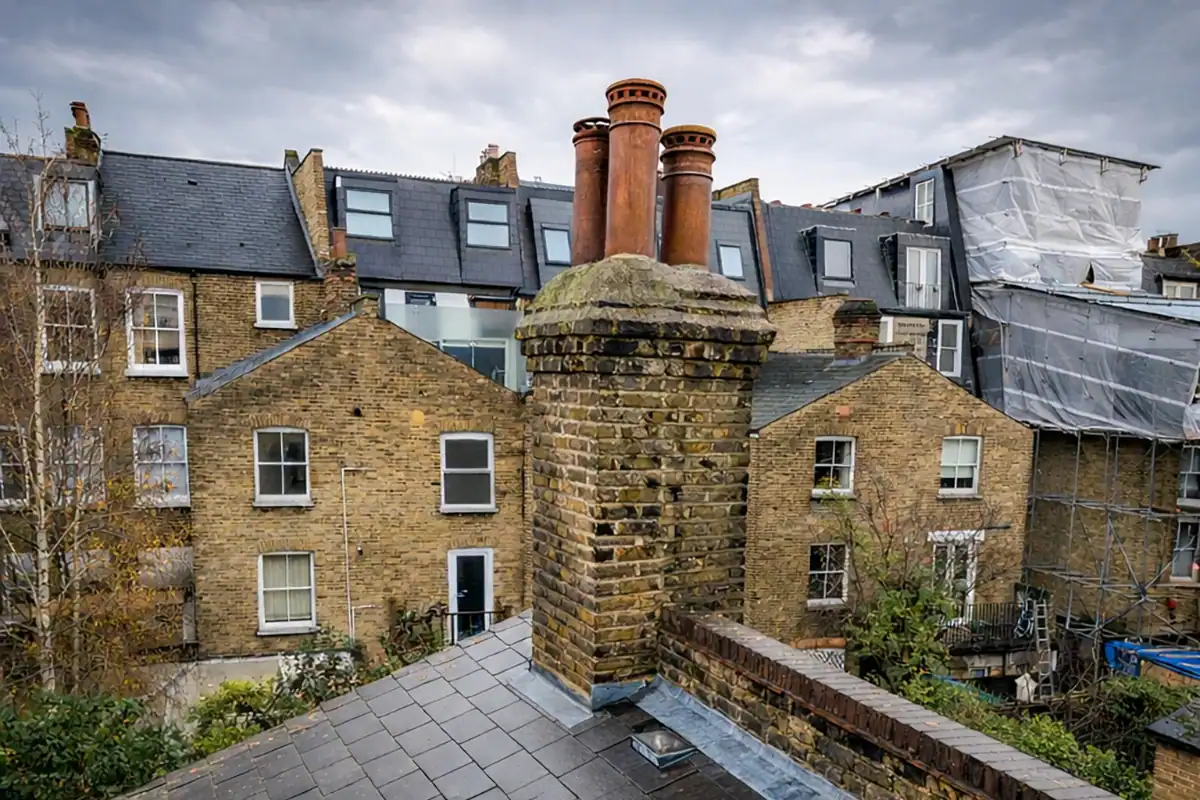
Converting a Loft in a Terraced House (2025)
If you’re looking to convert your loft in a terraced house, this is the complete guide you need. Whether you’re considering a terraced house loft conversion for the first time or you already know about loft conversions and want to understand your options in more detail, this guide covers everything you need to know about costs, planning, building regulations, design ideas, and more. Converting your loft is one of the smartest ways to add living space to your home without the disruption and cost of a single storey extension.
Why Are Terraced Houses Perfect for Loft Conversions?
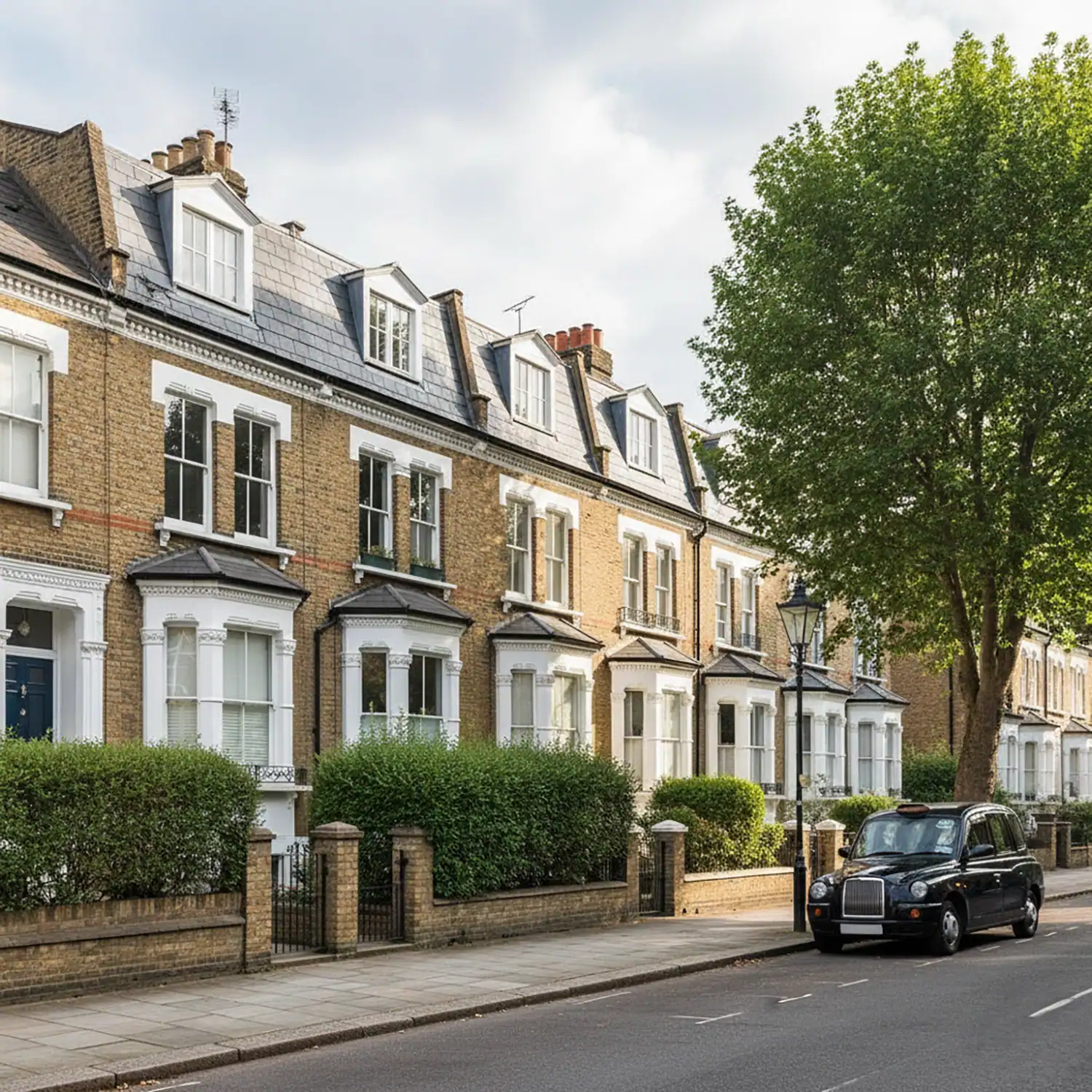
Terraced properties are among the most popular candidates for loft conversions in the UK. The type of roof on most terraces, a simple pitched form, makes the shape of the roof ideal for conversion. Many loft conversions in terraced houses also fall under Permitted Development, avoiding the need for a full planning application.
Adding a bedroom or home office can increase property value by 15–25%, making a loft extension a more cost-effective option than traditional house extensions in many cases. Use our build cost calculator to get an early sense of budget.
Can You Convert a Loft in a Terraced House?
In most cases, yes. Before committing to a loft conversion project, assess the following:
- Headroom: Minimum 2.2 metres from floor to ridge is required. If your existing loft is marginal on height, a dormer can resolve this.
- Roof structure: Modern trussed roofs require more structural intervention than traditional cut roofs found in Victorian terraces.
- Structural capacity: A terraced house loft conversion involves reinforcing the walls in the loft and floor. The new floor joists must provide adequate loadings to current Building Regulations standards. A house structural engineer will calculate the requirements.
- Access: Loft conversion stairs can almost always be accommodated with the right design approach.
Types of Loft Conversions (and What They’ll Cost)
Choosing the right conversion type depends on your budget, existing roof, headroom, and whether you’re in a conservation area. The cost of a loft conversion varies significantly depending on which route you choose. See our dedicated loft conversion drawings page for more detail on what’s involved at each stage.
1. Velux (Rooflight) Conversion
A Velux conversion is the simplest and most affordable option. Roof windows are installed into the existing roof slope. The conversion is constructed entirely within the existing loft already in place, with no changes to the roof profile. It generally falls under Permitted Development. Use our Permitted Development checker to confirm eligibility.
Cost: £15,000–£25,000
Best for: Lofts with existing headroom of 2.4m+. A great choice for a home office or guest room.
2. Rear Dormer Conversion
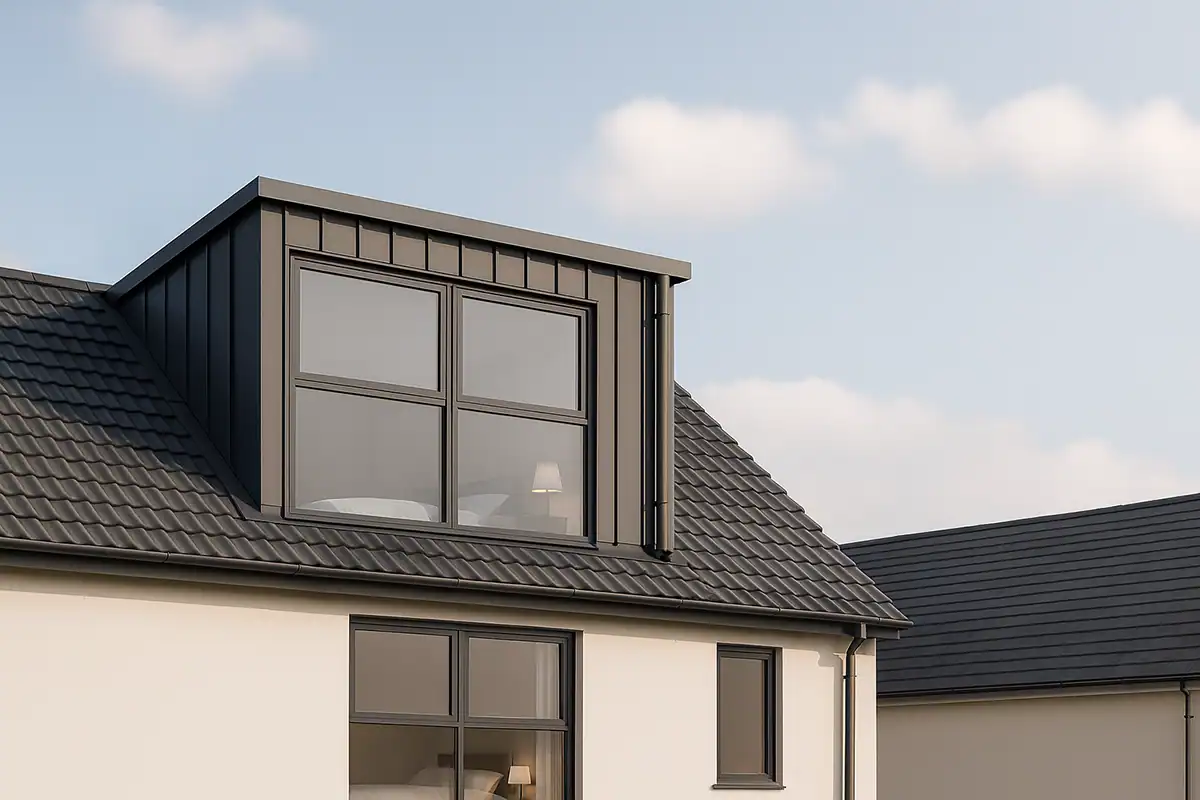
The most popular choice for terraced houses. A rear dormer loft conversion extends the rear roof slope, dramatically increasing headroom and usable floor space. Ideal for adding a double bedroom and a bathroom in your loft.
Cost: £35,000–£55,000
Planning: Usually Permitted Development, subject to volume and design criteria.
3. L-Shaped Dormer Conversion
Combines a rear dormer with a second dormer over the rear return. It is the most popular choice for Victorian terraces with a rear outrigger. A terraced house loft conversion of this type offers enough space for two bedrooms and a bathroom in your loft.
Cost: £45,000–£65,000
Best for: Victorian and Edwardian terraces seeking maximum new space and return on investment.
4. Mansard Conversion
A mansard loft conversion replaces the rear slope with a near-vertical wall and flat roof. The shape of the roof is significantly altered, which is why this conversion type almost always requires full planning permission. Common in London conservation areas where a standard dormer conversion might be refused.
Cost: £50,000–£80,000+
Best for: Conservation area properties wanting maximum usable floor space.
Do You Need Planning Permission?
Many terraced house loft conversions fall under Permitted Development rights, meaning no planning application is needed, provided:
- The loft extension does not exceed 40 cubic metres of additional roof space
- It is no higher than the existing roof ridge
- Side-facing windows are obscure-glazed and non-opening below 1.7m
- No balconies or raised platforms are included
- Materials match the existing house
You will require planning permission if your property is in a conservation area, is listed, or sits within an Article 4 Direction area. Applying for a Lawful Development Certificate is always advisable to protect your position when selling.
Party Wall Agreements
If you share a party wall with your neighbour, which is the case in almost every terraced house, you must comply with the Party Wall Act 1996. Many loft conversions in terraced houses trigger the Act because the conversion involves structural work bearing onto or close to shared party walls.
Formal Party Wall Notices must be served on adjoining neighbours at least two months before work starts. You can download a free Party Wall Notice or read our full Party Wall guide to understand the process. Instructing a Party Wall Surveyor early alongside your architect avoids costly project delays.
Building Regulations
Every loft conversion requires building regulation drawings regardless of planning status. Key requirements include:
- Structure: The new floor joists must provide adequate load-bearing capacity as calculated by a house structural engineer
- Fire safety: A protected escape route or fire-escape window from the new loft space
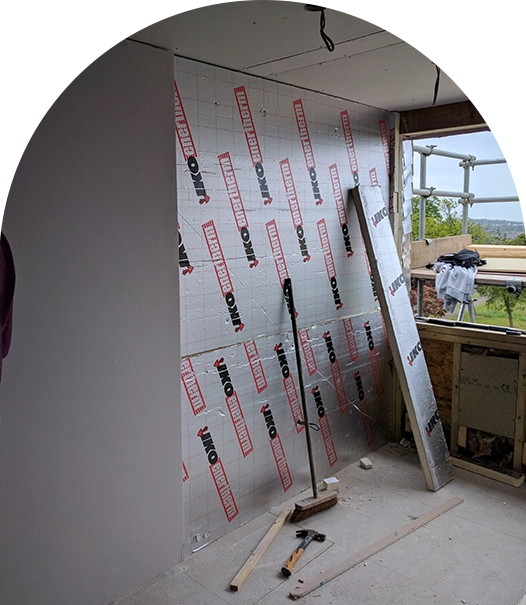
- Thermal insulation: Roof and walls must meet Part L standards
- Sound insulation: Acoustic separation between the new floor and rooms below
- Stairs: Loft conversion stairs must meet minimum rise, going, and headroom requirements
Victorian Terrace Renovation Costs & Things to Watch Out For
Typical cost of a loft conversion in a Victorian terrace: £40,000–£70,000 for a rear dormer or L-shaped loft extension.
Things to watch out for:
- Roof condition: Timbers may need repair. Pre-1980s properties may contain asbestos.
- Chimney stacks: Party wall chimney stacks need structural consideration before work begins.
- Services: MEP coordination is essential if adding a bathroom in your loft.
- Conservation area: Permitted Development rights may not apply. Check before you start.
What Are Popular Options for Loft Conversions in Terraced Houses?
The rear dormer and L-shaped dormer remain the most popular choice for terraced houses. Popular uses for the new space include:
- Master bedroom with en-suite — the most common and highest-value outcome
- Home office — increasingly popular, with design ideas drawing on mezzanine and industrial loft aesthetics
- Children’s bedroom — practical use of loft space with Velux windows and built-in storage
- Guest suite — a self-contained space that maximises return on investment
For design inspiration, consider exposed timber beams, full-width rear glazing, and Juliet balconies on rear dormers.
Mid-Terrace Versus End-of-Terrace: What Differences Will It Make?
Mid-terrace: You share a party wall on both sides, meaning Party Wall notices are required for both neighbours. Light into the loft relies on rear dormers and roof windows.
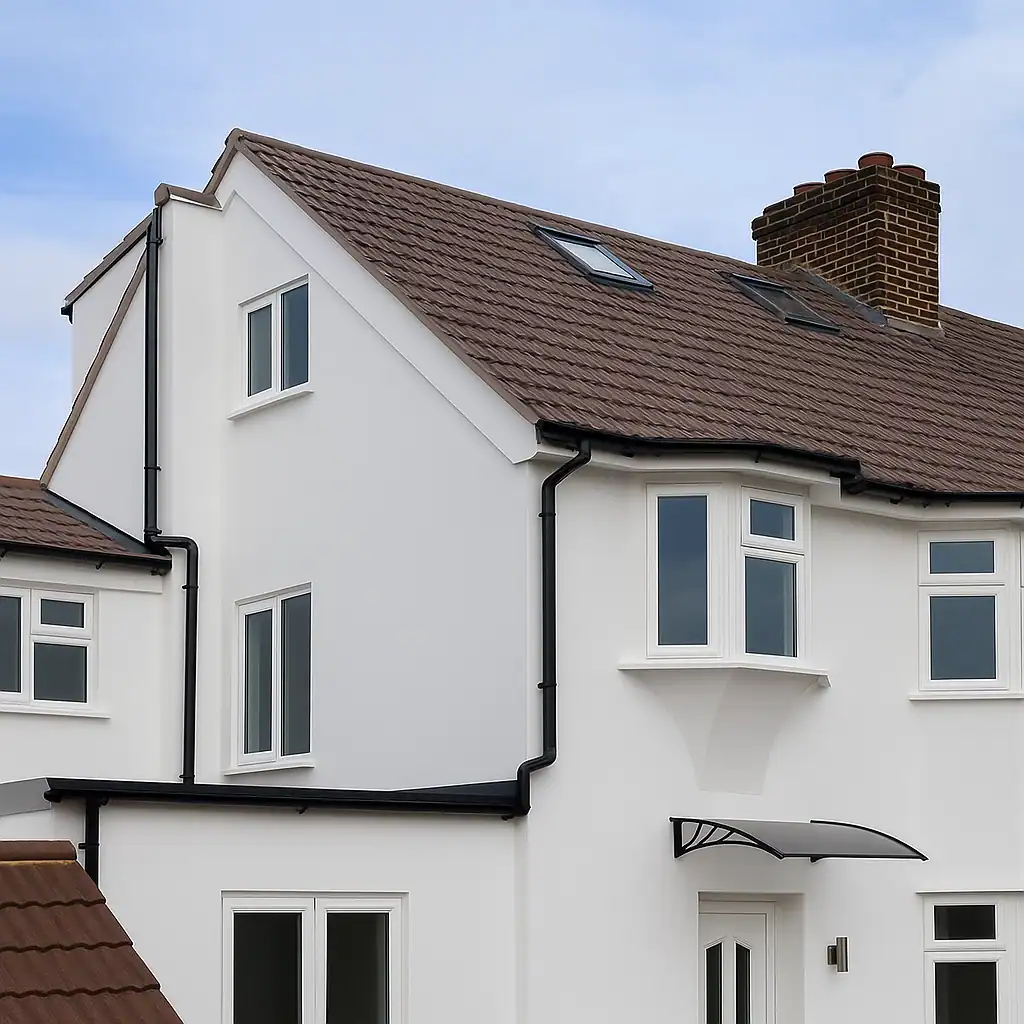
End-of-terrace: Greater design flexibility. Side windows and side dormers are possible, subject to planning. An end of terrace loft conversion can have side windows under Permitted Development, provided they are obscure-glazed and non-opening below 1.7m.
Terraced House Loft Conversions: FAQs
How long does a terraced house loft conversion take to build?
On site: 6–12 weeks depending on conversion type. Add 3–6 months for design, planning, and party wall process before work begins.
Is my loft high enough for a conversion?
Measure from the top of the ceiling joists to the underside of the ridge. You need at least 2.2 metres. If your loft already has good headroom, a Velux conversion may be all you need. If not, a dormer or mansard can create the space required.
How do you fit stairs in a small terraced house?
Loft conversion stairs are typically positioned above the existing first-floor landing. Alternating tread stairs are permitted under Building Regulations and take up significantly less space than a standard flight.
Will I need to move out during the work?
In most cases, no. Work takes place largely at roof level. There will be a short period when the roof is open, but contractors manage weatherproofing throughout.
Are there specific considerations for a Victorian terrace loft conversion?
Victorian terraces have traditional cut roofs, which are ideal for conversion. Watch out for chimney stacks, conservation area restrictions, and party wall obligations. The L-shaped dormer is the most popular choice for this property type.
Can an end of terrace loft conversion have side windows?
Yes. Under Permitted Development, side windows must be obscure-glazed and non-opening below 1.7m. For clear-glazed or opening windows, full planning permission will be required.
Ready to Start Your Loft Conversion?
At AC Design Solutions, we handle the full process including planning applications, building regulation drawings, and party wall surveying for loft conversions across London. Get in touch to find out how much your loft extension could cost and what’s possible for your home.