
Building Regulation Drawings for Wrap Around Extensions
Planning a wrap around extension? You’ll need building regulations drawings before any work starts. These aren’t optional—they’re legal requirements that protect you, your family, and your investment.
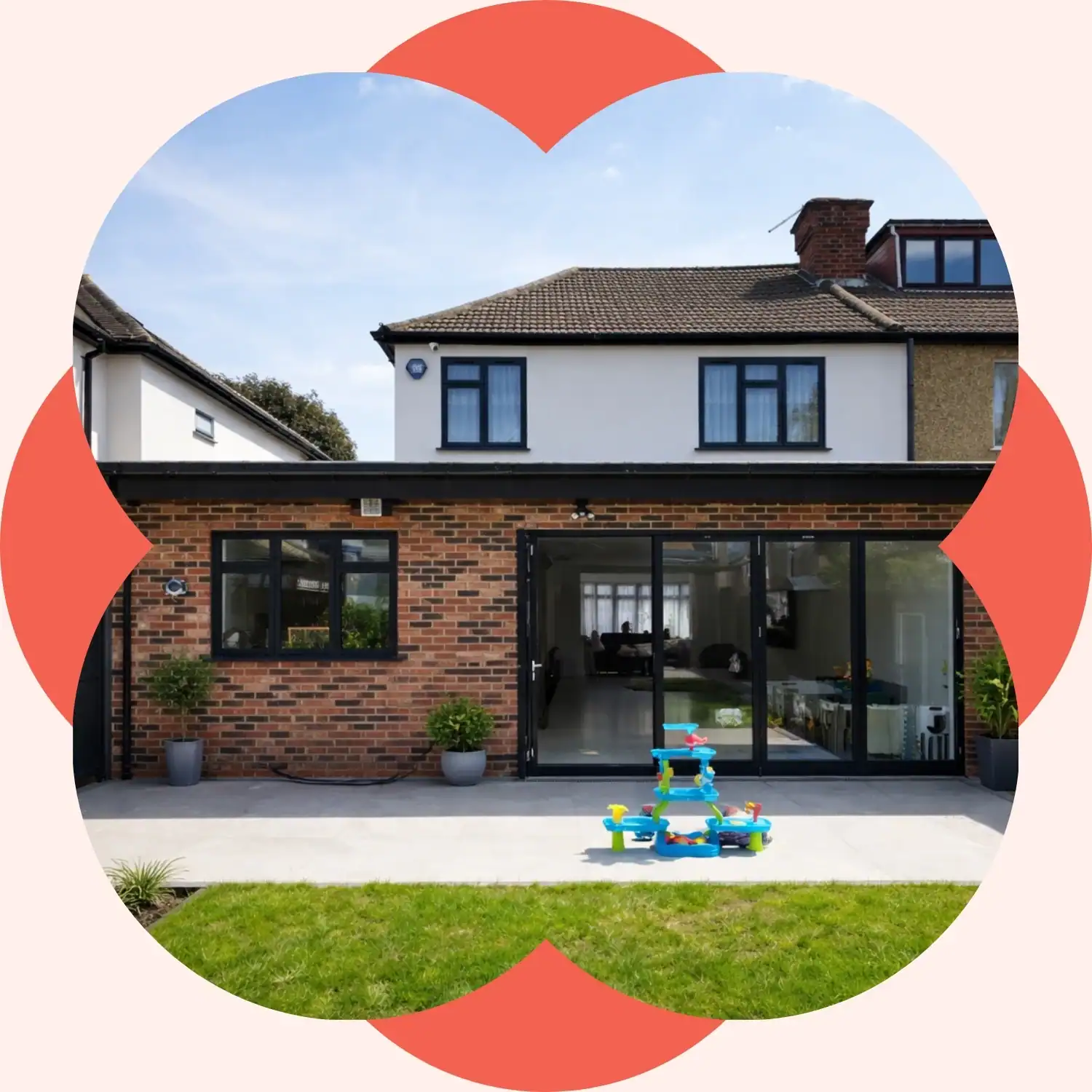
What Are Building Regulations Drawings?
Building regulation drawings are detailed technical plans that show how your wrap around extension will comply with UK Building Regulations. They demonstrate that your home extension will be structurally sound, energy efficient, safe to use, and properly accessible.
These detailed drawings include precise measurements, construction details, foundation depths, wall thicknesses, insulation specifications, and drainage layouts. The drawings provide everything you need to prove compliance before your building project begins.
How Much Do Building Regulation Drawings Cost ?
SINGLE STOREY
FROM
Redraw CAD files into 3D typical construction details and wall types. Complete building regulations drawings for ground floor extensions.
Loft Conversions
FROM
Redraw CAD files into 3D software,
two building sections with detailed callouts of relevant areas,
wall types, and fire plans
DOUBLE STOREY
FROM
Everything in single storey + additional sections, fire layout plans, set out drawings, structural engineer coordination, detailed callouts
BASEMENTS
INDIVDUAL
Full construction drawings, fire strategy plans, detailed wall and floor types, coordinate set out, Stage 4 coordination for complex basement projects
CALL US TODAY ON 0208 152 4006
Why Choose AC Design Solution for Your wrap around building regulation drawings?
We’re CIAT Chartered Architectural Technologists who worked in construction before gaining our professional credentials. We draw what works on site, what building inspectors will approve, and what your builder can construct efficiently.
We’ve completed over 10,000 projects across London and the Home Counties. Our service handles architectural and design drawings, building regulation drawings, structural engineering calculations, and party wall matters under one roof.

Do I Need Building Regulation Drawings Wraparound Extension ?
Yes, absolutely. Any wraparound extension requires building regulations approval, which means you need proper building regulation drawings to submit with your application.
Building Regulations apply to almost all building work involving structural changes. Your house extension creates habitable living space through the process of building a side extension combined with a rear extension. The drawings prove you comply with regulations, guide your builder during construction, and protect your property value. The extension is an exciting opportunity to transform your home, but only when done legally.

Client Stories
Don’t just take our word for it – hear directly from satisfied clients about their experience working with us. These real stories demonstrate why businesses trust us to deliver outstanding results every time


Let's Talk About Your Building regulation drawings
Ready to start your Single storey extension project? Contact AC Design Solution today for expert building regulations drawings services. We ensure compliance and smooth building control approval
Typical Building Regulations Drawings for a Wrap Around Extension Include
Your wraparound extension submission needs: site and location plans, floor plans with room layouts for your new living space, elevations displaying how the side extension and rear extension on a semi-detached property connects to your home, section drawings showing foundation depths, construction details illustrating insulation and drainage that comply with building regs, and foundation information specifying load-bearing requirements.
GET FREE QUOTEUnderstanding Permitted Development Rights for Your Extension Project
Even if your wraparound extension falls under permitted development rights, you still need building regulations approval and the associated building regulation drawings. Permitted development rules mean you don't need planning permission—but building regulations for your extension are a completely different legal requirement managed by local authorities.
Your single storey rear extension might avoid planning permission if it meets permitted development rules. But those criteria don't exempt you from Building Regulations. The building work still involves foundations, structural walls, and insulation—all must comply with current standards.
Conservation areas significantly limit permitted development rights. Check with your local planning authority and review planning regulations to determine whether your wraparound extension ideas fall under permitted development or require planning permission for your extension. Some properties cannot build without planning permission regardless of size.
GET FREE QUOTEGetting Planning Permission for Your House Extension
Getting planning permission focuses on appearance, size of the extension, and impact on neighbours through the planning process. Your local planning authority assesses applications based on design guidelines, planning policies, and neighbourhood impact. The planning process typically takes 8 weeks, though complex planning situations may take longer. Understanding the need for planning permission early prevents delays in your building project.
What Are Permitted Development Rules?
Your single storey rear extension might avoid planning permission if it meets permitted development rules. But those criteria don't exempt you from Building Regulations. The building work still involves foundations, structural walls, and insulation—all must comply with current standards.
GET FREE QUOTEWhen Do I Need Building Regulations Drawings?
You need building regulation drawings before any building work begins on your wrap around extension. The proper extension process runs like this: decide what you want to build, get planning permission if required, commission your building regulation drawings, need to submit your Building Regulations application, wait for approval, then start construction.
Many homeowners order drawings too late when planning an extension. Commission your building regulation drawings as soon as you have planning permission, or simultaneously if using the same architect for both sets of drawings.
Adding a Wraparound Extension in a Conservation Area or Listed Building
Conservation areas add complexity to your building project. You'll almost certainly require planning permission for your wraparound extension, regardless of permitted development rights. Local authorities scrutinize house extensions in conservation areas more carefully through stricter planning requirements based on local planning policies.
Listed building consent adds further complications. If planning a home extension on a listed building, you'll need separate consent alongside planning permission and building regulations approval. The planning and building regulations process becomes more rigorous.
GET FREE QUOTEThe steps
Timeline and Extension Process for Building Regulations Approval
Getting your building regulation drawings prepared and approved typically takes 4-6 weeks for most building projects. We spend 1-2 weeks preparing your detailed drawings. Once submitted, your local building control has up to 5 weeks to review your application. You can use a Building Notice route, though this provides less certainty.
Get your drawings commissioned while the planning application is being processed.
Understanding Party Wall Agreements for Building a Wraparound Extension
If your wraparound extension involves building work on or near a boundary wall, you’ll likely need a party wall agreement with your neighbours. Party wall requirements are separate from both planning permission and Building Regulations. Your architect or party wall surveyor can advise whether your extension project triggers party wall procedures. Serve formal party wall notices at least two months before building work begins.
Working with an designer and Builder for Your Extension Project
Coordinating between your architect and builder requires clear communication about building regulations for your extension. Your architect prepares the technical drawings showing how the design will comply. Your builder constructs the extension according to these approved plans.
Choosing the Right Designer
Look for a CIAT Chartered Architectural Technologist or RIBA architect with specific experience in wraparound extensions. They should understand local planning and building regulations intimately. Check whether they handle structural calculations through their architectural and design services.
Navigating Planning and Building Regulations Together
Many homeowners struggle to understand the relationship between planning and building regulations. They’re two separate approval processes for your building project. Planning permission examines whether your wraparound extension is acceptable in terms of design, size, and impact based on planning policies. Building Regulations examine whether it’s safe, structurally sound, and energy efficient. Most house extensions need both approvals.
The planning and building application process often runs in parallel. Submit your Building Regulations application as soon as planning permission is granted.
Ensuring Building Regulations for wrap around Extension Are Met
Meeting building regulations for your extension requires attention throughout construction. Your builder must notify Building Control at specific stages—before covering foundations, drains, insulation, and upon completion. Building Control officers inspect work, ensuring construction matches approved drawings until the project is complete. Upon completion, Building Control issues a Completion Certificate essential for future property sales and remortgaging.

Frequently Asked Questions
Why Are Building Regulations Drawings So Important?
Building regulation drawings prove your extension meets legal safety standards. They protect you from prosecution, ensure your home insurance remains valid, prevent problems when selling, and give your builder clear construction guidance for the building project.
What happens if I don't get Building Regulations Drawings or approval?
Local authorities can prosecute you and force you to alter or demolish the extension. Your home insurance might become invalid. Future buyers will struggle to get mortgages. You’ll need expensive retrospective approval once the project is complete. Put it in simple terms building regulation drawings will stop the property being mortgaged.
How long does it take to produce the drawings for a wrap around extension?
We typically complete building regulation drawings for wraparound extensions within 1-2 weeks. Factor in another 5 weeks for building control review through the planning process. Total timeline usually runs 6-8 weeks.
Are planning and Building Regulations Drawings the same?
No. Planning drawings focus on external appearance, size, and impact on neighbours following planning regulations. Building regulation drawings focus on structural safety, insulation, fire safety, and construction methods. Most wraparound extensions need both.
Expert Building regulation drawings advice
Rear Extension Building Regulations (UK Guide)
Summary not available. Please add an excerpt manually.
Building Regulations for Single Storey Extensions: Do You Need Planning Permission for a House Extension?
Building Control Drawings – Examples, Requirements & Complete Guide to Building Regulations Drawings
Building Regulation Drawings vs Planning Drawings: Understanding the Difference Between Planning and Building Control
Summary not available. Please add an excerpt manually.
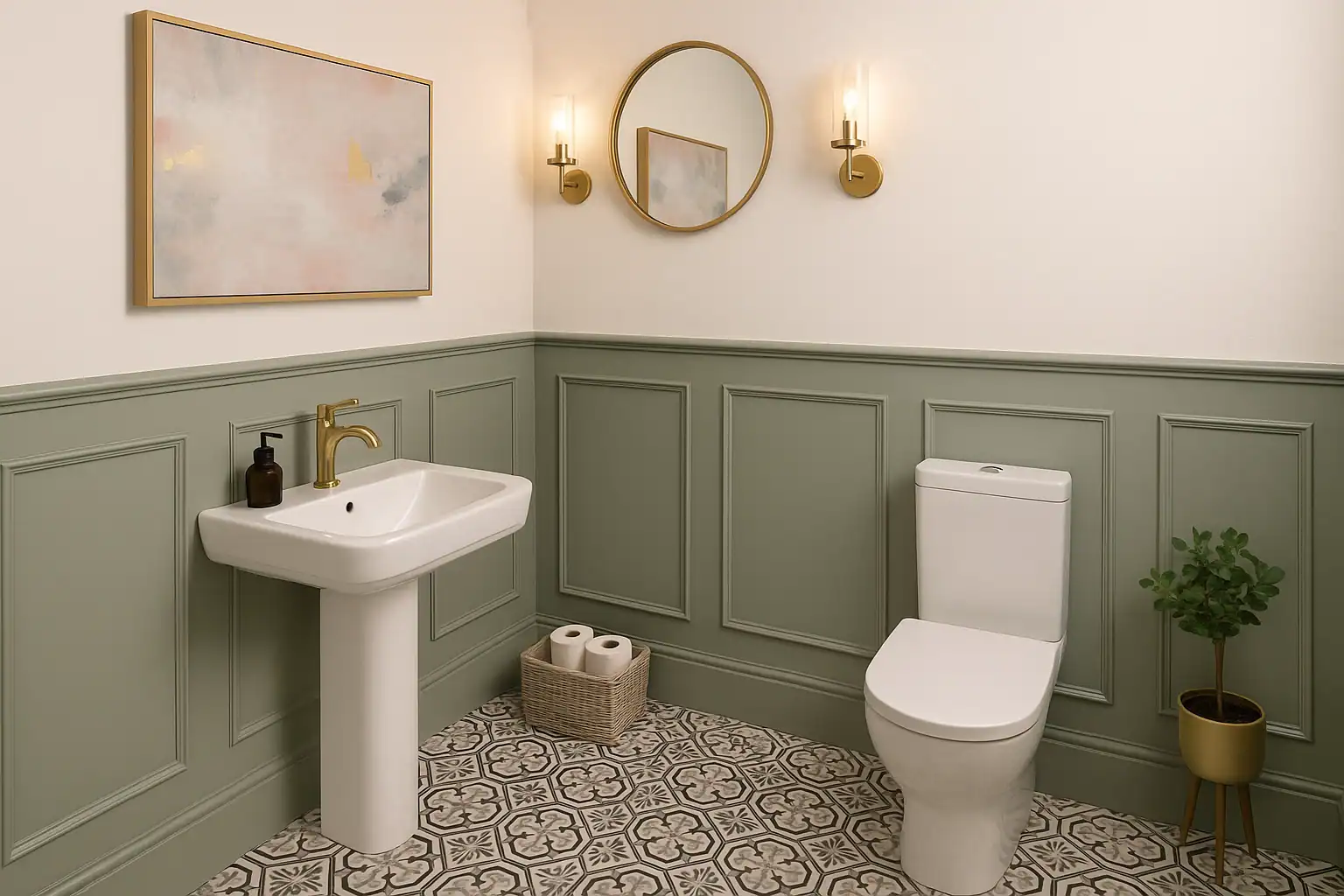
Installing a Downstairs Toilet bathroom: Complete Building Regulation Guide
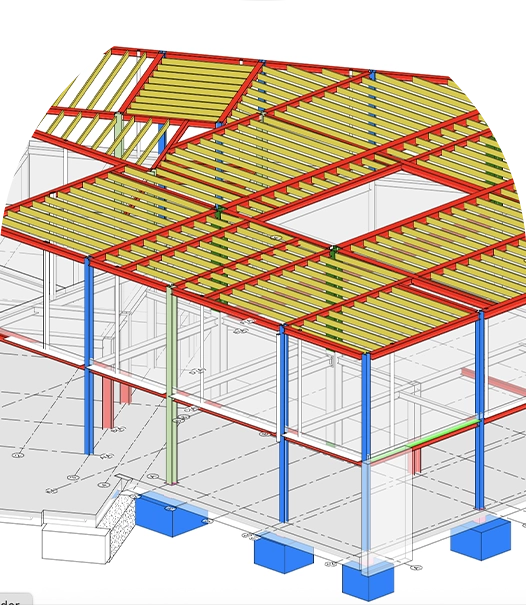
Structural Engineer Drawings vs Building Regulation Drawings: A Simple Guide
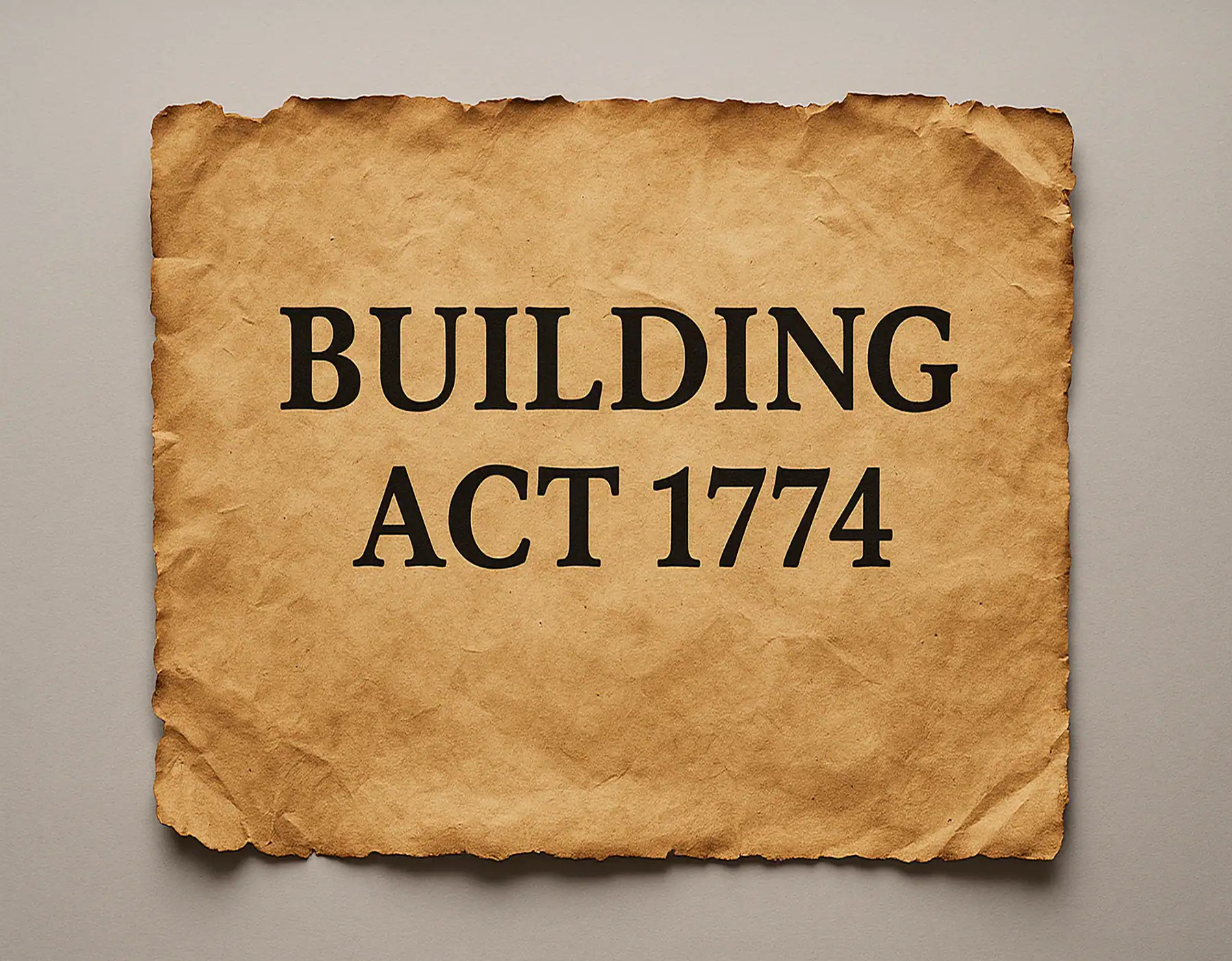
The History of Building Regulations and Building Control
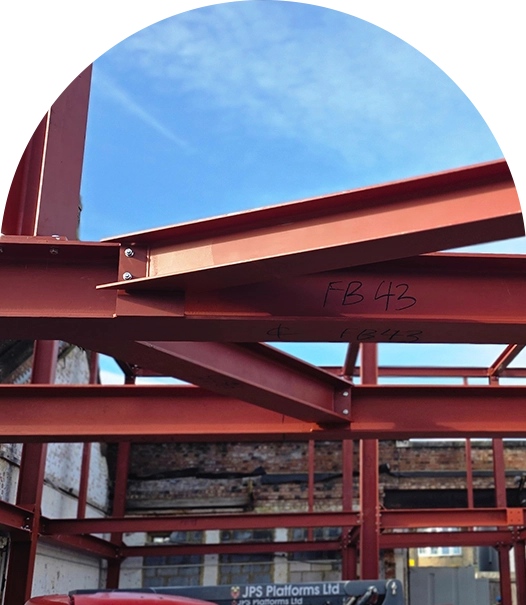
Building Regulations Part A Structure: Complete Guide to Approved Document A 2025
A Guide To Domestic Stairs: UK Building Regulations Part K
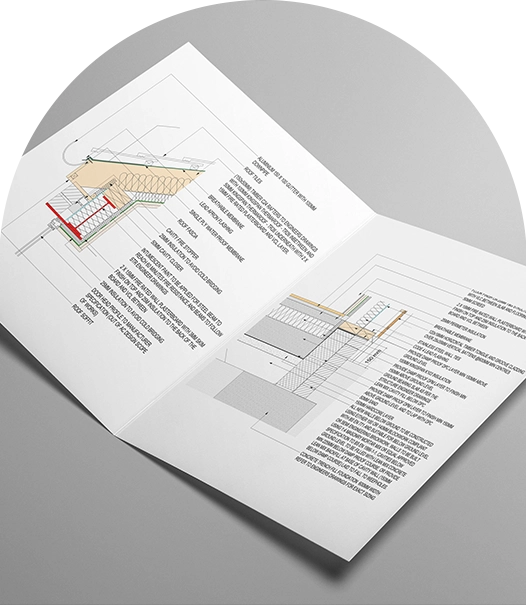
Loft Conversion: UK 2025 Building Regulation, Planning & Fire Safety
Summary not available. Please add an excerpt manually.