
If you are planning building work that affects a shared wall, boundary, or the foundations near an adjoining property, you will almost certainly need to engage the Party Wall etc. Act 1996. This legislation protects both you and your neighbours by setting out a clear process for notifying affected parties, resolving disputes, and recording the condition of adjoining properties before work begins. Failing to follow the process can expose you to injunctions, legal costs, and significant delays.
What is a Party Wall Agreement?
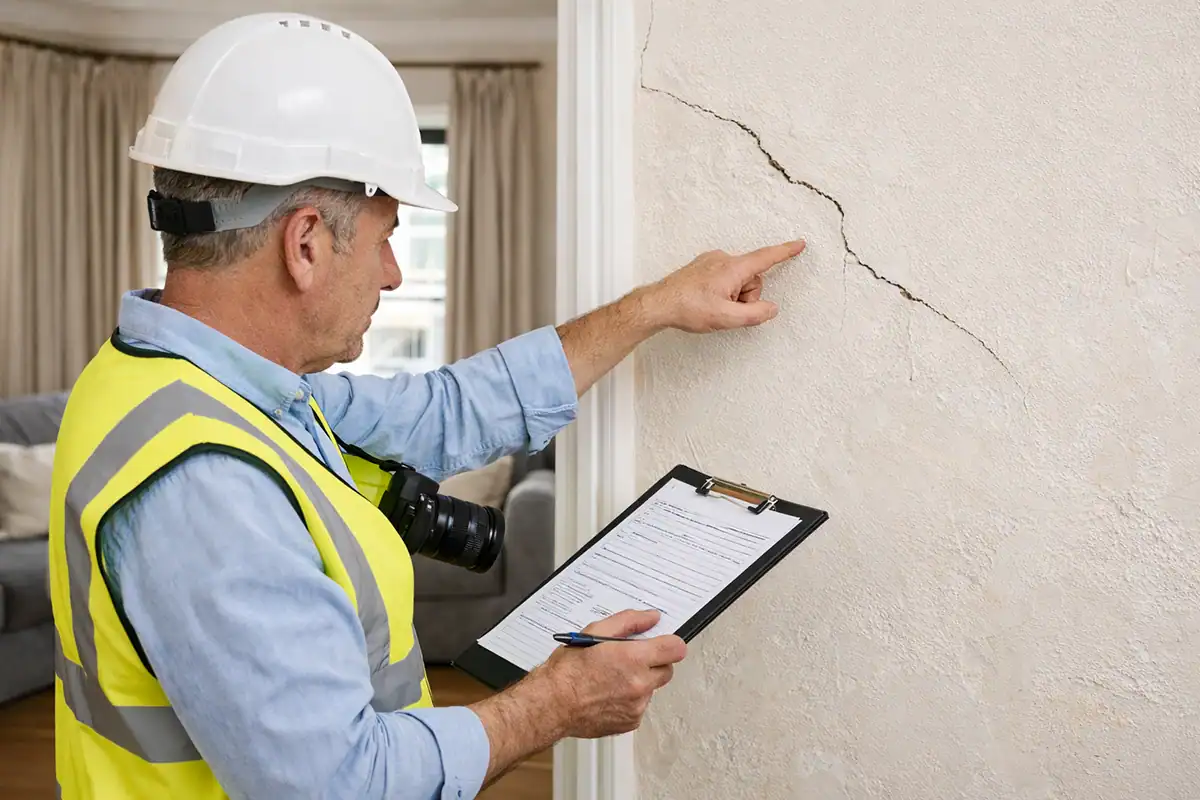
A party wall agreement — more precisely called a party wall award — is a legally binding document produced by one or more party wall surveyors. It records the agreed scope of works, sets out conditions under which those works must be carried out, and typically includes a schedule of condition of the adjoining property before works begin.
It protects both the building owner (the person carrying out work) and the adjoining owner (the neighbour) by establishing a clear record of the property’s pre-existing state and the terms under which works will proceed. The agreement is produced after a party wall notice has been served and, if the neighbour dissents or fails to respond, after surveyors have been appointed.
What Are Party Walls?
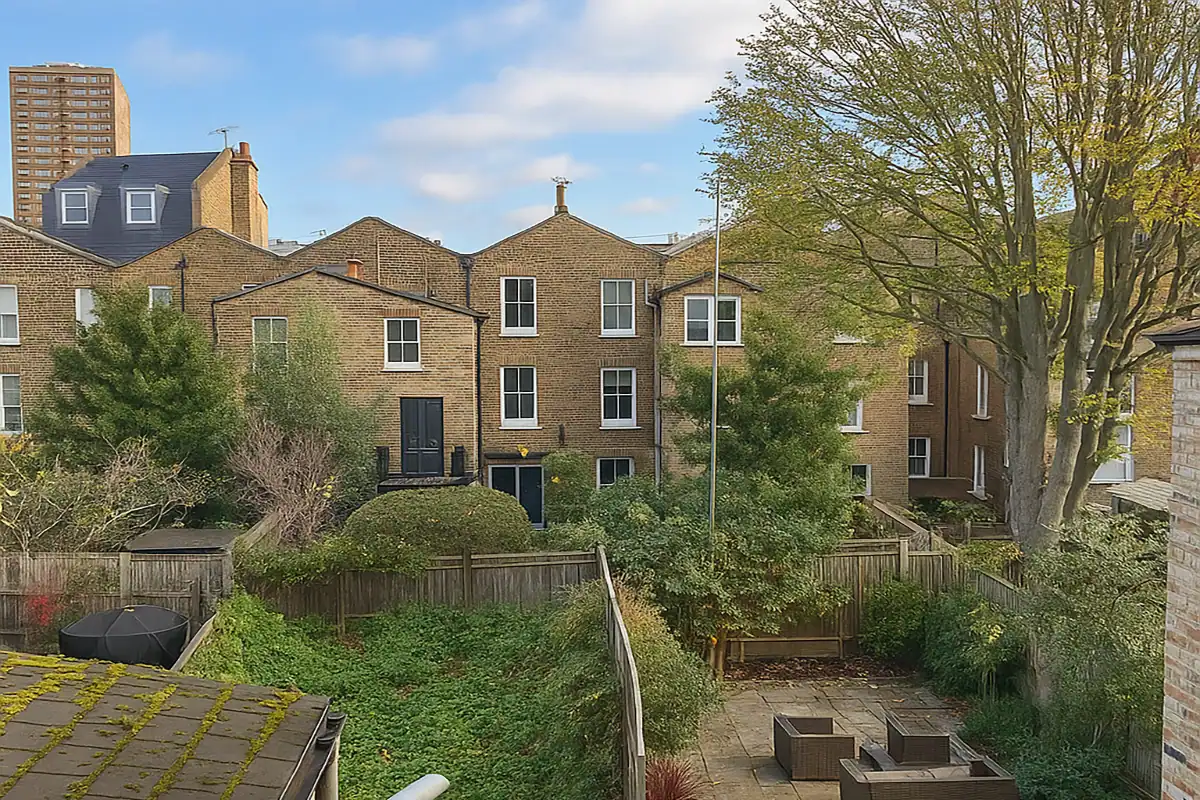
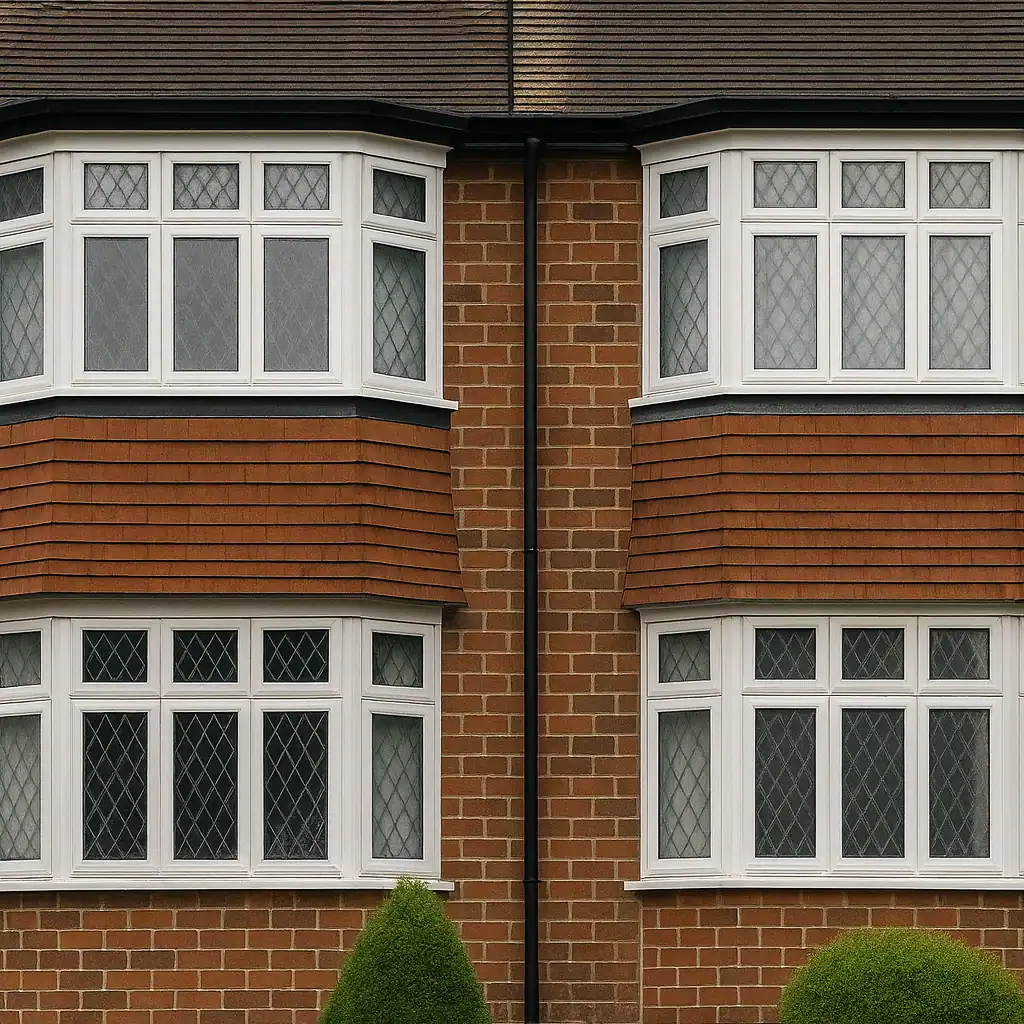
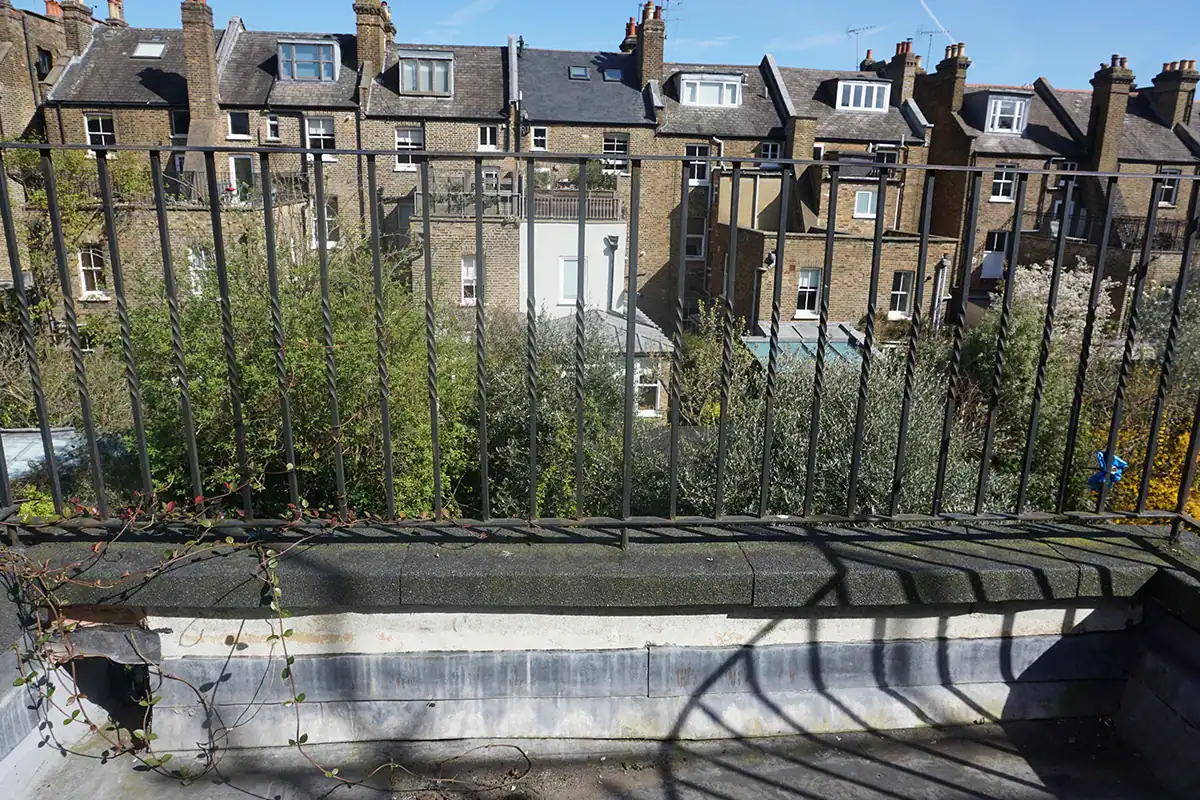
A party wall is a wall that sits on the boundary between two properties and is shared by the owners on each side. There are several types:
- Type A — a wall that forms part of a building and stands on the boundary line between two properties (the most common type in terraced and semi-detached homes)

- Type B — a wall that stands on one owner’s land but is used by two properties (for example, where a neighbour’s building is built up against it)
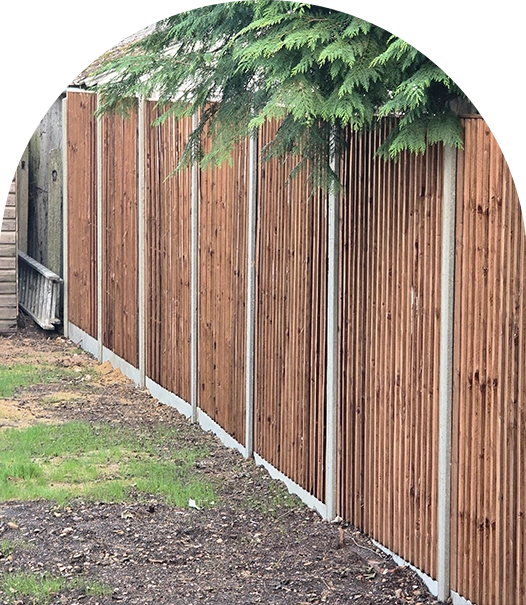
- Party fence walls — walls not forming part of a building but standing on the boundary, such as a garden wall
Party floors and ceilings in converted flats are also covered by the Act.
When Do I Need a Party Wall Agreement?
You need to follow the Party Wall Act process before carrying out any of the following:
- Works on or to a party wall or party structure — cutting into it, raising it, underpinning it, demolishing and rebuilding, inserting a damp proof course, and so on
- Building a new wall on or at the boundary line
- Excavating within 3 metres of an adjoining building or structure where the excavation will go deeper than the neighbour’s foundations
- Excavating within 6 metres where the excavation would cut a line drawn at 45 degrees from the bottom of the neighbour’s foundations
If none of your proposed works fall into these categories, you do not need to serve a party wall notice.
Scenarios Where a Party Wall Agreement is Necessary
Loft Conversions and Extensions Impacting Party Walls
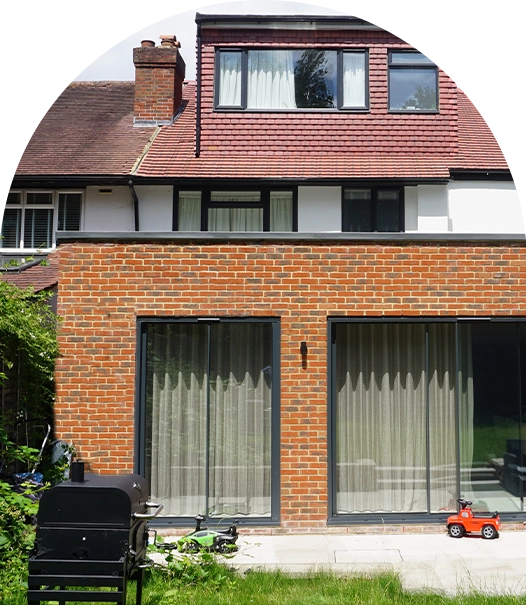
Most loft conversions in terraced or semi-detached properties will trigger the Act. Raising the party wall, cutting into it to insert beams or joist hangers, inserting padstones, or cutting flashings into it all constitute notifiable works. Rear extensions that involve building on or close to the boundary, or that require removal of a chimney breast shared with a neighbour, will also require a notice. If you are planning a loft conversion and need to understand how party wall agreements for loft conversions work in practice, the rules around notice and surveyor appointment are explained in full on our dedicated page.
Construction Near the Boundary Line: Garden Walls and Extensions
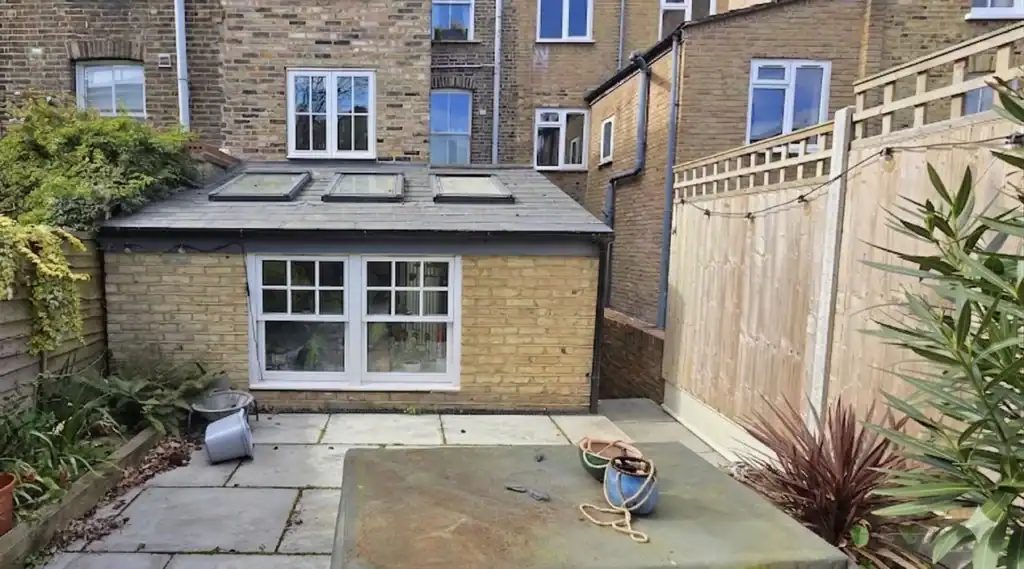
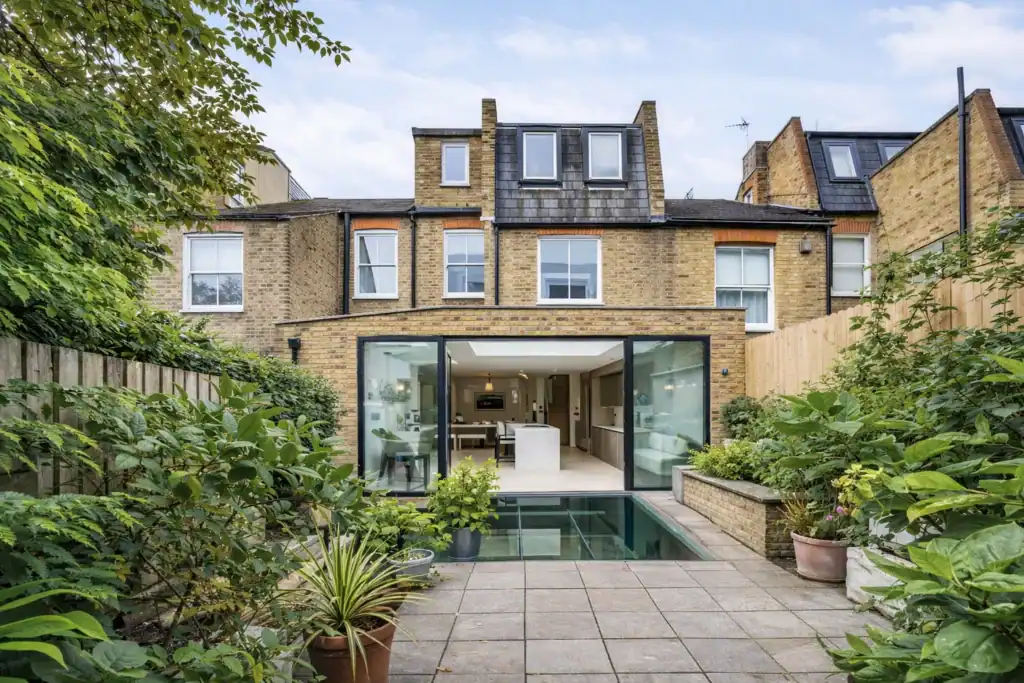
Building a new wall astride the boundary (a party fence wall) requires a notice even if the wall itself is modest. Similarly, constructing a wall wholly on your own land but immediately adjacent to the boundary may trigger the Act depending on the foundation depth and proximity to adjoining structures.
Excavation Close to Adjoining Properties: Depth and Distance Requirements
The 3 metre rule applies where you intend to excavate within 3 metres of any part of an adjoining building or structure, and your excavation will be deeper than the neighbour’s foundations. The 6 metre rule applies to deeper excavations where a 45-degree line from the bottom of the neighbour’s foundations would be cut by your proposed works. Both rules apply regardless of whether a party wall is actually involved.
Is a Party Wall Agreement Legally Mandatory?
Yes. The Party Wall etc. Act 1996 is a statutory requirement in England and Wales. There is no opt-out. If you carry out notifiable works without following the process, you are exposed to an injunction requiring you to stop, and your neighbour may engage surveyors at your expense. Courts have consistently held that ignorance of the Act is not a defence.
What’s the Party Wall Act 3 Metre Rule?
The 3 metre rule (under Section 6 of the Act) requires you to serve notice if you intend to excavate within 3 metres of an adjoining owner’s building or structure where the bottom of your proposed excavation would be lower than the bottom of their foundations. This commonly affects rear extension footings, new build foundations, underpinning projects, and basement excavations. The 6 metre rule extends this to deeper excavations further from the boundary. For a detailed explanation of how the rule works in practice, read our guide to the Party Wall Act 3 metre rule.
Which Jobs Do Not Require a Party Wall Agreement?
The following works generally do not require a party wall notice:
- Internal works that do not affect the party wall — replastering, fitting new kitchens, internal partitions
- Drilling into a party wall to fix shelves or hang pictures
- Building a freestanding garden wall that does not sit on the boundary
- Works to your own structure that do not affect the party wall itself
If in doubt, consult a party wall surveyor before starting work. Getting this wrong at the outset is far more costly than taking advice early.
How to Get Permission for Party Wall Building Works
The process under the Act is as follows:
- Identify which works are notifiable
- Serve the appropriate party wall notice on all adjoining owners
- Wait for the response consent, dissent, or deemed dissent after 14 days
- If consent is given in writing, you can proceed after the notice period expires
- If dissent occurs (or there is no response), appoint surveyors to produce an award
What is a Party Wall Notice?
A party wall notice is a formal written document served on adjoining owners informing them of the proposed works. There are three types of notice under the Act:
- Section 1 Notice — for new walls on or at the boundary
- Section 3 Notice — for works to an existing party wall or structure
- Section 6 Notice — for excavations within 3 or 6 metres of an adjoining property
Each notice must include the building owner’s name and address, a description of the proposed works, and the planned start date.
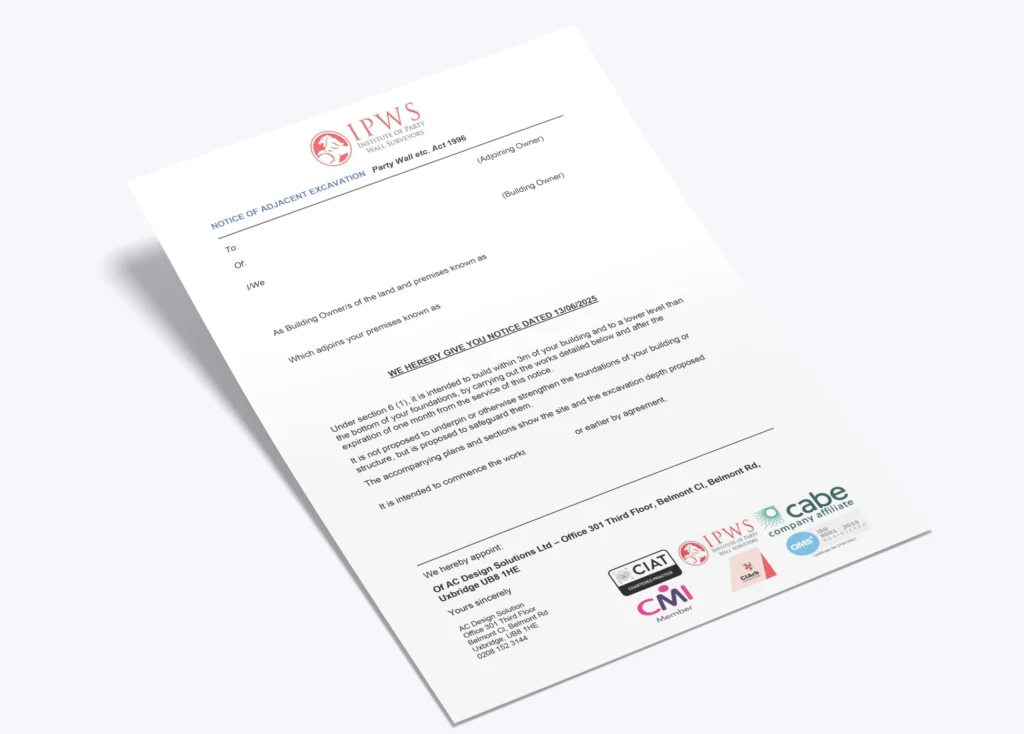
Serving a Party Wall Notice
Notices can be served by hand, by post, or — if the adjoining owner cannot be found — by fixing the notice to the property. You must serve the notice on all owners of the affected adjoining property, including any leaseholders who have a lease of more than a year. AC Design Solution can prepare and serve a party wall notice on your behalf, ensuring the correct statutory information is included and the notice is served properly.
The Party Wall Notice Period
- Section 1 (new wall on boundary): 1 month’s notice
- Section 3 (works to party wall): 2 months’ notice
- Section 6 (excavation): 1 month’s notice
Notice periods run from the date the notice is received, not the date it is sent.
Party Wall Notice Templates
The Act does not prescribe a specific form, but notices must contain the required statutory information. Many surveyors provide standard templates, and the government publishes explanatory booklets. Your party wall surveyor can prepare and serve notices on your behalf — advisable on more complex projects where multiple adjoining owners are affected or where the relationship with neighbours is already strained. You can also use our free party wall notice generator to create a notice quickly online.
What Happens Once My Neighbour Receives My Party Wall Notice?
Once served, your neighbour has 14 days to respond. They can:
- Give consent in writing — works can proceed after the notice period
- Dissent — triggering the surveyor appointment process
- Fail to respond — deemed dissent after 14 days, which also triggers the surveyor process
What’s the Process if My Neighbour Gives Assent?
If your neighbour consents in writing within 14 days, you can proceed with the works once the notice period has expired. Consent does not create a formal party wall award — it simply removes the need for one. However, it is still sensible to carry out a schedule of condition of the adjoining property before works begin, to protect yourself against any claims of damage after the fact.
What Happens if My Neighbour Dissents to a Party Wall Notice?
If your neighbour dissents (or fails to respond within 14 days), you must appoint a party wall surveyor. You and your neighbour each appoint your own surveyor, or you can agree to appoint a single agreed surveyor who acts for both parties. The surveyors then produce a party wall award. If either party fails to appoint their own surveyor within 10 days of being asked, the other party’s surveyor can make the appointment on their behalf.
My Neighbour Refused to Give Consent to My Party Wall Agreement What Happens Next?
Refusal to consent is not a veto on your works — it simply triggers the formal award process. You appoint surveyors, a party wall award is produced, and your works proceed within the terms of that award. Your neighbour cannot prevent notifiable works from happening by simply refusing to engage. However, the process does take time, so factoring in the surveyor appointment and award drafting period is important when programming your project.
Costs and Duration Involved in Party Wall Agreements
How Long Does it Take to Secure a Party Wall Agreement?
- Consent route: Notice period (1–2 months) plus a few days for written consent — typically 4–8 weeks from serving notice
- Surveyor/award route: Notice period plus surveyor appointment, inspection, and drafting — typically 6–10 weeks, sometimes longer on complex projects
Where multiple adjoining owners are involved, timelines can extend further.
How Much Does a Party Wall Agreement Cost?
Typical surveyor fees range from approximately £700 to £1,500 per adjoining owner for a straightforward award. Where both parties appoint separate surveyors, both sets of fees are generally recoverable from the building owner. Complex cases, basement projects, or disputed awards can cost significantly more. For a full breakdown see our guide to party wall surveyor fees.
What’s the Party Wall Award Process Timeline?
- Serve party wall notice on all adjoining owners
- Await response up to 14 days
- If dissent or no response: appoint party wall surveyors
- Surveyors carry out schedule of condition inspection of the adjoining property
- Surveyors draft and serve the party wall award
- 14-day appeal period begins (either party can appeal to the County Court)
- Works commence within the terms of the award
How to Find a Party Wall Surveyor
Party wall surveyors do not need to be chartered surveyors, but it is advisable to use someone with specific experience of the Act and membership of the Faculty of Party Wall Surveyors (FPWS) or the Pyramus and Thisbe Club. Many architectural practices offer party wall services in-house, which can be cost-effective where they are already engaged on the project.
When appointing a surveyor, check their familiarity with the type of works proposed, their fee structure, and their availability to meet your programme.
Maintaining Good Relationships with Your Neighbours
Party wall matters often arise in the context of home improvements where neighbourly goodwill is already important. Communicating with your neighbours before serving formal notice — explaining what you are doing, why, and what the process involves — can significantly reduce the likelihood of dissent and make the overall project run more smoothly. The Act is not an adversarial process; it is designed to facilitate works while protecting both sides.
Common Party Wall Problems
- Notice served too late — works cannot start until notice periods have expired; late service forces delays
- Multiple adjoining owners not all served — a notice is only valid if served on all relevant parties
- Works exceeding the scope of the award — any works beyond what the award covers are unauthorised and expose the building owner to injunction
- Damage disputes — a thorough schedule of condition at the outset is the single best protection against spurious or inflated claims
- Neighbour appoints a surveyor late — the 10-day appointment window should be monitored carefully
Planning Your Home Improvement Project
When programming a home improvement or development project, party wall matters should be considered at the earliest stage. Notice periods, surveyor appointment, and award drafting all add time to the pre-construction phase. On a standard rear extension, allow a minimum of 8–10 weeks from first contact with your party wall surveyor to being in a position to start on site.
Failure to Serve a Party Wall Notice What Happens?
Carrying out notifiable works without serving notice is a civil wrong. Your neighbour can apply to the court for an injunction requiring you to stop work. They may also be entitled to have any works undone at your expense, or to claim damages. Courts do not look favourably on building owners who bypass the Act, particularly where damage has occurred. Retrospectively regularising the position after works have started is possible but expensive and uncertain.
My Neighbour Started Work Without a Party Wall Agreement: What Can I Do?
If your neighbour has started notifiable works without serving notice on you, you have several options:
- Write to them requesting they stop and comply with the Act
- Engage a party wall surveyor who can serve a notice requiring them to appoint a surveyor and produce a retrospective award
- Apply to court for an injunction if works are causing or threatening damage
Acting quickly is important. Once works are complete, your remedies narrow considerably, though a claim for damages for any damage caused remains available.
What is a Retrospective Party Wall Agreement?
A retrospective party wall award is one produced after notifiable works have already commenced or been completed. It is technically possible and is sometimes used to regularise a situation where notice was not served. However, it has limitations: a schedule of condition cannot be prepared for a structure that has already been altered, which undermines one of the Act’s primary protective functions. Courts also take a dim view of retrospective regularisation as a substitute for compliance.
Can a Party Wall Notice be Served Verbally?
No. A party wall notice must be in writing. Verbal agreement between neighbours, however amicable, has no legal standing under the Act and provides no protection to either party if a dispute arises later.
Need a Party Wall Surveyor in London?
AC Design Solution are members of the Institute of Party Wall Surveyors (IPWS). We act as agreed surveyor on projects across London and the Home Counties, handling notices, awards, and schedule of condition surveys. Contact our party wall surveyor team for straightforward advice on your project.
Frequently Asked Questions
Do I Need to Serve a Party Wall Notice?
You need to serve a notice if your proposed works involve working on or to a party wall, building on or at the boundary, or excavating within 3 or 6 metres of an adjoining property in the circumstances described by Sections 1, 3, and 6 of the Act. If your works are entirely internal and do not touch any party structure or boundary, you do not need to serve notice.
Can I Start Work Before a Party Wall Award is Finalised?
No. You must wait until the award has been served (and the 14-day appeal period has run its course, unless both surveyors agree otherwise) before starting the notifiable elements of your works. You may be able to carry out non-notifiable works in the interim.
Do I Need a Party Wall Agreement for a Loft Conversion?
In most terraced and semi-detached properties, yes. If the loft conversion involves cutting into or building on the party wall — including inserting beams, raising the wall, or cutting flashings — a Section 3 notice is required. A detached house with no shared walls does not trigger the Act.
Can I Do a Party Wall Agreement Myself Without a Surveyor?
There is no legal requirement to use a surveyor if both parties consent. The consent route requires only that your neighbour gives written agreement — no award and no surveyor is needed. However, if your neighbour dissents or fails to respond, surveyors must be appointed. Even on the consent route, engaging a surveyor to prepare a schedule of condition is strongly advisable.
Who Benefits from a Party Wall Agreement?
Both parties benefit. The building owner benefits from having a clear framework within which they can carry out works without risk of injunction. The adjoining owner benefits from a pre-works record of their property’s condition and enforceable conditions on how the works are conducted.
What is the Difference Between a Shared Wall and a Party Wall?
All party walls are shared walls, but not all shared walls are party walls. A party wall is specifically defined by the Act as a wall that sits on the boundary or forms part of a building on the boundary. A shared wall only attracts the Act’s protections and procedures if it meets the statutory definition.
When Does a Party Wall Agreement Apply?
A party wall agreement (award) applies from the date it is served until the notifiable works are complete. It governs the manner in which works are carried out, hours of working, access rights, protection measures, and the process for resolving any damage that arises. Once works are finished and any damage claims resolved, the award has served its purpose.