Understanding A Party Wall Award
Planning building work that affects a party wall with your neighbour? You’ll likely need a party wall award. This document protects both property owners and ensures the construction proceeds smoothly. If you need someone to prepare and serve the notices, complete the Schedule of Condition and issue the final Award, speak to a Party Wall Surveyor Here’s everything you need to know.
What is a Party Wall Award?
A party wall award is a legally binding document. It records the agreed-upon terms for building work affecting a party wall, boundary, or nearby excavations. Think of it as a written agreement. It sets out exactly what work will happen, how it’ll be carried out, and what protections exist for both properties.
The award typically includes several key elements. These are a detailed description of the proposed works, the condition of adjoining properties before the work begins, agreed methods of construction, access arrangements for surveyors and workers, working hours and timeframes, and procedures for resolving disputes during the work.
A party wall award isn’t permission to build. It’s a separate requirement from planning permission or building regulations. You might have full planning approval but still need an award before touching that shared wall or party structure.
Understanding Party Walls and the Award Process
Party walls are shared structures between neighbouring properties. The award process protects both the building owner and the adjoining owner. It covers work that affects shared structures. Whether you’re planning to build on a boundary, excavate near a shared wall, or alter an existing party wall, the award sets clear expectations. It provides protections for everyone involved.
The Legal Framework: The Party Wall Act
The Party Wall etc. Act 1996 governs party wall matters across England and Wales. This legislation prevents disputes between neighbours. It applies when building work affects shared structures or boundaries.
Understanding the Party Wall Act 1996
The Party Wall Act 1996 was introduced in 1996. It provides a framework for preventing and resolving disputes. These disputes relate to party walls, boundary walls, and excavations near neighbouring buildings. It replaced older, more fragmented legislation. It created a uniform system across England and Wales.
Under the Party Wall Act, property owners have both rights and responsibilities. You have the right to carry out necessary building work. But you must follow proper procedures. These protect your neighbour’s property and interests. The Act applies to all properties where party walls exist. It also applies where work near a shared wall is planned.
What the Party Wall Act Covers
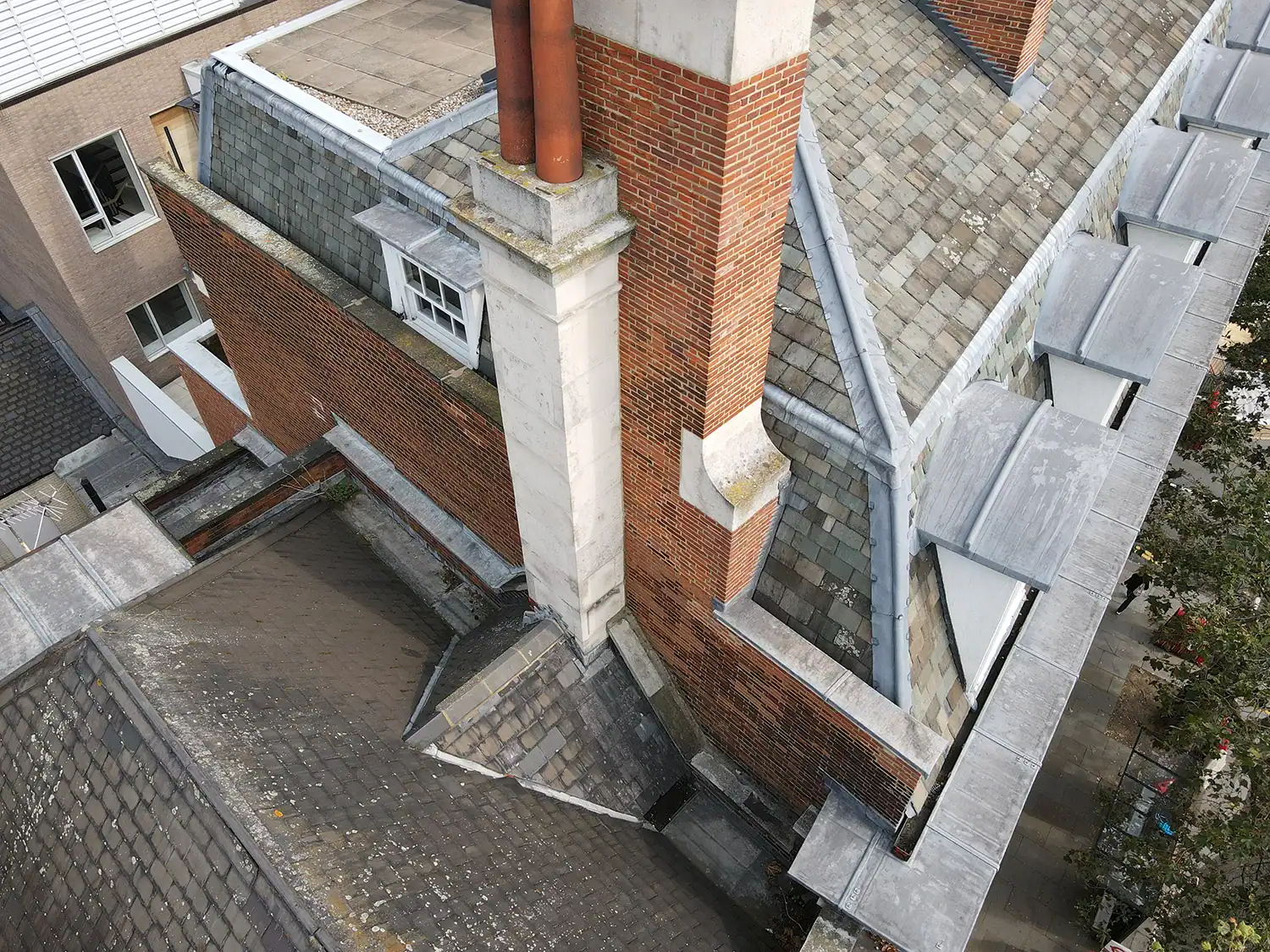
The Party Wall Act covers several scenarios. A wall is a party wall if it stands on the boundary between two properties. Each owner owns part of it. It could be a wall standing wholly on one owner’s land but used by both properties, like a garden wall. Or it’s the wall of a building attached to another building. These are all party structures covered by the Act.
The Act also covers excavations. These are within three or six metres of a neighbouring property. The distance depends on the depth. If you’re digging foundations near your boundary, the Act applies. This is true even if you’re not touching an actual party wall. This ensures the structural integrity of adjoining properties remains protected.
Building on or Near a Boundary
Works on or near a boundary line require particular attention. This includes constructing a new wall at the boundary. It includes building entirely on your own land but up to the boundary line. It also includes carrying out excavations that might affect structures on either side. Compliance with the Party Wall Act is mandatory for these works.
Scotland and Northern Ireland have different legislation. This guidance applies specifically to England and Wales where the Party Wall Act applies.
When Do You Need a Party Wall Agreement?
Do You Need a Party Wall Agreement?
You need a party wall agreement when you plan notifiable works under the Act. These include several types of work. Building on or near the boundary line between properties. Cutting into a party wall to insert beams or damp proof courses. Removing chimney breasts from party walls. Underpinning a party wall or building near your neighbour’s foundations. Raising a party wall or adding additional storeys. Demolishing and rebuilding a party wall.
Works That Require a Party Wall Notice
You need to serve a party wall notice for certain excavation work. This includes excavating within three metres of a neighbouring structure if going deeper than its foundations. It also includes excavating within six metres if cutting a 45-degree plane below the neighbour’s foundation level. The notice requirement prevents building work that could compromise the structural integrity. This protects any shared wall or adjoining property.
Common projects that need a party wall agreement include loft conversions, basement excavations, extensions, and removing walls between properties. You don’t need an award for routine maintenance. Repointing or plastering that doesn’t affect the party structure doesn’t require notice. Purely cosmetic work stays between you and your decorator.
Can You Start Work Without a Party Wall Agreement?
No. Starting work without a proper party wall agreement in place breaches the Party Wall Act 1996. Your neighbour could seek legal action to stop the work. This could add months and significant legal costs to your project. The award must be in place before work starts.
Without serving proper notices, you risk your neighbour taking legal action against you. This could halt construction entirely. It could result in costly disputes.
CALL US TODAY ON 0208 152 4006
Client Stories
Don’t just take our word for it – hear directly from satisfied clients about their experience working with us. These real stories demonstrate why businesses trust us to deliver outstanding results every time


How to Get a Party Wall Award
The party wall award process follows a structured timeline. It typically takes 2-3 months from start to finish.
How to Serve a Party Wall Notice
You must serve a party wall notice to your neighbour. This must happen at least two months before starting work on a party wall. For excavation work, it’s one month. This notice describes the proposed building work. It invites your neighbour to consent or dissent.
The notice is served in writing. It must include specific details. These cover how the party wall will be accessed, what agreements relating to the work are proposed, and drawings where appropriate. AC Design Solution recommends serving notices early in your project planning. Delays in the party wall process can push back your entire construction schedule.
What Happens After the Notice is Served
Once the notice is served, your neighbour becomes the “adjoining owner” under the Party Wall Act. They have 14 days to respond. They can either give written consent, making the process straightforward. Or they can dissent, which triggers the formal award process.
The 14-day period begins from the date the notice has been served. It’s important to keep proof of service. This is either a signed acknowledgment from your neighbour or evidence of recorded delivery if sent by post.
Understanding the Adjoining Owner’s Position
The adjoining owner holds specific rights under the Party Wall Act 1996. They’re not obliged to consent to your works. Dissent doesn’t mean they oppose your project. Your neighbour may simply want professional protection through the surveyor process. This ensures any potential damage is caused and properly documented.
The adjoining owner can request additional protective measures. They can appoint their own surveyor. They can require regular updates during the work. Their rights exist to balance your right to develop your property. They also protect their right to protection from damage.
When Your Neighbour Receives the Party Wall Notice
When the notice has been served and received by the adjoining owner, they should review it carefully. The notice will detail the proposed works. It shows their likely impact. It gives the timeframe for response. If unclear about anything, the adjoining owner should seek legal advice quickly. The 14-day clock starts immediately.
What Happens When Neighbours Cannot Agree
If your neighbour dissents to a party wall notice or doesn’t respond within 14 days, the law treats this as dissent. This creates a dispute situation where the parties cannot agree. But this isn’t a rejection of your project. It simply means the formal surveyor-led process begins.
Appointing a Party Wall Surveyor
When a dispute arises, each party can appoint a surveyor. You can agree to use a single surveyor. This is called an “agreed surveyor.” It keeps costs down. Or each can appoint your own surveyor. These two surveyors then work together to prepare a party wall award.
Many property owners don’t realise they can share a qualified party wall surveyor. AC Design Solution often acts as the agreed surveyor. This typically costs £700-£1,500. Compare this to £1,500-£3,000 for separate surveyors.
Ask a Surveyor: The Professional’s Role
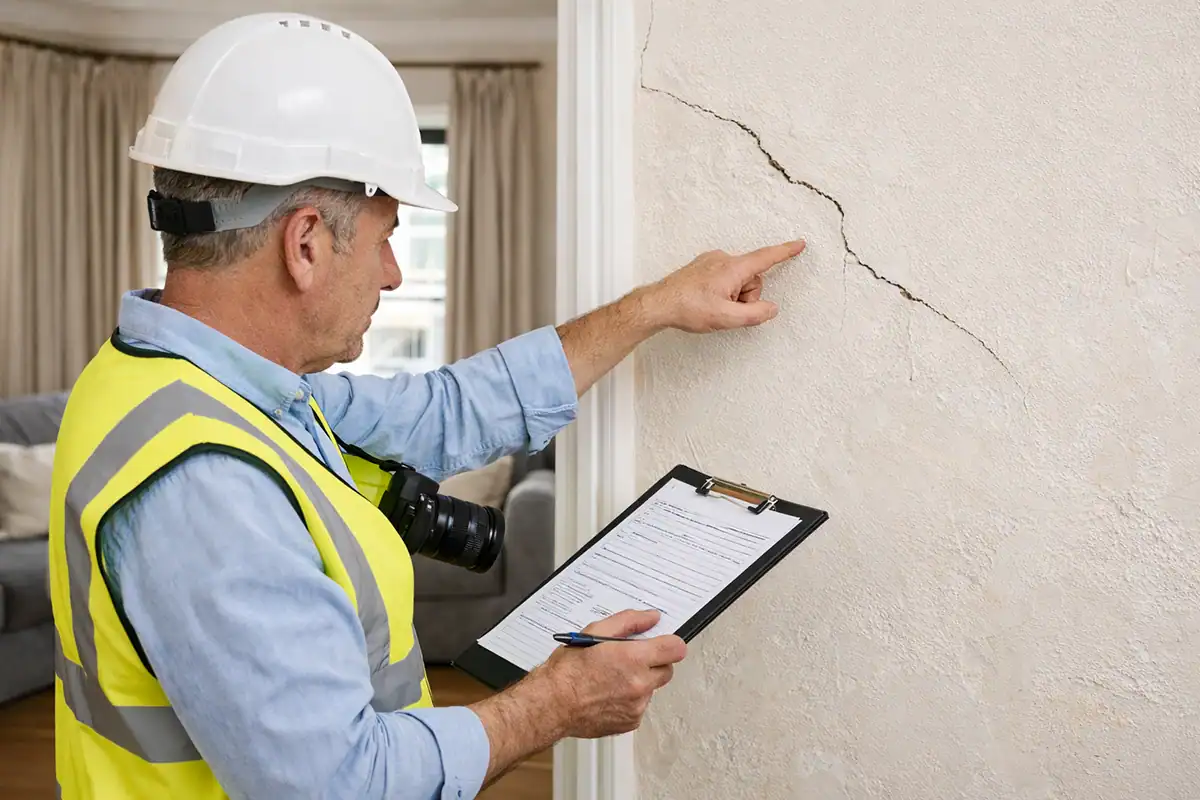
The party wall surveyor inspects the adjoining property before the work begins. They record its condition. This creates a baseline. It protects both the building owner and adjoining owner if damage is caused during construction. Detailed photographs, measurements, and crack mapping form part of this survey.
The Act provides that surveyors must act impartially. This applies even when appointed by one party. They ensure compliance with the Party Wall Act throughout the process.
How Surveyors Prepare a Party Wall Award
The surveyor to carry out the assessment will draft the party wall award. They incorporate agreed terms, working methods, and protective measures. The terms of the award address how work near the boundary will proceed. They specify what protections exist for the structural integrity of both properties. They explain how any damage will be addressed.
Awards are made within a reasonable timeframe. This is typically 4-6 weeks from surveyor appointment. Both parties receive a copy. The award becomes legally binding once served. Construction can then begin.
Why Awards are Legally Binding
The party wall award is legally binding. It binds both the building owner and the adjoining owner under the Party Wall Act 1996. It’s enforceable through the county court if either party breaches its terms. This legal weight protects both properties. It ensures the building work proceeds according to agreed standards.
The Act provides enforcement mechanisms. These apply if work starts without serving proper notices. They also apply if the terms of the award aren’t followed.
Understanding the Party Wall Agreement vs Party Wall Award
Many people use “party wall agreement” and “party wall award” interchangeably. But there’s a distinction. A party wall agreement refers to the overall arrangement between neighbours. This might include consent without a formal award. A party wall award specifically refers to the legally binding document. Surveyors produce this when there’s dissent or deemed dissent.
In practice, if your neighbour consents in writing, you have an agreement but not an award. If a single surveyor or two surveyors get involved, they’ll make an award that covers the work.
Commonly Overlooked Aspects of the Award Process
Awards Cover More Than Structure
Many property owners focus solely on the structural building work itself. They forget that awards should address practical concerns. These include scaffolding access, working hours, noise mitigation, and dust control. A comprehensive award prevents disputes before they arise. It protects the relationship between the building owner and adjoining owner.
The Adjoining Owner’s Rights Under the Party Wall Act
The adjoining owner has specific rights throughout the process. These come under the Party Wall Act 1996. They can appoint their own surveyor. They can request additional protective measures. They can require regular updates during the work. The award balances the building owner’s right to carry out building work. It also protects the adjoining owner’s right to protection from damage.
Even if the adjoining owner initially consented, they can raise concerns. This applies if work deviates from the original notice. The Act 1996 provides ongoing protections throughout the construction process.
Your Neighbour’s Surveyor Fees
If your neighbour appoints their own surveyor, you typically pay both sets of surveyor fees. This surprises many building owners. They budget for just one surveyor. Plan for £1,500-£2,000 per surveyor when separate appointments occur. This cost applies even if you think the dispute is unreasonable. The Act gives your neighbour the right to professional representation.
Time Limits Within the Award
The award within which work must start is often specified as 12 months. If your project delays beyond this period, you’ll need to serve fresh notices. You’ll need to obtain a new award. This adds time and cost to your project.
Access Rights Don’t Equal Unlimited Entry
Awards grant access rights for necessary work. But these come with reasonable restrictions. Your builder can’t arrive at 7am on Sunday morning just because the award permits access. Reasonable working hours protect your neighbour. Advance notice requirements protect their enjoyment of their property.
The Award Doesn’t Resolve Planning Disputes
Some neighbours try to use the party wall process to object to development. The Party Wall Act doesn’t work this way. The surveyor can’t refuse an award because your neighbour dislikes your extension. That’s a planning matter. The award process assumes approved work will proceed. It focuses on how to carry out building work safely.
Resolving a Party Wall Dispute
When Disputes Arise During Building Work
Even with an award in place, disputes can arise during building work. Perhaps damage is caused that wasn’t anticipated. Or working methods deviate from the award. The appointed party wall surveyor has the authority to resolve these issues. If necessary, they can make an award for additional protections.
The Role of the Party Wall Surveyor in Dispute Resolution
The surveyor acts impartially. This applies even if appointed by one party. They resolve disputes fairly. They can inspect damage. They can order remedial work. They can adjust working methods. They can settle disagreements about the interpretation of the award. Their decisions are binding unless appealed to the county court within 14 days. This provides an alternative to expensive legal action.
Frequently Asked Questions
How long does a party wall award take?
From serving notice to receiving the final award, expect 8-12 weeks. The two-month notice period runs concurrently with surveyor appointments and inspections. Careful planning keeps delays minimal.
Can I start work before receiving the award?
No. Starting work before the award is in place breaches the Party Wall Act. Your neighbour could seek an injunction to stop the work. This could add months and significant legal costs to your project. Always wait until work starts under proper protection.
What if my neighbour refuses to let the surveyor inspect their property?
The Act grants surveyors right of access for inspections. If your neighbour unreasonably refuses entry, the surveyor can apply for a warrant. This comes under Section 8(5) of the Party Wall Act 1996. This rarely happens. Most neighbours cooperate once they understand their legal obligations.
Do I need separate awards for different phases of work?
A single award can cover all notifiable works covered by the Act. You must describe them fully when you serve a party wall notice. Adding extra work later means serving additional notices. It may mean obtaining supplemental awards.
What happens if damage occurs during the building work?
The award establishes the property’s pre-work condition. This makes it straightforward to prove construction caused any damage. The building owner remains responsible for making good any harm caused by their works. This applies regardless of whether they personally did the work or employed contractors.
Is a party wall award legally binding on future owners?
Yes. The party wall award binds the properties, not just the current owners. If either property sells during or after the work, the new owner inherits the rights and obligations under the award.
What if I need to get a party wall agreement quickly?
The Party Wall Act 1996 sets minimum notice periods. You can’t skip them. The two-month notice for party wall works is a legal requirement. For excavations, it’s one month. Plan your project timeline accordingly. Rushing the process usually backfails.
What rights does the adjoining owner have under the Act?
The adjoining owner can appoint their own surveyor at the building owner’s expense. They can request a schedule of condition. This documents their property before the work begins. They can require additional protective measures during construction. They can seek compensation for any damage or loss caused by the works. These rights exist to ensure fair treatment throughout the process.
Can work proceed without serving a notice?
Can work proceed without serving a notice?
No. Without serving a proper party wall notice, you cannot legally carry out building work. This applies to work that affects party structures or adjoining properties. This is a fundamental requirement. The Act applies it universally.
Expert Party Wall advice
schedule of condition party wall
What You Need to Know About Party Wall Disputes
Summary not available. Please add an excerpt manually.