The Challenge
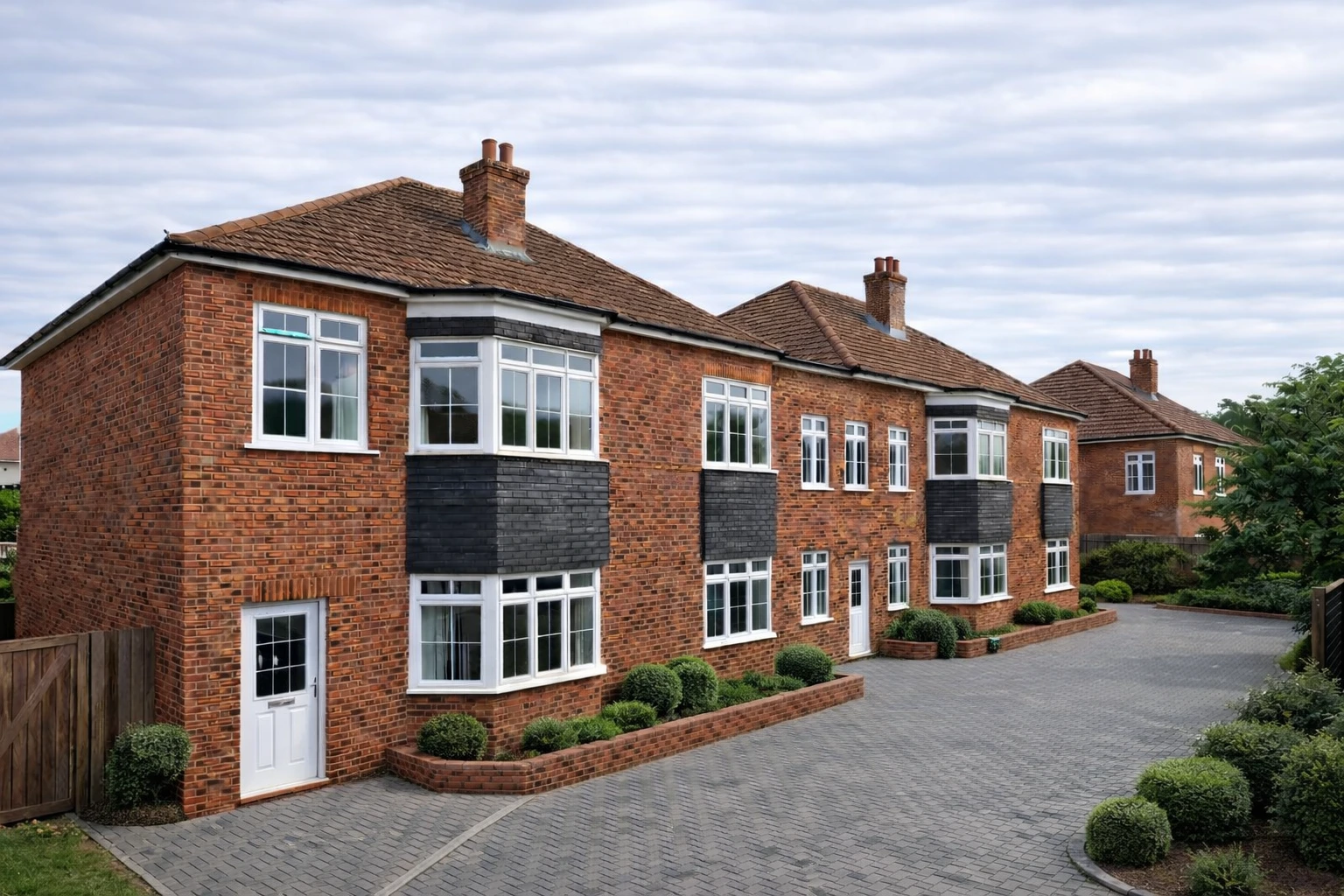
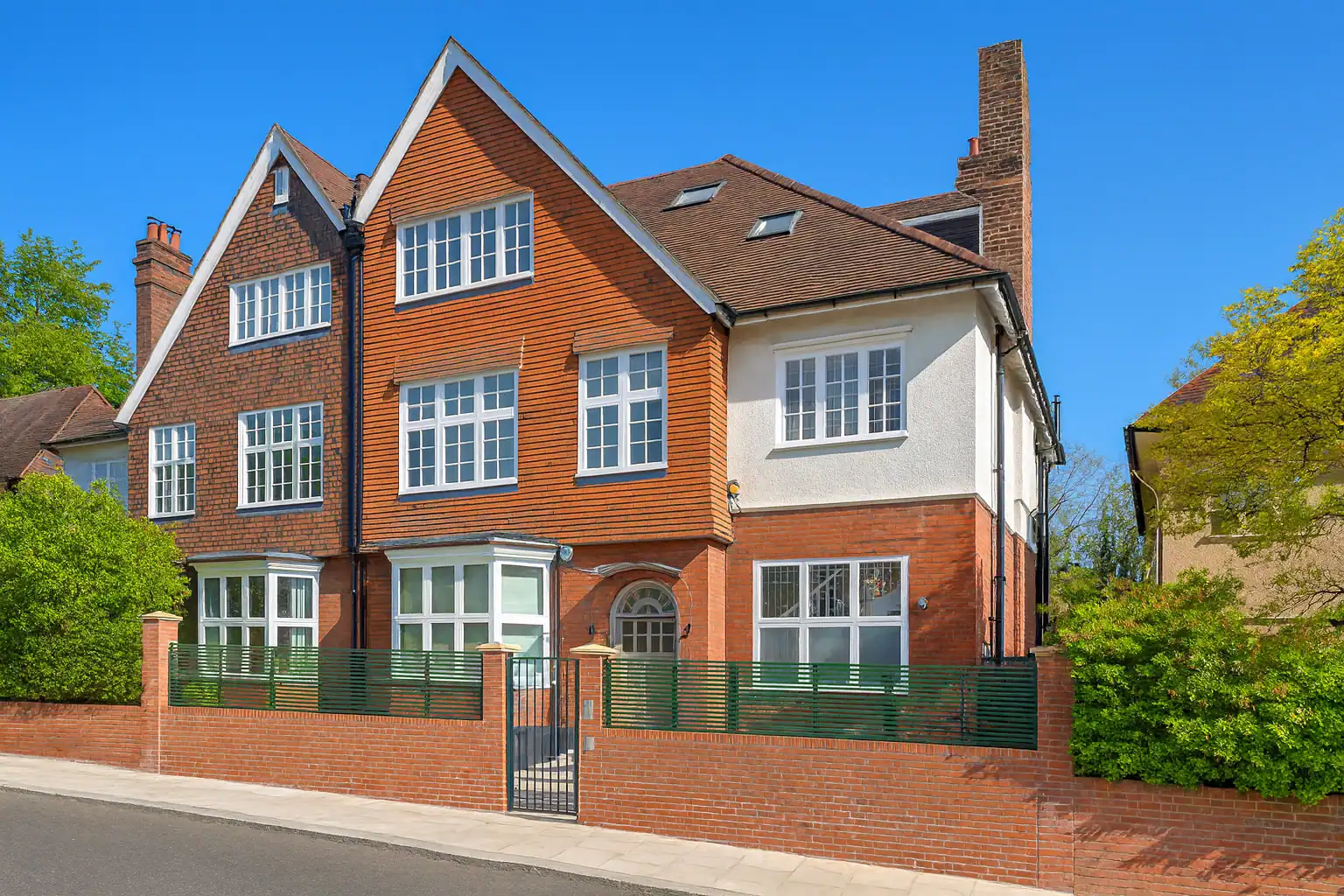
37 Hazlebury Road sits within a Victorian terrace in Fulham. The existing cellar had limited headroom. It needed excavation to create living space that met Building Regulations. Any structural work meant coordination with both neighbours, given Hammersmith and Fulham's basement policies.
Before starting any basement development, it's important to check with your local planning authority whether your basement will need planning permission. West London local authorities have specific requirements for basement conversions. Some boroughs like the Borough of Kensington and Chelsea have Article 4 directions to remove permitted development rights for basement works. These Article 4 directions mean projects that might normally proceed without permission will certainly require planning permission.
West London councils focus on structural stability, subsidence risk, and how basement work affects neighbouring properties. The council requires basement impact assessments for most basement developments in London. These show the works won't harm adjoining structures and aren't contentious with neighbours.
We checked with the local planning authority whether the basement would need planning permission. Structural challenges included underpinning existing foundations, installing temporary works during excavation, designing retaining walls, and calculating loads for party walls.
Under the Party Wall Act 1996, we needed agreements with both neighbours. This meant serving Party Structure Notices for underpinning work and Line of Junction Notices for excavation within 3 metres of neighbouring foundations. We had to agree Party Wall Awards before construction started.
Structural Engineering & Basement Design
We designed a phased underpinning sequence to lower the basement floor safely. This involved mass concrete underpinning in sections, temporary propping of walls during excavation, and a new reinforced concrete slab with waterproof membrane. Structural calculations were verified to BS 5950 and Eurocodes.
The new basement walls were designed as reinforced concrete retaining structures. The construction method statement detailed reinforced concrete walls for waterproofing, a tanking system to BS 8102 standards, drainage including sump and pump, and structural tie-ins to existing party walls.
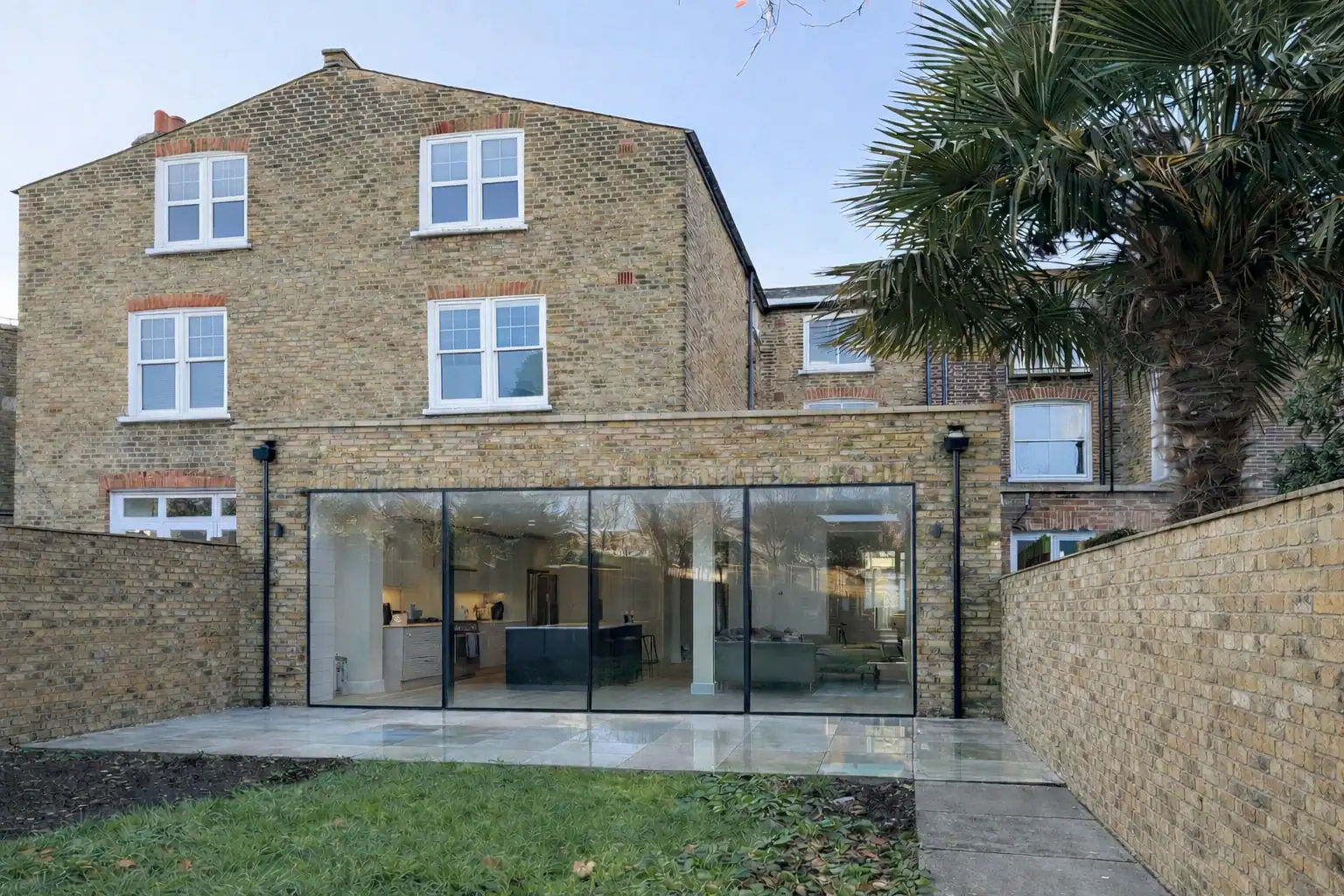
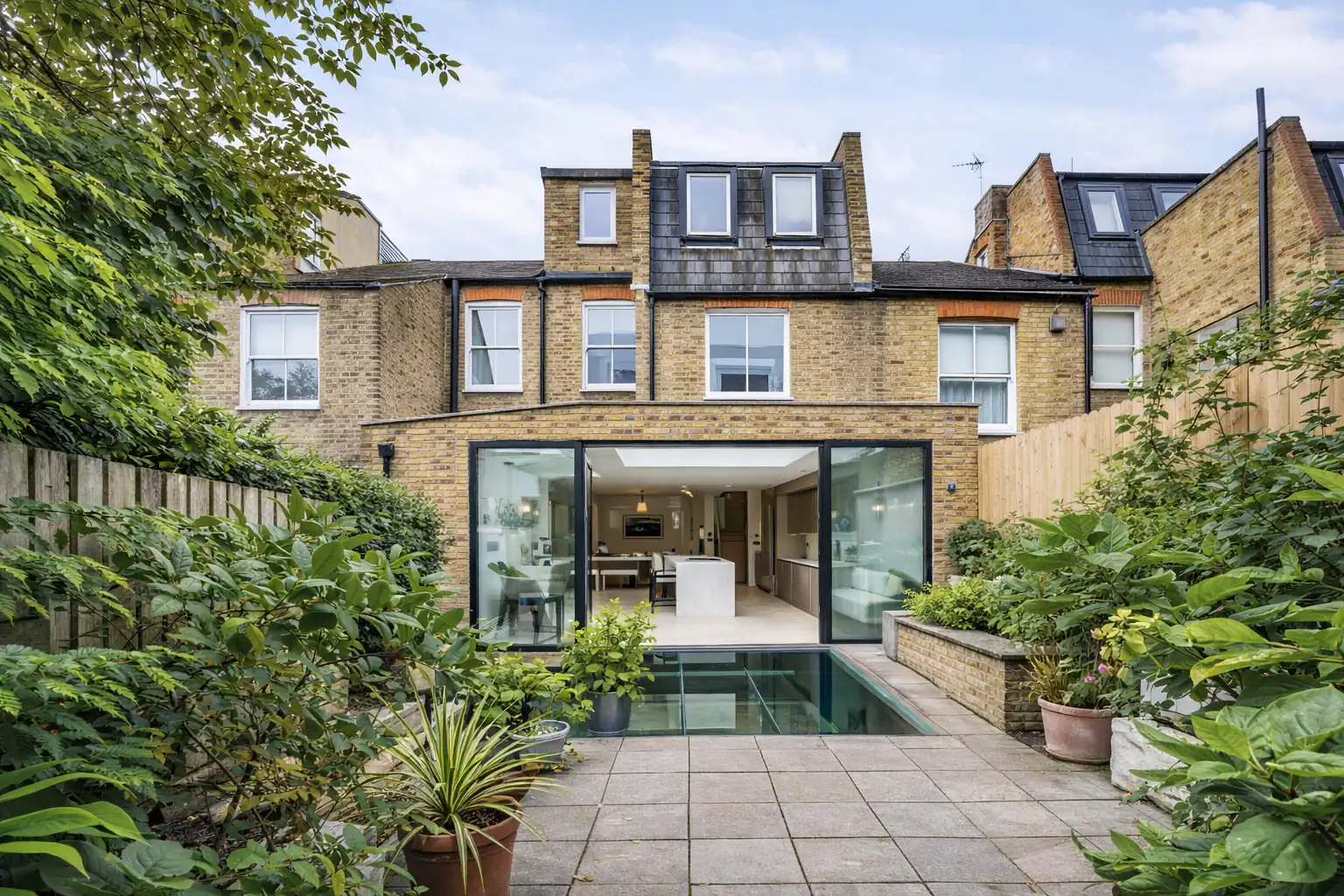
The rear extension and roof alterations meant removing sections of existing structure. We designed steel beams to span new openings. We calculated padstones and bearing requirements. We specified new foundations and detailed connections between new and existing structure.
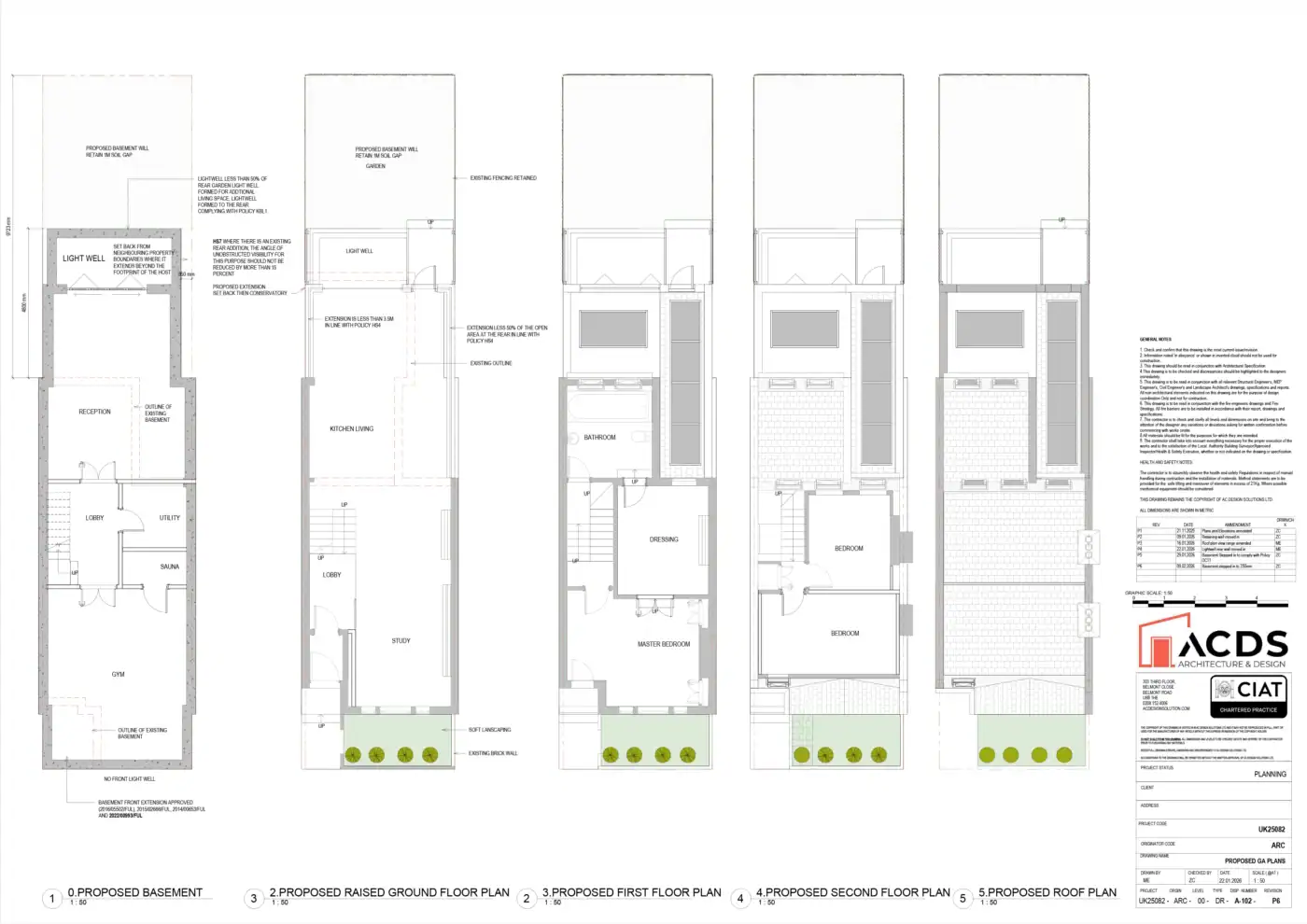
Light wells were added to provide natural ventilation and meet Building Regulations for habitable basement rooms. The lightwells also helped address flood risk concerns raised in supplementary planning documents.
AC Design Solution provides residential structural engineering services for basement conversions, extensions, and roof alterations across London.
Party Wall Coordination
We prepared and served Party Structure Notices for foundation works affecting the party walls. We served Line of Junction Notices for excavation within the 3-metre zone. We provided detailed drawings showing the construction method.
Before works started, we conducted condition surveys of both adjoining properties. We photographically recorded existing cracks, finishes, and structural condition to protect all parties.
Party wall agreements were negotiated with both neighbours. These set out permitted works and methodology, rights of access for inspections, dispute resolution, and protections for neighbouring properties. Both neighbours consented. No disputes arose. Post-construction inspections confirmed no damage to adjoining properties.
Our party wall surveying service ensures smooth neighbour coordination and compliance with the Party Wall Act 1996 for basement developments, extensions, and loft conversions across London.
Building Regulations & Planning Approval
All works met current Building Regulations and planning regulations for basement developments in London. We provided structural calculations for basement, extensions, and roof alterations. We designed fire escape strategy for the new basement room. We specified waterproofing design, ventilation systems for the basement, and drainage strategy addressing flood risk.
Planning a basement development in Fulham requires attention to local planning authority requirements. Our architect team prepared a submission that addressed key policies in the Hammersmith and Fulham Local Plan and supplementary planning documents (SPDs). These particularly relate to basement construction and structural stability.
The basement impact assessment showed that the enlargement wouldn't harm neighbouring properties or cause subsidence. Structural integrity would be maintained through underpinning. The construction method outlined appropriate safeguards during excavation.
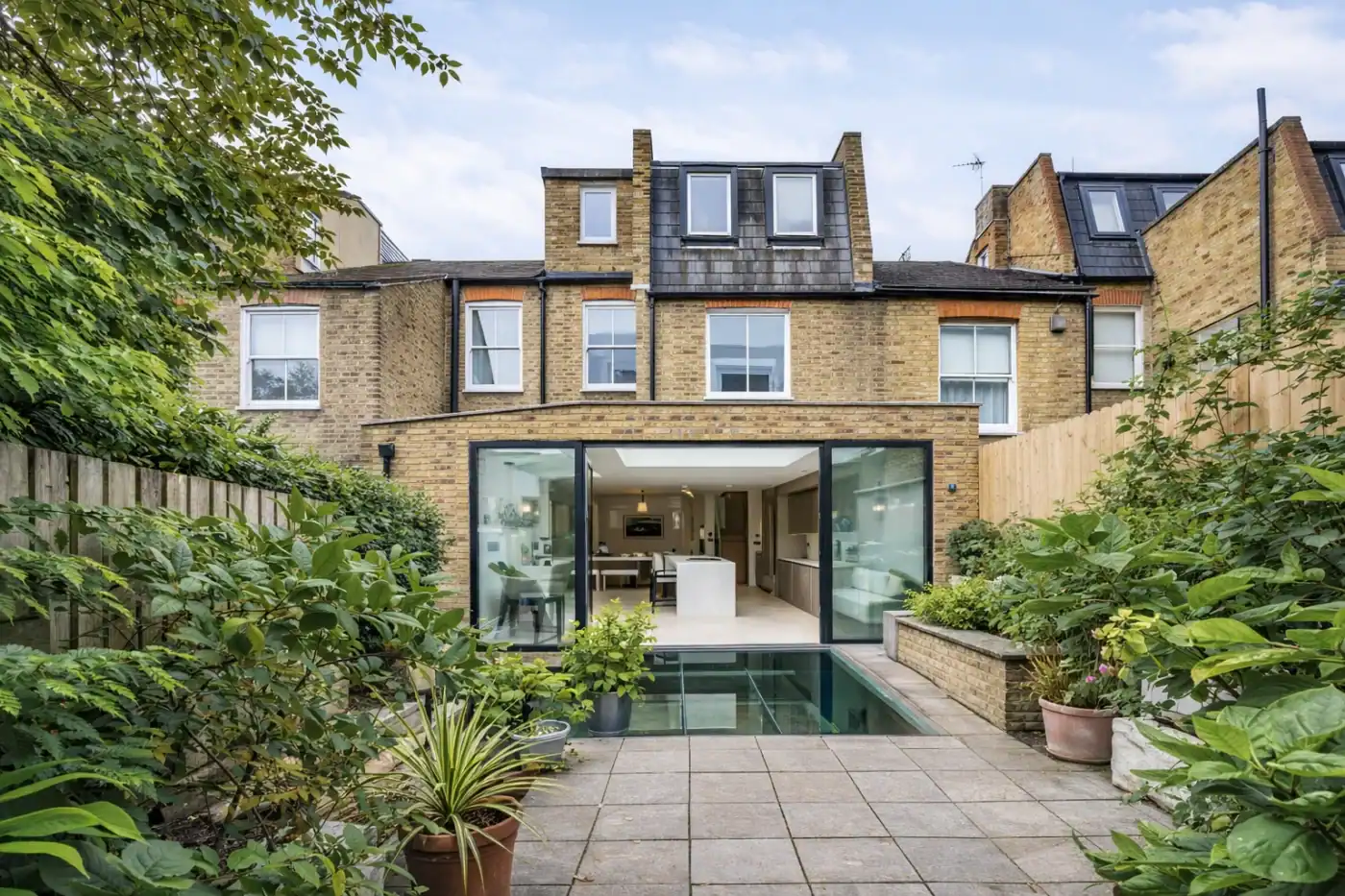
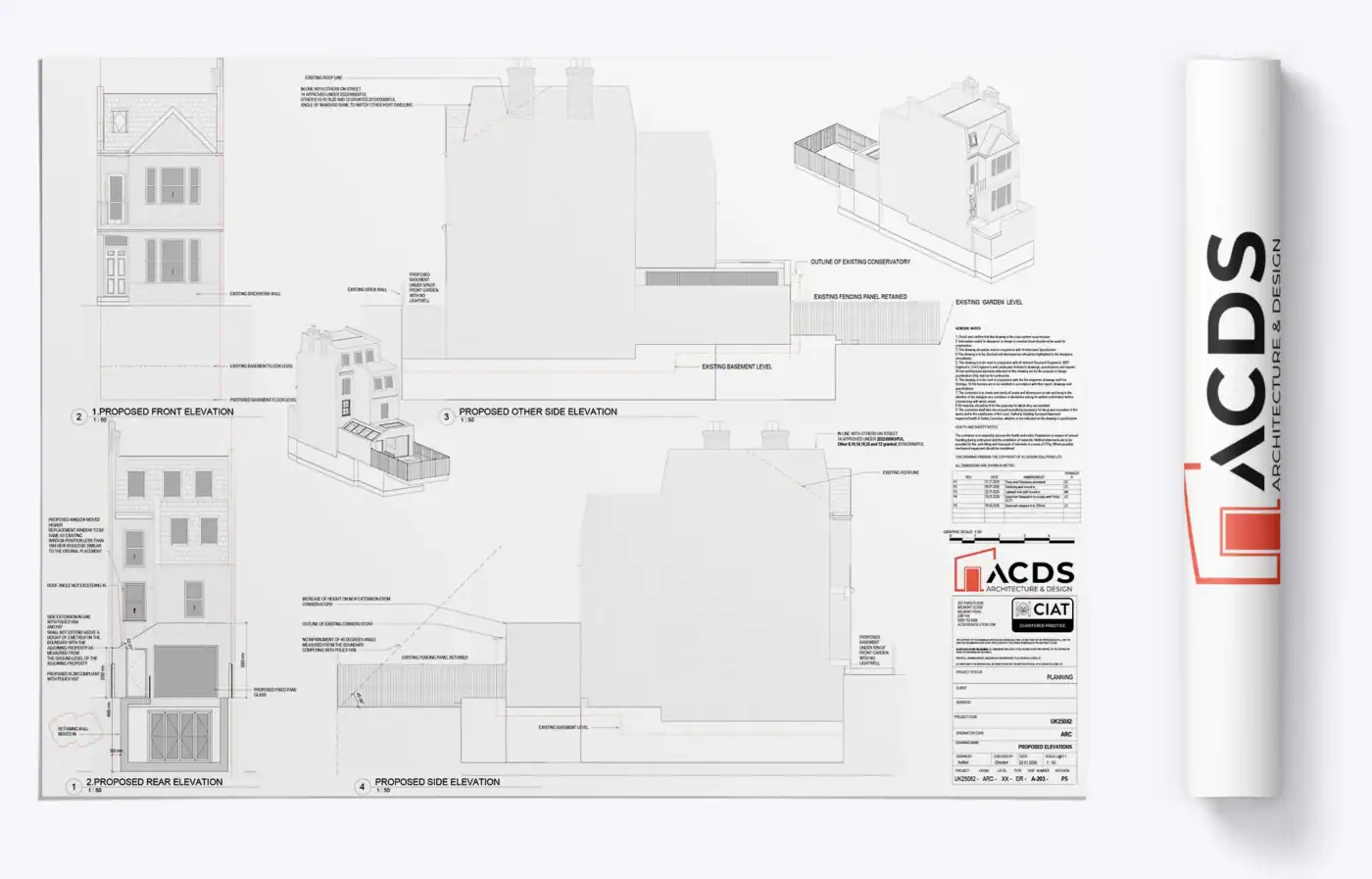
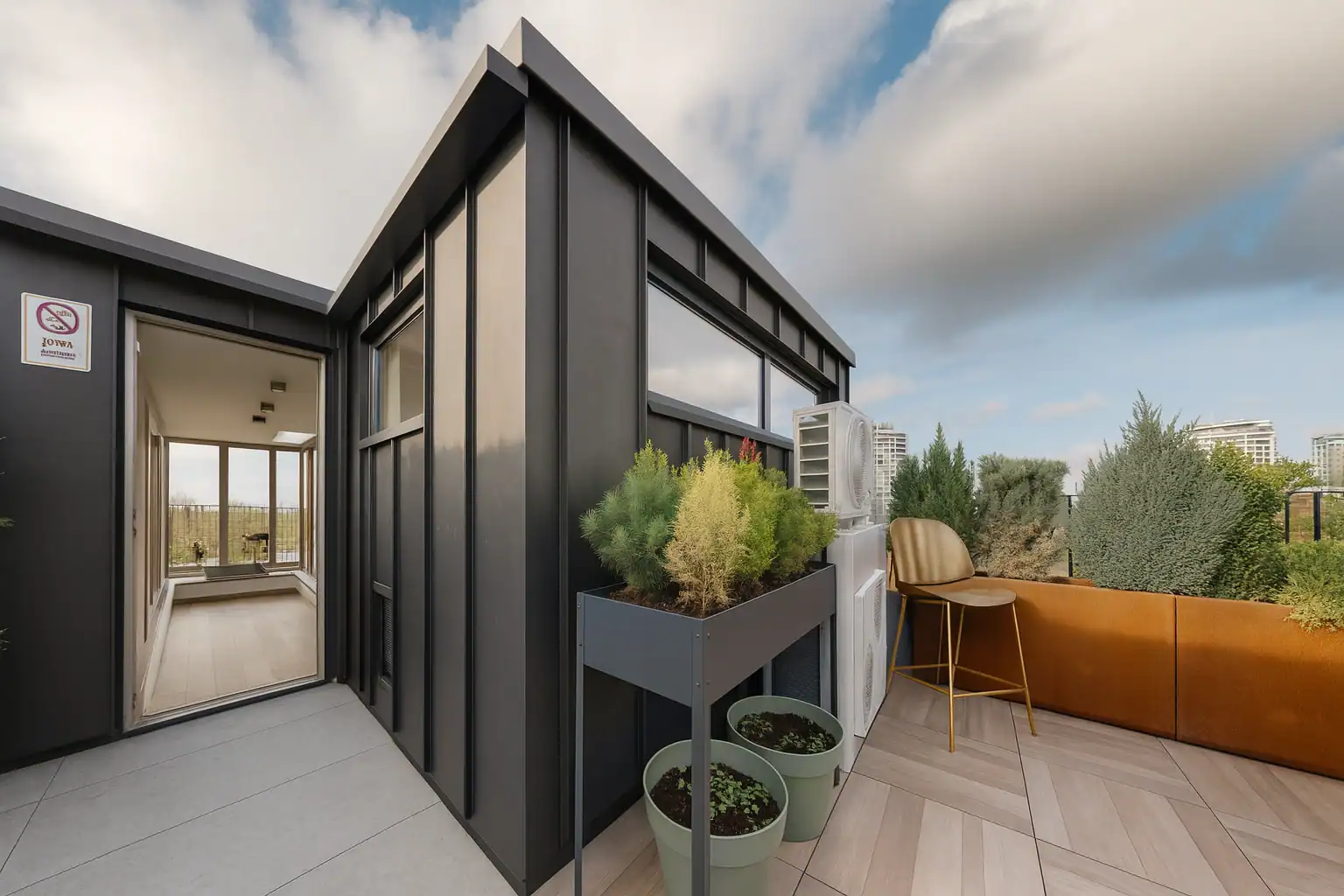
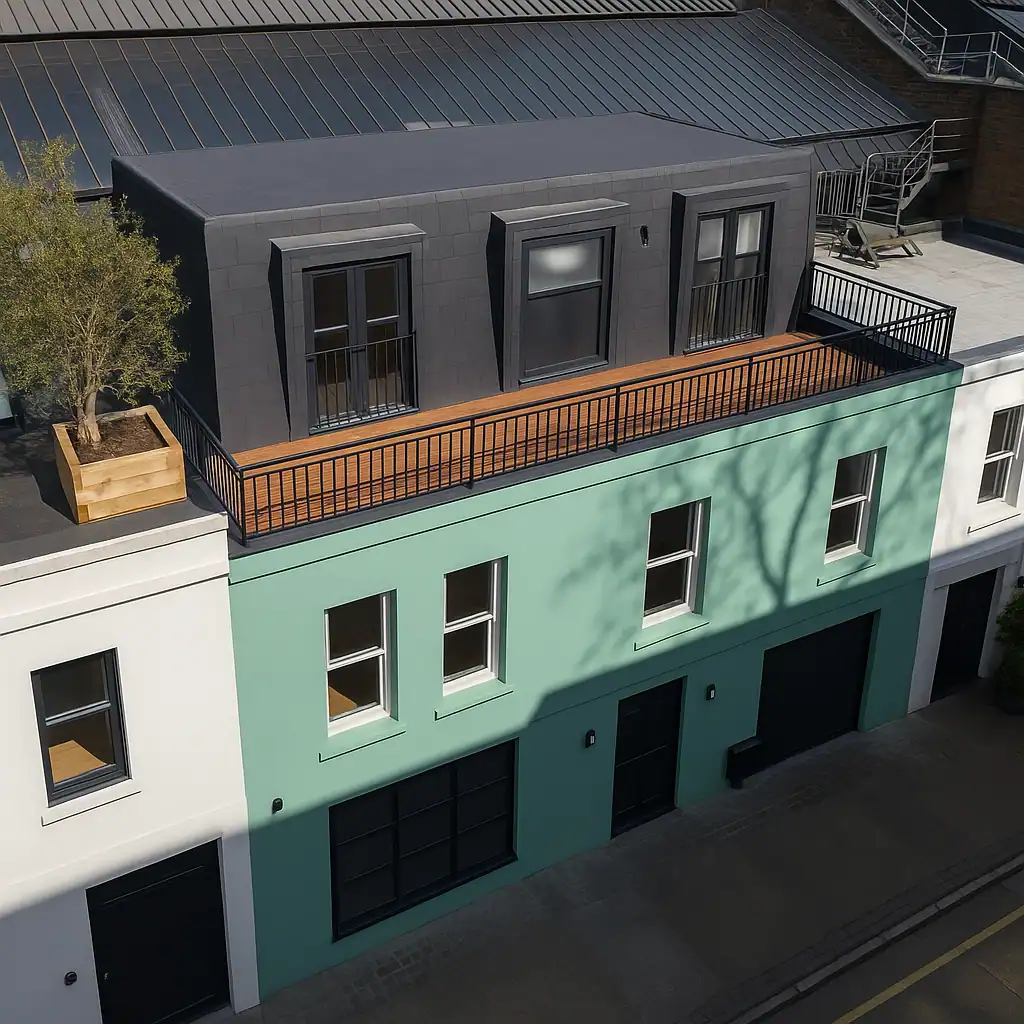
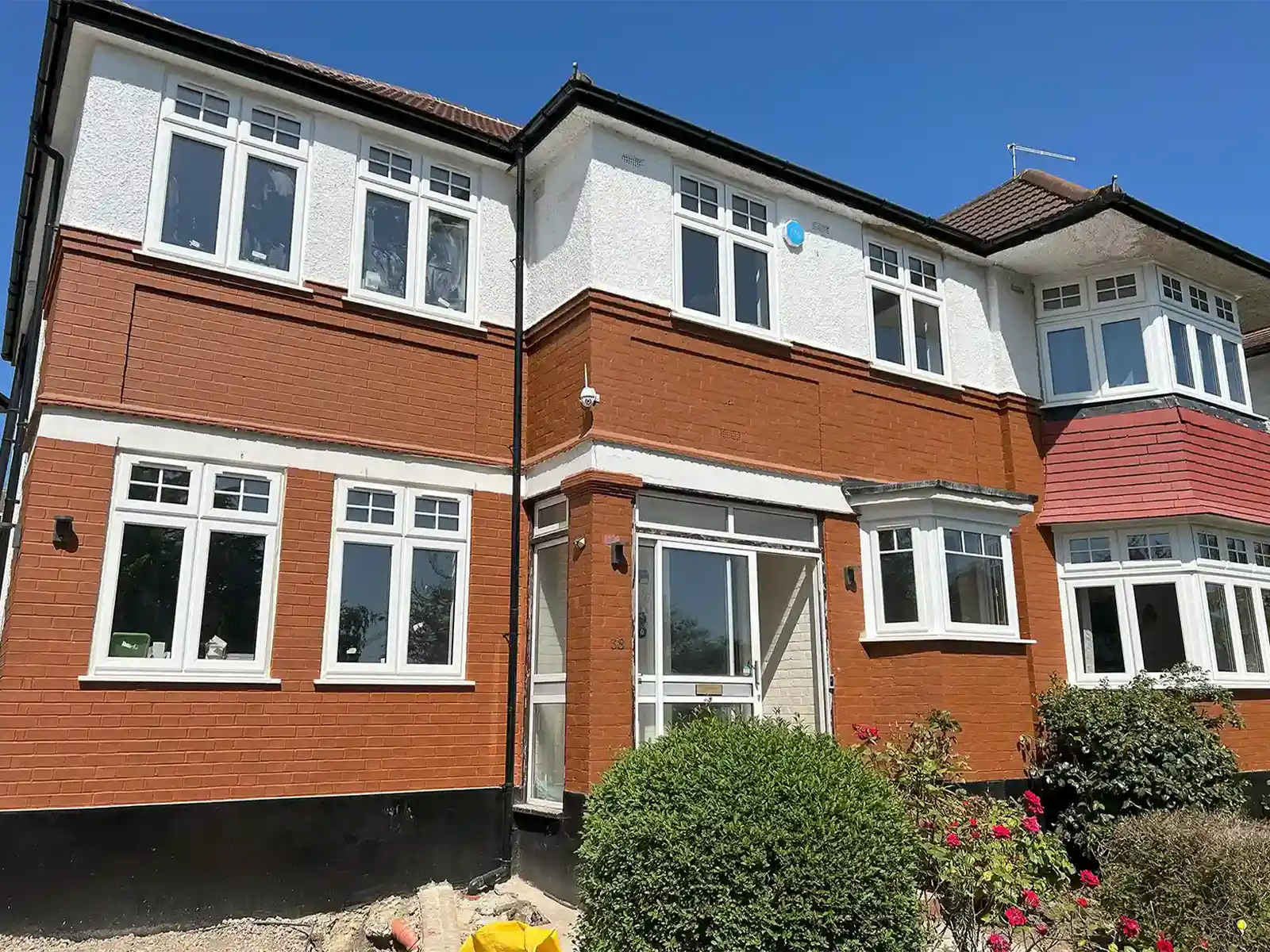
Changes to external appearance needed careful consideration. The front roof extension was designed to match the existing roofline and materials. The light wells were positioned to minimize visual impact. This attention to detail helped achieve successful planning approval.
Supporting information included detailed architectural drawings showing existing and proposed plans, sections, and elevations. We provided the structural methodology statement, drainage strategy, and Design and Access Statement. The building is not listed, which simplified the approval process.
Planning approval was granted by Hammersmith and Fulham Council with no objections from neighbours. The successful planning outcome allowed the client to proceed without delay. It added significant value to your home through the converted basement and extended living space.
AC Design Solution prepares comprehensive building regulation drawings for basement conversions, building regulation drawings for extensions, and building regulation drawings for loft conversions across London, ensuring full compliance with current standards.
Results
Full planning permission was granted by the local planning authority. Building Regulations were approved. Party wall agreements were secured with both neighbours. No disputes arose during the process. The renovation proceeded smoothly from approval to completion.
The project delivered usable basement living space. It provided a modern rear extension with improved natural light. It created expanded roof level accommodation. Everything achieved full compliance with planning regulations and building controls.
The London basement conversion added substantial value to the home. It respected the character of the Victorian terrace. It met all specific requirements set out in the borough's basement policies and supplementary planning documents.
Services Provided
AC Design Solution operates as CIAT Chartered Architectural Technologists and structural engineers across London. For basement development projects requiring planning permission, basement impact assessments, or party wall agreements, we guide clients through the complete process. This runs from initial feasibility to Building Control sign-off.
Our building regulation drawings service covers basement conversions, extensions, and loft conversions. We provide residential structural engineering for underpinning, retaining walls, and load-bearing alterations. Our party wall surveying ensures compliance with the Party Wall Act 1996.
Whether your basement needs planning permission, converting an existing cellar, or planning a basement development with lightwells and ventilation, we handle applications across London. We have particular expertise in West London boroughs including Fulham, the Borough of Kensington and Chelsea, and surrounding areas. Our architect team understands local authority requirements, Article 4 directions to remove permitted development rights, and supplementary planning documents that affect basement developments.
We check with your local planning authority to determine whether your basement will certainly require planning permission. We deliver successful planning outcomes for basement renovations that add value to your home while meeting all specific requirements.
Read less
▲